

Best Coffee Blends in India
Dial espresso at 92°C with a 1:2 yield and adjust grind for bitterness. Robusta-heavy blends run hotter and more bitter than pure Arabica.
What this bean type is
At a Glance
- Make-up
- Arabica + Robusta, or multi-origin
- Body
- Medium to full
- Acidity
- Balanced, lower
- Best for
- Espresso, filter coffee, milk drinks
Typical notes
Blending is central to Indian coffee culture and the ratios tell a story. An 80:20 Arabica–Robusta blend keeps Arabica's aromatics and sweetness but adds Robusta's body and crema, a good all-rounder for espresso and filter. At 70:30, the balance shifts: more body, more caffeine, and better resistance to milk. 60:40 and 50:50 are traditional filter coffee territory: robust, strong, designed to be diluted with hot milk. Below 50% Arabica (Robusta-dominant blends), you're in classic South Indian filter coffee and commercial espresso blend territory, with maximum body and strength, less subtlety. Roasters design their house blend ratio around the intended preparation: espresso blends lean higher-Arabica for aroma; filter coffee blends lean Robusta for strength under milk and chicory.
Bean types at a glance
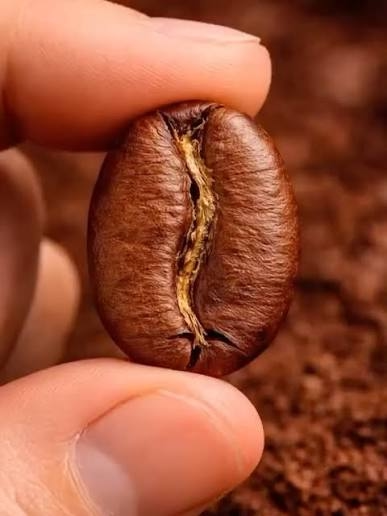
Arabica
Flatter, oval bean with a curved center crease.
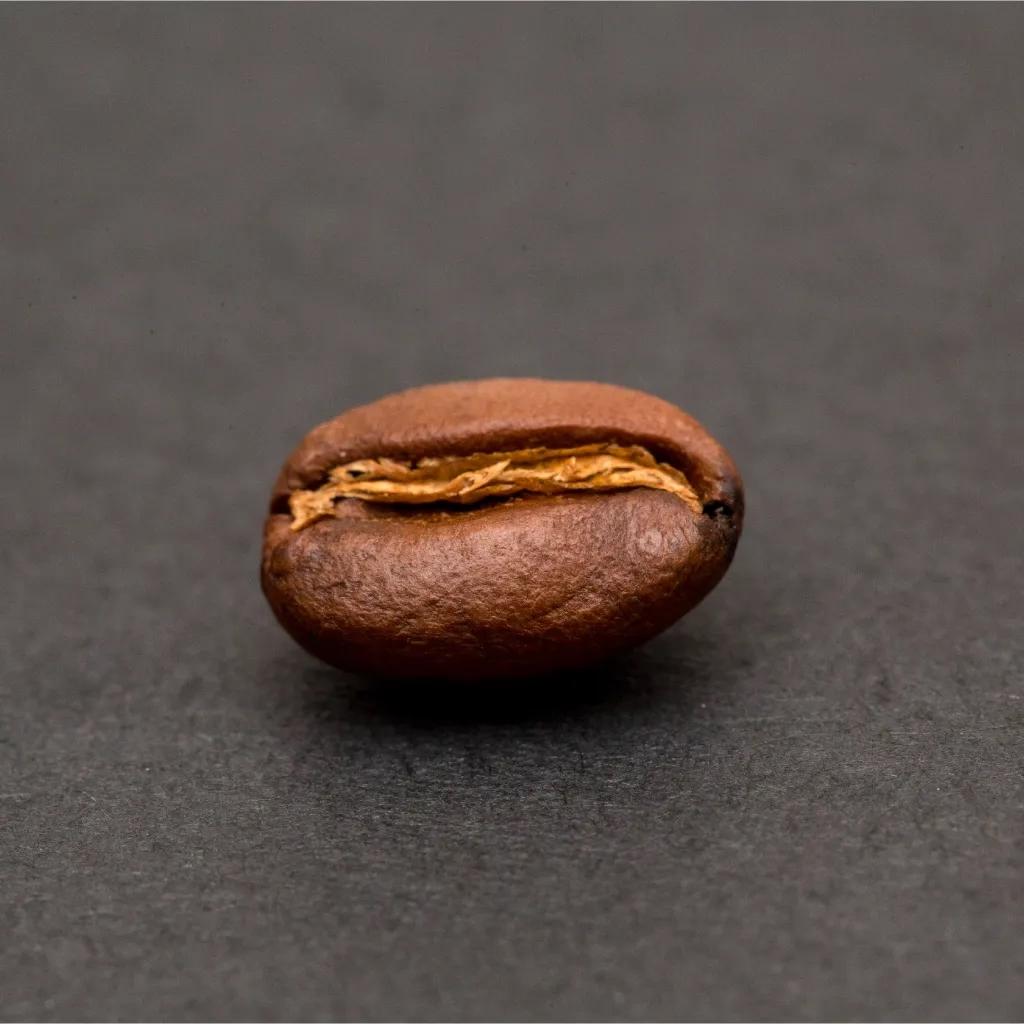
Robusta
Rounder, smaller bean with a straight crease.
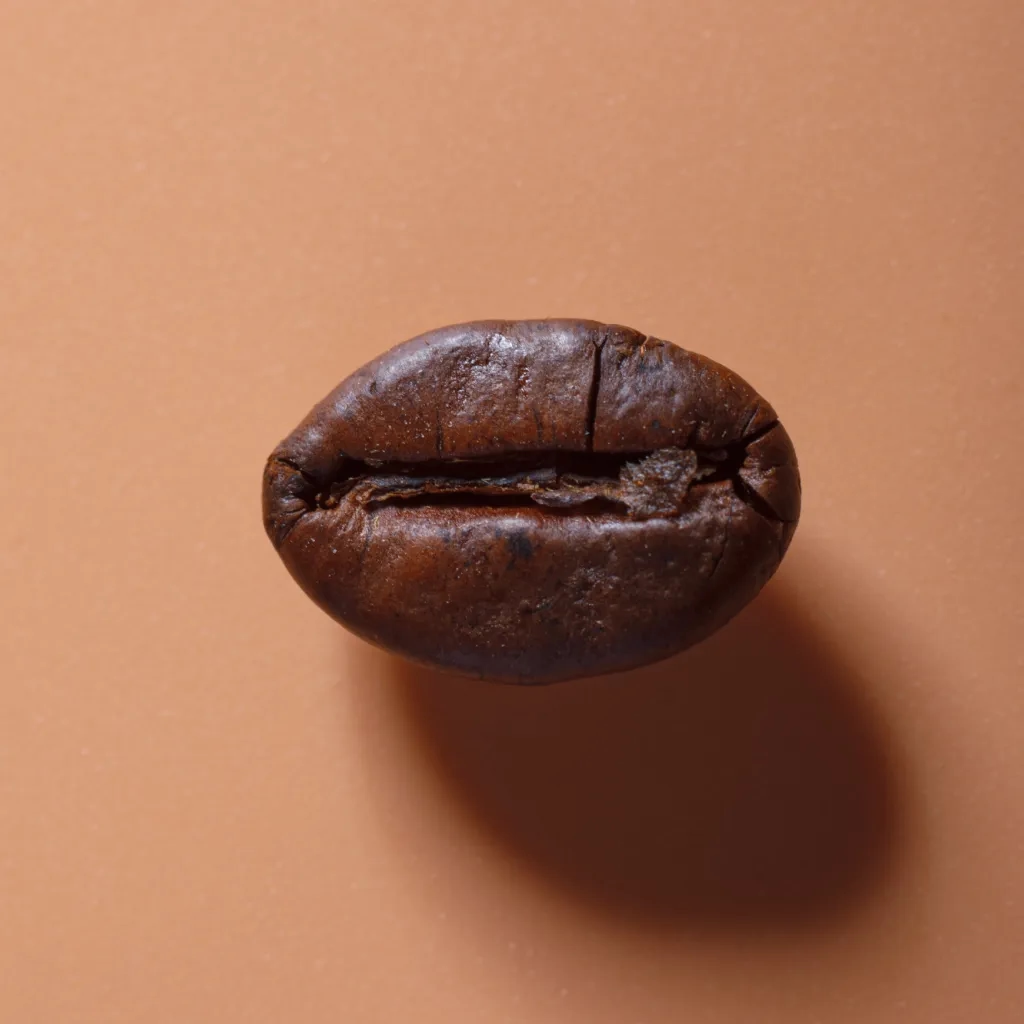
Liberica
Large, asymmetric almond-shaped bean.
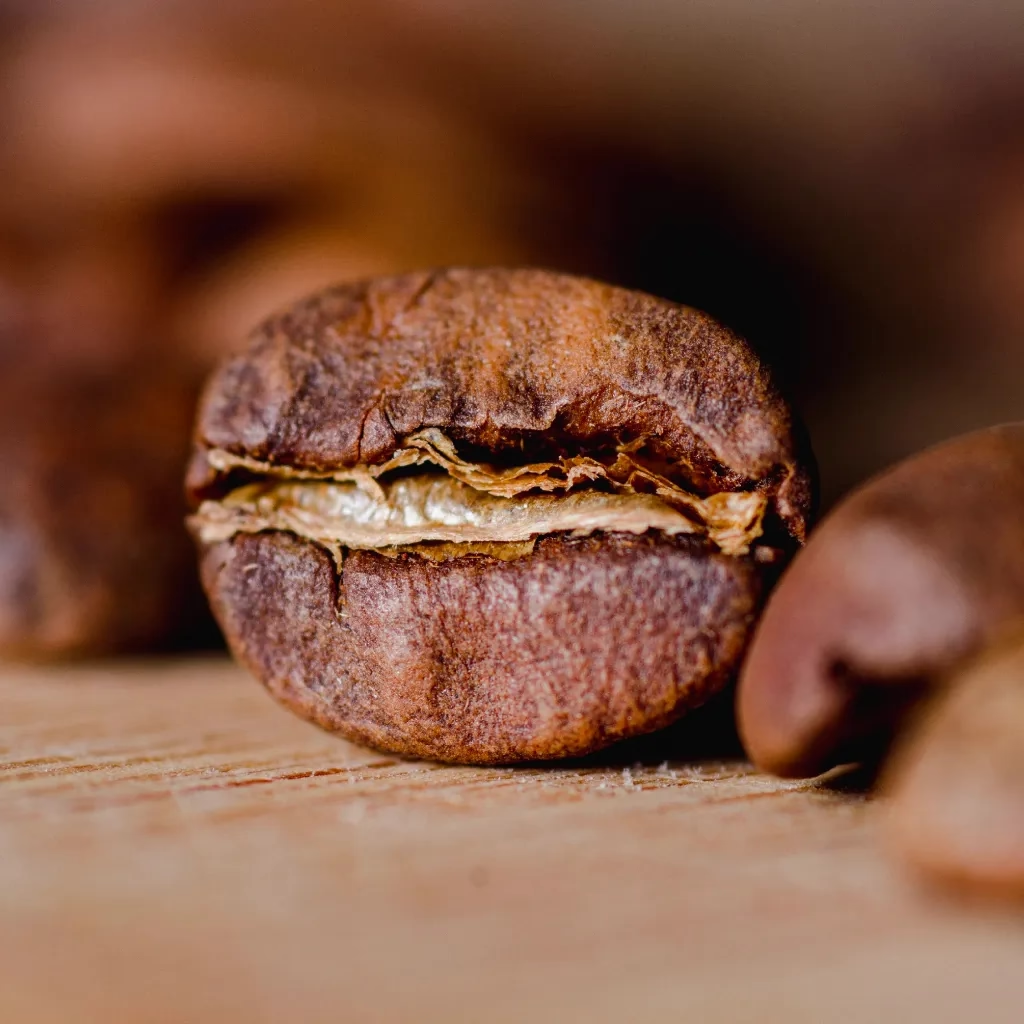
Excelsa
Smaller Liberica-family bean, teardrop shaped.
Also browse
Indian Coffee Context
Blends are how most Indians actually drink coffee. The South Indian filter coffee tradition is built on Arabica–Robusta blends (often with chicory), and espresso blends dominate café menus from Bengaluru to Mumbai. Where single origins celebrate the character of one estate, blends prioritise balance, body, and repeatability: a consistent cup the roaster can deliver every batch regardless of seasonal variation in green coffee supply. Many Indian roasters maintain a signature house blend for years, adjusting component coffees behind the scenes while keeping the cup profile stable. This engineering is its own craft, distinct from single-origin curation.
Brew Guidance
Recommended
Blends are built for body and consistency, so they shine under pressure and with milk. Espresso: pull at 90–93°C with a fine grind and 1:2 yield ratio, starting with 18g in, 36g out in 25–30 seconds. Robusta-forward blends produce thicker crema but can run bitter, so dial slightly coarser if bitterness dominates. Moka Pot: medium-fine grind, fill the basket level, low-medium heat, which yields a strong, concentrated cup in 4–5 minutes. South Indian filter: fine grind, pack the upper chamber loosely, pour boiled water, and let it drip 10–15 minutes. French Press: coarse grind, 92°C, 4 minutes, since the metal filter preserves the full body of blends with Robusta. Higher-Arabica blends (80:20) also work on pour-over if you want a cleaner cup with some body.
Roast Pairing
Best Match
Also Works
Avoid: Light roast blends are uncommon and often awkward. Robusta components taste grainy and astringent when under-roasted, and the blend was designed for body and balance, not bright acidity.
Common Mistakes
Compare Bean Types
Blends vs single origin is philosophy, not quality. Single origins show you what one place tastes like in one season, distinctive but variable. Blends show you what a roaster can engineer: balanced, repeatable, and optimised for a specific brew method. The best Indian blends are carefully crafted for espresso crema or filter coffee strength; the best single origins are curated for clarity and character. Add chicory to an Arabica–Robusta blend and it becomes the classic South Indian filter coffee mix.
Top blend picks
Check the Arabica:Robusta ratio. 80:20 drinks cleaner; 50:50 and below punches through milk and sugar.
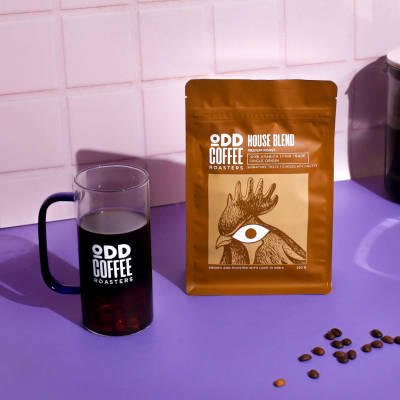
House Blend 60:40 Medium Roast Beans
Odd Coffee Roasters
From ₹539 / 250g


Filter Coffee Blend
Beachville Coffee Roasters
From ₹700 / 250g

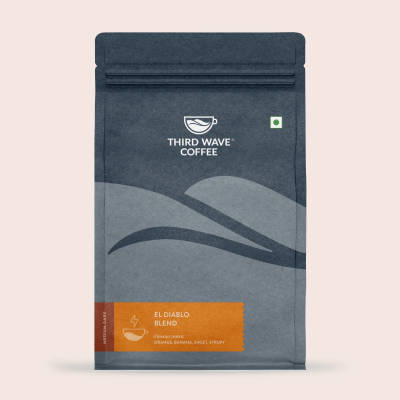
El Diablo
Third Wave Coffee Roasters
From ₹700 / 250g


Catalogue last refreshed .
Espresso blend guide
How Arabica–Robusta ratios affect crema, body, and flavour in espresso and filter coffee.
Read the Context.
The background behind what you are tasting, from our writing on Indian coffee.
About coffee blends
Why blends exist and where they shine.
Explore More.
Discover other ways to find your perfect coffee.
Top single-origin picks
Traceable single-estate and single-region lots, by rating.
Top Arabica picks
High-grown Indian Arabica lots, sorted by community rating.
Top Robusta picks
Indian Robusta lots, from washed fine robusta to filter staples.
Top chicory mix picks
Coffee–chicory blends and filter coffee mixes, by rating.
Built for the *shot*
Crema, body, and balance that hold up under nine bars of pressure.