

Top Dark Roast Coffee in India
Bold, full-bodied coffees with rich oils and intense flavors.
What this roast means
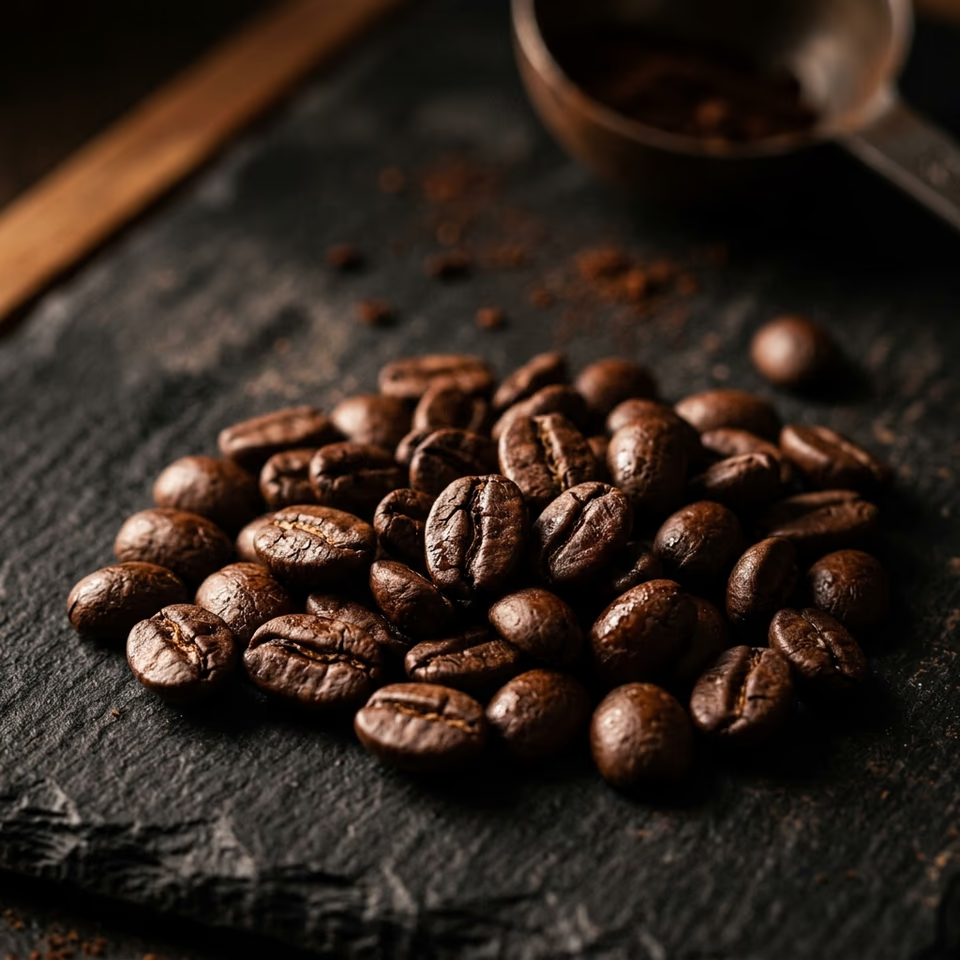
Look & Feel
Visual Assessment
Colour
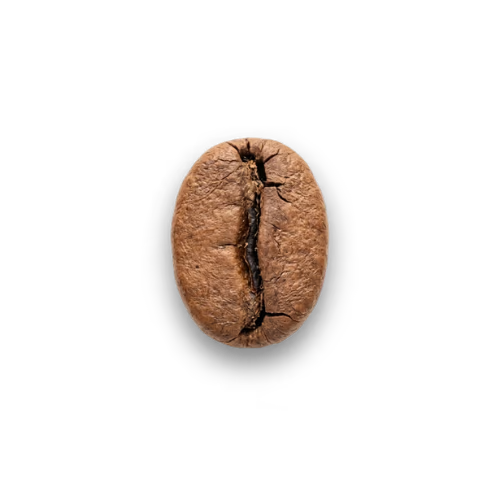
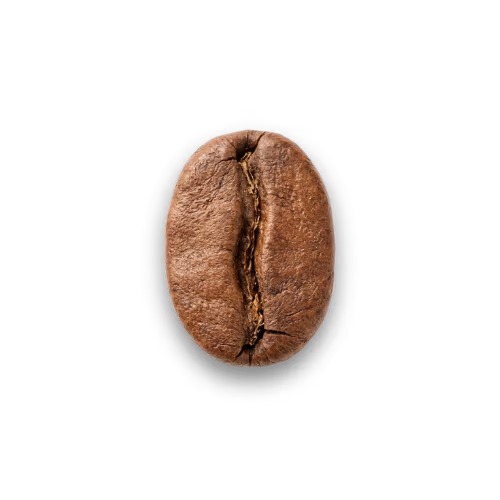
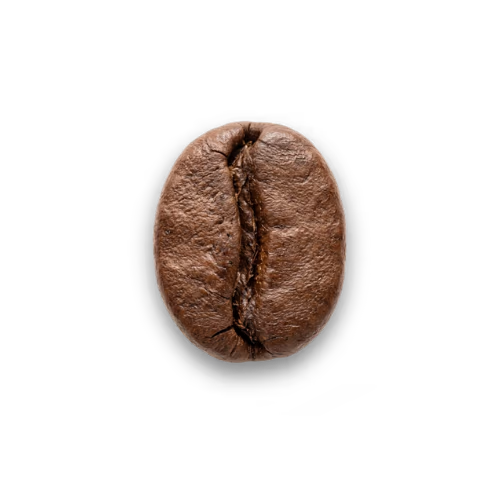
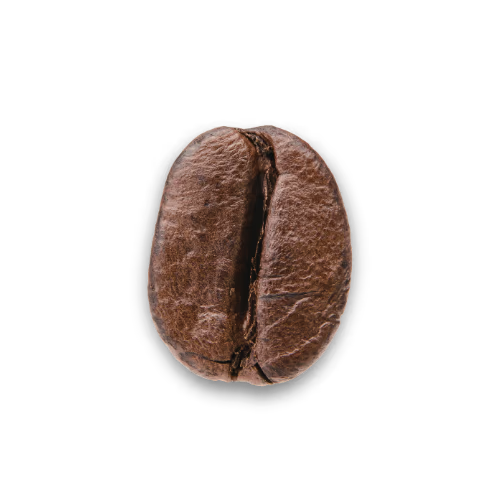
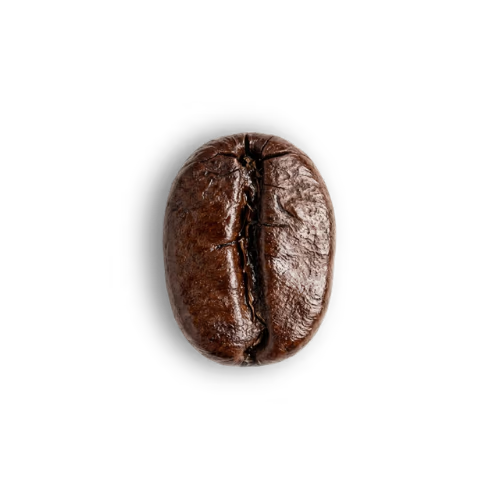
Deep brown to near-black, with visible oil coating the surface
Density
Significantly lighter and more porous than green bean
On the grind
Very dark powder, oily to touch; clumps more than lighter roasts
Agtron range
Agtron below 30
Deep, dark, and low-acid
French Press and espresso methods really bring out the best in dark roasts.
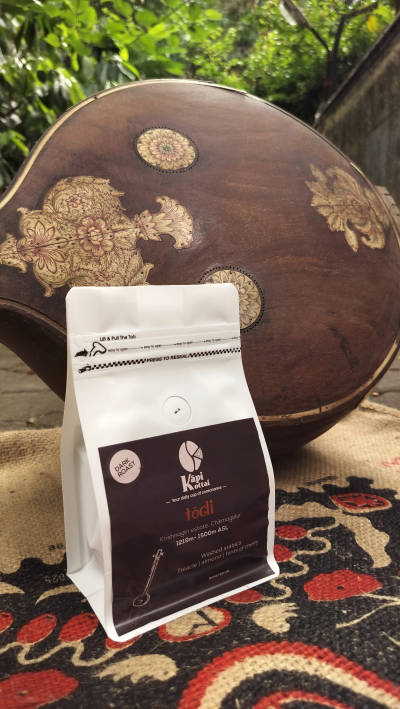


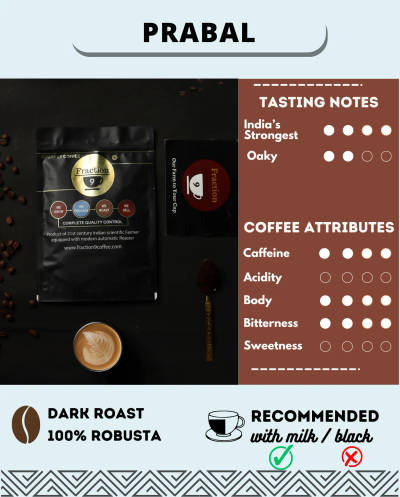
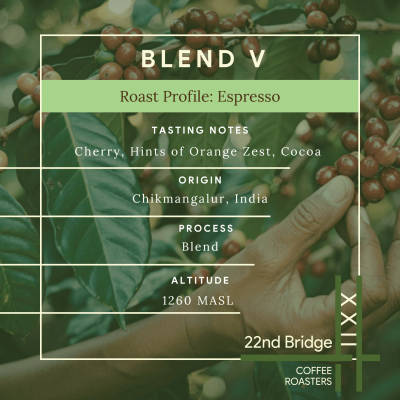
![Badnekhan Estate SLN 13 [Washed] [Espresso Roast] by Quick Brown Fox Coffee Roasters](https://ik.imagekit.io/indiancoffeebeans/tr:w-400,q-70/products/quick-brown-fox-coffee-roasters/quick-brown-fox-coffee-roasters-badnekhan-estate-sl13-washed-espresso-roast-1)

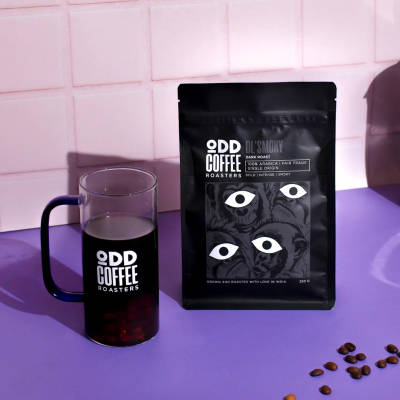


Catalogue last refreshed .
Brew like a pro
Ultimate French Press
by James Hoffmann
Surface skimming and extended steeping for cleaner extraction
Traditional South Indian Filter
by Traditional Origin
Slow dripping decoction, traditionally frothed using a 'dabarah' and tumbler
Blue Bottle Traditional French Press
by Blue Bottle Coffee
Straightforward saturation and traditional plunging for max heavy body
Use lower water temperatures (87–90°C) to avoid bitterness and extract smooth flavors.
Brewing Dark Roast Coffee
Learn techniques for extracting smooth, rich flavors from dark roast coffees.
Where you are on the scale
Read the Context.
The background behind what you are tasting, from our writing on Indian coffee.
Understanding Dark Roast Coffee
What dark roast tastes like today, and how to brew it smooth.
Explore More.
Discover other ways to find your perfect coffee.
Bold without the *char*
Richer, rounder profiles for espresso, French Press, and milk drinks.
Full-bodied for the *French Press*
Heavy-bodied, oily, low-acid lots built for a long immersion.
Decoction-ready *filter* blends
Robusta-arabica blends and traditional dark roasts for a proper decoction.
₹500–₹1000
The ₹500–₹1000 tier is where Indian specialty coffee beans get interesting: Chikmagalur and Baba Budangiri estates, SLN 795 and SLN 9 lots, and processing that turns experimental. Most of the catalogue's standout single origins live in this band.