


Raxidi Lobo Estate
cherries, mosambi +3
Anaerobic₹900 / 250g
5.0 (3 ratings)
The ₹500–₹1000 tier is where Indian specialty whole-bean and ground coffee gets interesting: Chikmagalur and Baba Budangiri estates, SLN 795 and SLN 9 lots, and processing that turns experimental. Most of the catalogue's standout single origins live in this band.
The range where naturals, honeys, and experimental ferments start showing up in force.
These coffees often feature natural, honey, or anaerobic processing for distinctive flavours.
cherries, mosambi +3
Anaerobic₹900 / 250g
5.0 (3 ratings)

brown sugar, honey +1
Washed₹895 / 250g
5.0 (3 ratings)

butter biscuit, milk chocolate +3
Monsooned₹500 / 250g
5.0 (3 ratings)

lychee, rosewater +2
Anaerobic₹845 / 250g
4.8 (4 ratings)

citrus, dates +2
Washed₹940 / 250g
4.8 (4 ratings)

jasmine, sweet lime +1
Anaerobic₹999 / 250g
4.5 (6 ratings)

bakers chocolate, cedar +1
Double Fermented₹670 / 250g
4.5 (4 ratings)
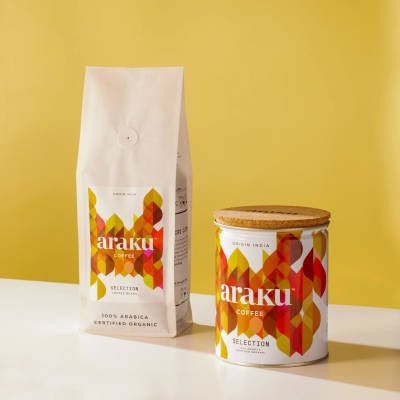
caramel, dark chocolate +2
Other₹760 / 250g
4.4 (5 ratings)

bitter sweet almonds, bittersweet chocolate +6
Washed₹649 / 250g
4.3 (3 ratings)

bitter sweet, cocoa +1
Other₹650 / 250g
4.3 (3 ratings)

chocolate, citrus +3
₹649 / 250g
4.0 (4 ratings)

caramel, chocolatey +2
Washed₹700 / 250g
4.0 (3 ratings)
This is the band where the label starts telling you more. Expect high-altitude single-estate lots with the variety named (SLN 795, SLN 9, Chandragiri), processing beyond washed and natural (honey, anaerobic natural, extended fermentation), and limited harvest lots that only appear seasonally. Chikmagalur and Baba Budangiri estates carry most of it, with Baarbara, Ratnagiri, and Harley the names you see most. The extra money buys processing complexity and traceability, not a bigger bag of the same thing.
At this price, you should know exactly what process was used, not just 'natural' but ideally the fermentation approach, drying method, and duration. Red honey, anaerobic natural, extended washed fermentation: these details tell you what you're buying.
SLN 795, SLN 9, Chandragiri, and Cauvery are Indian arabica varieties with distinct cup profiles. Lots that specify varietal are usually better sourced and more transparently produced. If the roaster knows the variety, they know the producer.
Two roasters might both carry a Chikmagalur natural, so compare their tasting notes side by side on ICB before buying. Community ratings and reviews give you actual buyer experience rather than marketing copy.
₹500–₹700 is the everyday tier: clean washed and natural single origins from established estates. ₹700–₹1000 is where honey, anaerobic, named-varietal microlots and limited harvest lots cluster. Both halves are in this catalogue.
See All Coffees opens this band already sorted by community rating. Filter it to your brew method and roast level to shortlist before browsing the full catalogue.
Roasts span the whole spectrum here, with medium the most common, followed by medium-dark and light. Roasters producing high-quality lots often roast lighter to preserve the processing and terroir investment.
Washed lots lead by count, followed by natural, but this is also where experimental processing concentrates: anaerobic, honey, and double-fermented lots are far more common here than under ₹500. These processes add cost and complexity, and producers price accordingly. What each one tastes like: washed gives a clean cup — citrus, floral notes, clarity; natural runs fruit-forward — mango, berry, heavy sweetness; honey lands between them — caramel, rounded mouthfeel, balanced acidity; anaerobic goes wine-like — intense fruit and exotic aromatics. In an anaerobic lot the coffee ferments in a sealed, oxygen-restricted tank, typically for 24–72 hours, before drying, so the cup shifts with fermentation length and how the vessel is managed.
Catalogue last refreshed .
Look for unique processing (natural, honey, anaerobic) and transparent farm or estate names.
Limited lots often land in this band, so compare tasting notes across roasters before you commit.
Check freshness and brew recipes on the label. Premium beans reward careful grinding and water temperature.
Keep the beans airtight and out of the light, and brew them fresh. Provenance this specific earns the care.
Optimize your brewing to get the most from premium coffees.
The background behind what you are tasting, from our writing on Indian coffee.
Discover other ways to find your perfect coffee.
Lots where the fruit stayed on the bean longer for intense sweetness and complexity.
Profiles between washed and natural with signature sweetness.
Bright, acidic, and complex coffees roasted to preserve origin characteristics.
Good Indian specialty coffee under ₹500 is more common than the price suggests: Coorg and Chikmagalur daily drinkers from Baarbara, Thogarihunkal, Mercara Gold, and Malakodu. Every one is community-rated and normalized to 250g, so you can compare honestly before you buy. Everything here is specialty ground and whole-bean coffee, not instant.
Find the best coffee under ₹1000 in India, from Coorg and Chikmagalur daily drinkers through to high-altitude Baarbara and Ratnagiri single-estate lots. Every coffee here is community-rated and price-normalized to 250g, so you can compare like for like before you buy.
Explore the best premium coffee in India, above ₹1000 per 250g, where Ratnagiri, Attikan, and Kerehaklu send competition-grade microlots and rarities like Geisha, Bourbon, and Caturra. Every coffee here is community-rated and price-normalized to 250g, so even at the high end you can compare like for like.
What the extra spend actually buys you at this tier.