

Best Anaerobic Process in India
Fermentation in controlled low-oxygen environments amplifies fruit, spice, and fermentation character.
How this process works
From Cherry to Cup
- 01
Seal in tanks
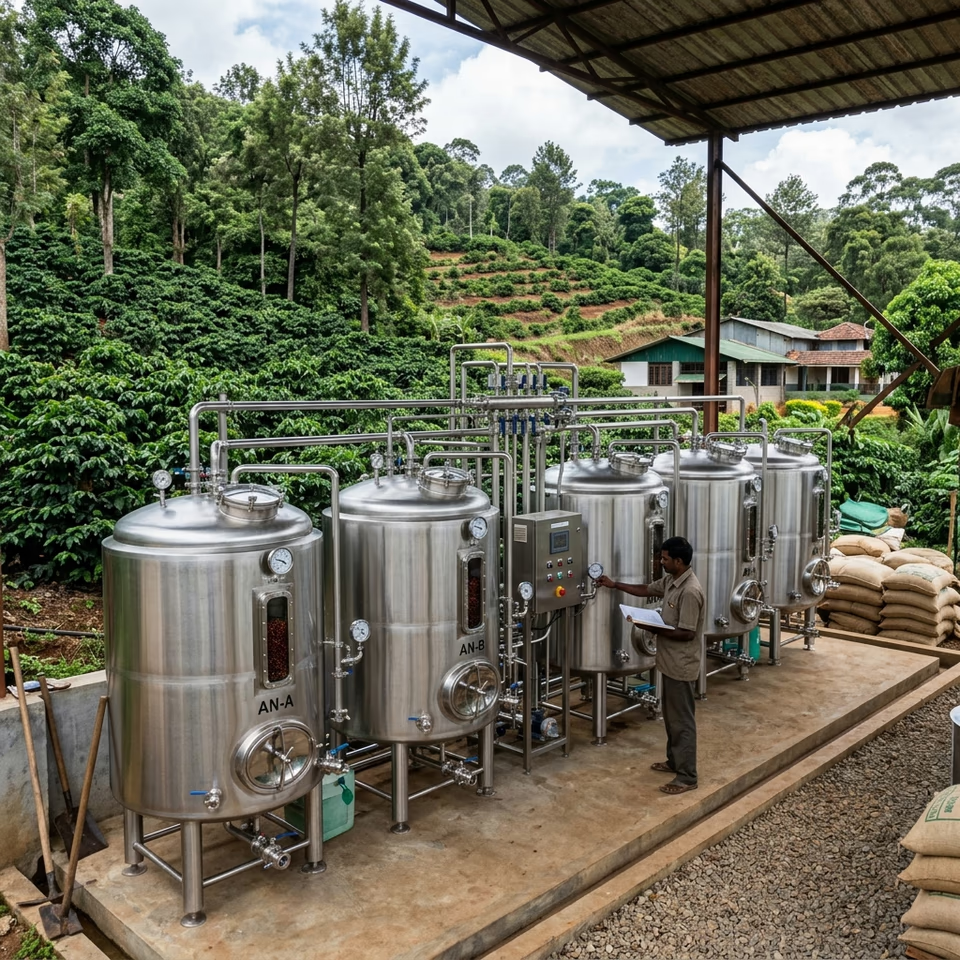
Whole cherries or pulped beans are placed in sealed, airtight tanks of stainless steel or food-grade plastic. CO2 produced by the fermenting fruit purges oxygen from the tank, creating an anaerobic (oxygen-free) environment.
- 02
Controlled fermentation
Without oxygen, different microbial populations take over fermentation, producing lactic acid and specific aromatic compounds that don't develop in open-air fermentation. Fermentation time, temperature, and pressure are monitored closely. Duration ranges from 24 to 200+ hours depending on the producer's target profile.
- 03
Dry and mill
After fermentation, cherries or beans are dried, either on raised beds (if whole cherry anaerobic) or patio-dried (if pulped). Processing then follows either natural or washed steps to complete the lot.
In the cup
Flavour Profile
Typical notes
Indian anaerobic coffees are still emerging. Most come from progressive estates in Chikmagalur, Coorg, and Sakleshpur, among them Ratnagiri, Melkodige, Salawara, and Kalyancool, all experimenting with fermentation. The best Indian anaerobics show tropical fruit (mango, pineapple, passionfruit), complex spice notes, and a distinctive funkiness that polarises opinion. They tend toward wine-like profiles rather than the cleaner citrus anaerobics you get from other origins. Some Indian producers are combining anaerobic fermentation with natural drying (anaerobic natural) for maximum intensity, and these are among the most experimental and highest-priced lots in the ICB catalogue.
Process comparison
Anaerobic vs natural: more controlled fermentation, so the flavour is intense but usually cleaner and more intentional than an over-fermented natural. Anaerobic vs washed: far more fermentation character, heavier body, lower clarity. It isn't really a comparison; these are fundamentally different cups.
Indian Specialty Context
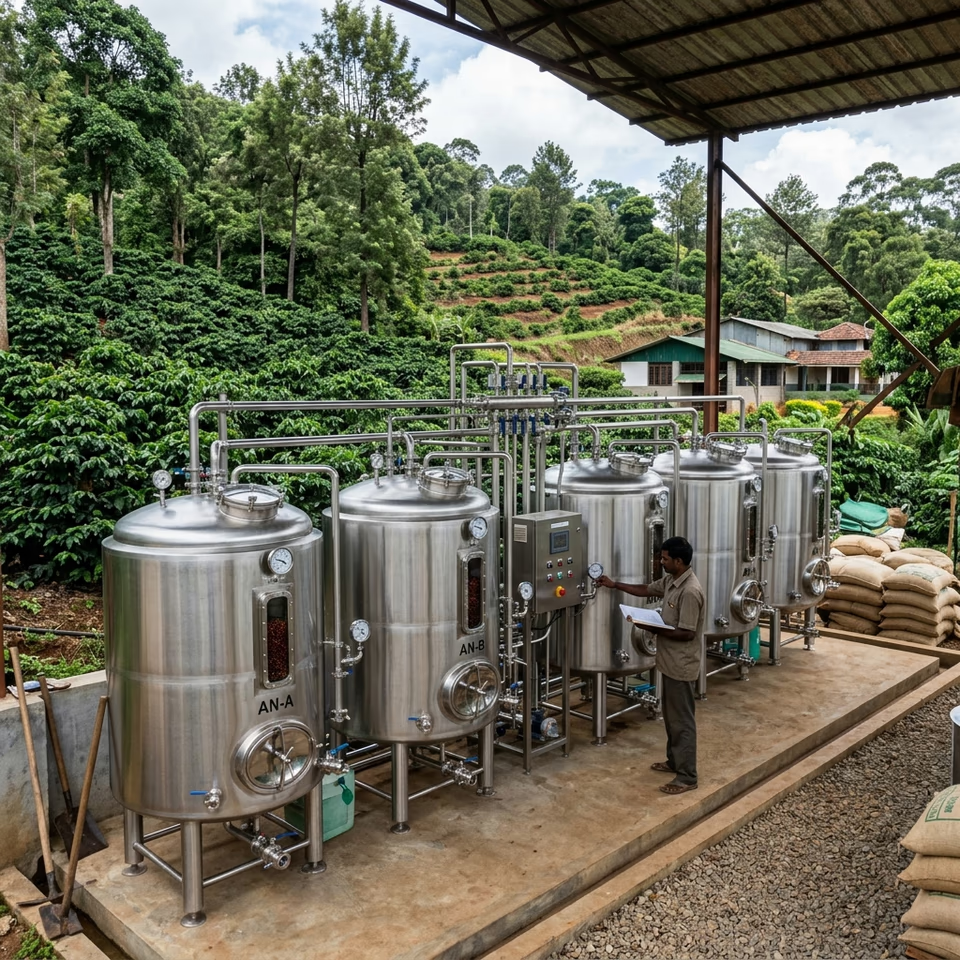
Anaerobic processing arrived in India relatively recently, and most Indian anaerobic lots have appeared in the last 3–5 years. A small number of progressive estates are leading, among them Ratnagiri and Melkodige in Chikmagalur, Salawara and Kalyancool around Sakleshpur and Coorg: they're investing in stainless steel fermentation tanks and working with fermentation consultants to develop consistent profiles. Demand is primarily from urban specialty buyers and competition circuits, so these aren't everyday coffees. Expect to pay a premium: anaerobic lots from India are priced at the top of the market.
Brew Guidance
Anaerobic coffees are intense, so start with lower doses and standard ratios, then adjust. On V60, use 90–93°C and a slightly coarser grind than usual, because high temperature and fine grind amplify the fermentation notes into something overwhelming. AeroPress works well for a shorter, more controlled brew. Cold brew is an interesting option for anaerobics, since 24-hour cold extraction mellows the intensity while preserving the complex fruit. Avoid French Press, where the metal filter plus immersion tends to make anaerobics taste muddy.
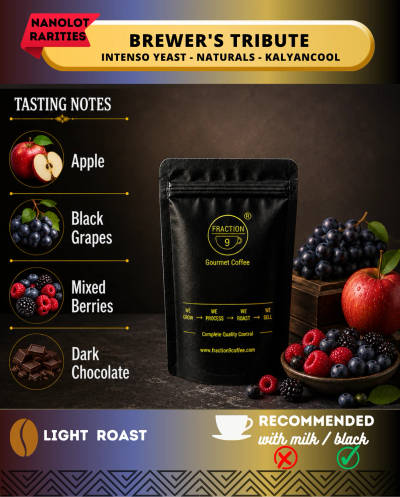
Anaerobic picks
Use soft water and careful ratios, because these cups can be intense.





Catalogue last refreshed .
Indian coffee processing guide
How natural, washed, honey, and anaerobic processing affects flavour in Indian specialty coffees.
Read the Context.
The background behind what you are tasting, from our writing on Indian coffee.
About anaerobic coffee
Controlled fermentation and flavour impact.
Explore More.
Discover other ways to find your perfect coffee.
Natural process picks
Lots where the fruit stayed on the bean longer for intense sweetness and complexity.
₹500–₹1000
The ₹500–₹1000 tier is where Indian specialty coffee beans get interesting: Chikmagalur and Baba Budangiri estates, SLN 795 and SLN 9 lots, and processing that turns experimental. Most of the catalogue's standout single origins live in this band.
The *light* end of the spectrum
Bright, acidic, and complex coffees roasted to preserve origin characteristics.