


Best Washed Process in India
Great when you want crisp definition and less ferment than naturals.
How this process works
From Cherry to Cup
- 01
Harvest and pulp
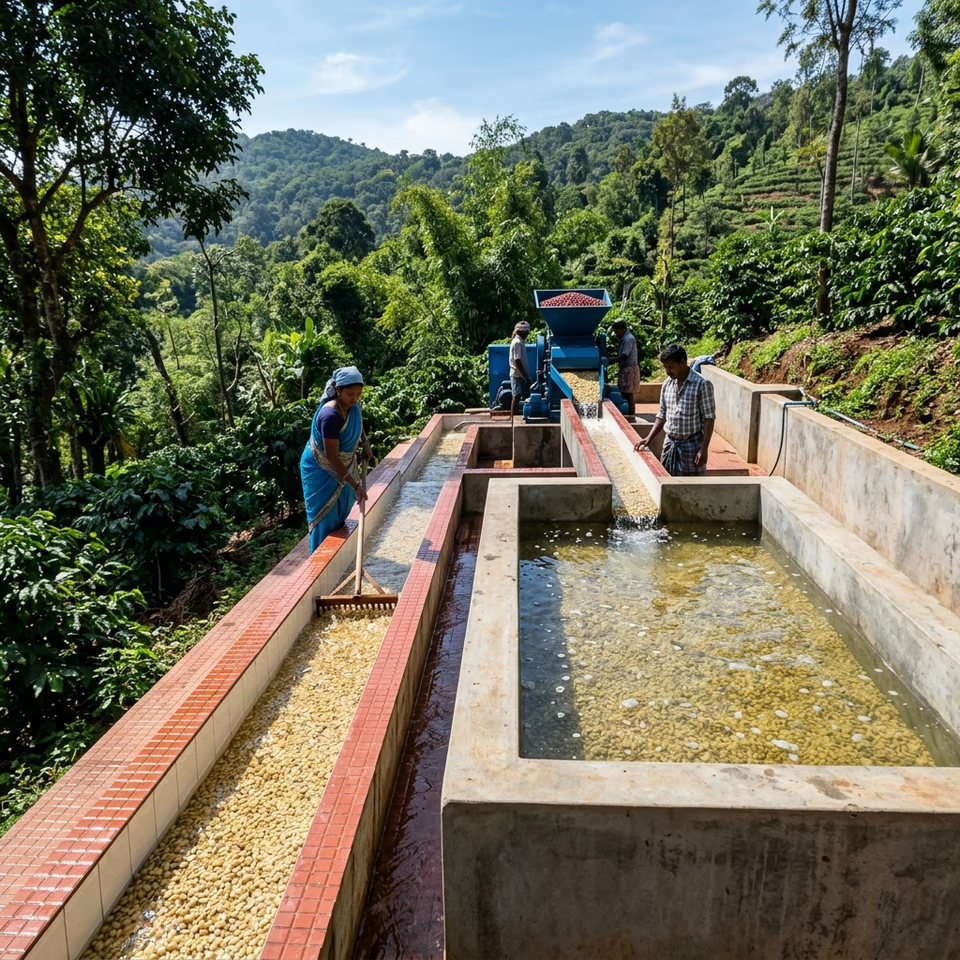
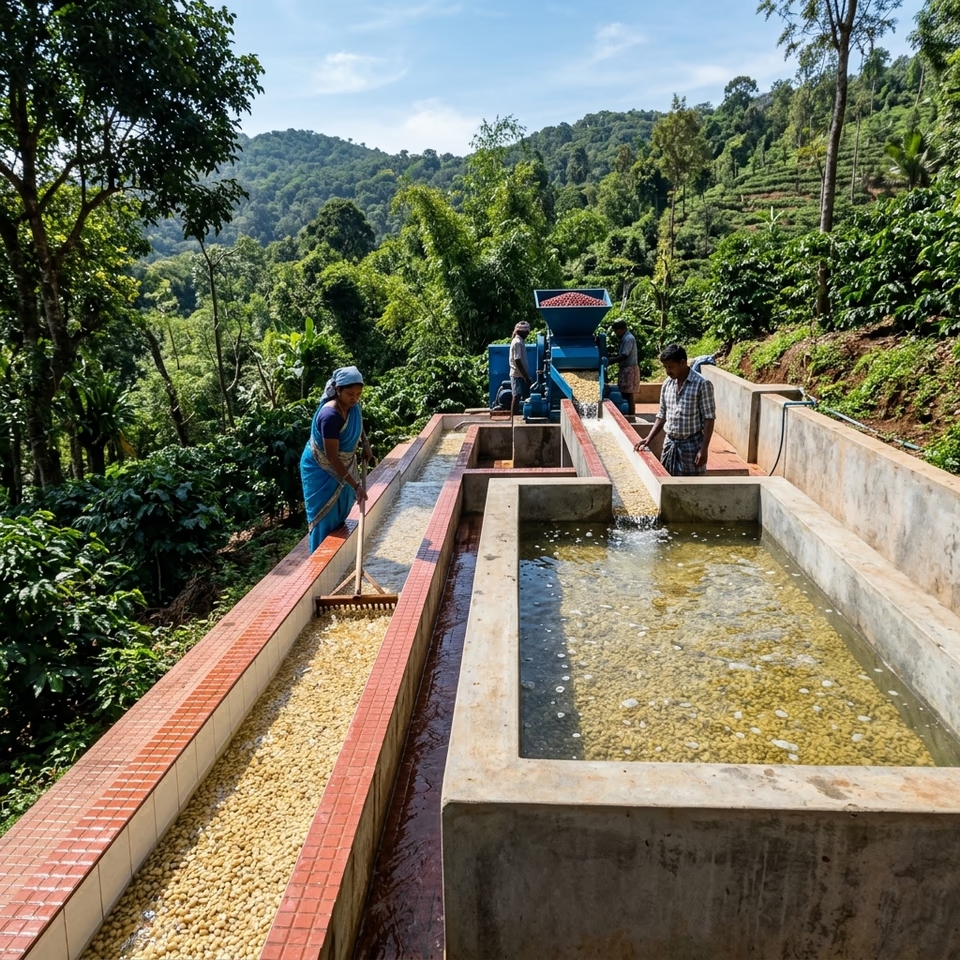
Ripe cherries are harvested and immediately run through a pulper that removes the outer skin. The bean, still coated in sticky mucilage, enters a fermentation tank.
- 02
Ferment and wash
Beans ferment in water or dry for 12–72 hours, and the fermentation breaks down the mucilage. They're then thoroughly washed with clean water to remove all remaining fruit material.
- 03
Dry and mill
Washed beans are dried on raised beds or patios to target moisture content, then milled to remove the parchment layer. The resulting green bean has had all fruit contact removed.
In the cup
Flavour Profile
Typical notes
Washed Indian coffees are where varietal and terroir express most clearly. SLN 795 washed lots from Chikmagalur estates such as Balanoor, Kerehaklu, and Ratnagiri show jasmine, peach, and clean bergamot, profiles that are only visible because fermentation isn't masking them. Washed Coorg arabica tends toward citrus and brown sugar. Araku Valley washed coffees are lighter and more delicate. This is the process that made Indian specialty coffee credible internationally, and washed Karnataka lots are what producers show at international competitions.
Process comparison
Washed vs natural: more clarity, higher perceived acidity, lighter body, less sweetness. Washed vs honey: cleaner and brighter than honey, less body and sweetness.
Indian Specialty Context
Washed processing requires clean water and infrastructure, so it's more capital-intensive than natural processing. Large Karnataka estates have had wet mills for decades; smaller producers are increasingly building wet-processing capacity as specialty demand grows. India's washed coffees are most concentrated in Chikmagalur, with Coorg, Baba Budangiri, and Koraput behind it, and these regions consistently produce the most competition-grade lots.
Brew Guidance
Washed coffees are the most rewarding on pour-over, where the clarity of V60 and Chemex lets the acidity and florals come through unmuddied. Use higher water temperatures (93–96°C) for light roasts. Washed coffees are more forgiving of grind inconsistency than naturals, a good starting point if you're new to pour-over. Espresso works well too: washed light-mediums produce bright, clean shots with good clarity in milk.
Washed process picks
Slightly finer grind can highlight acidity, so keep an eye on brew time.


Kalledevarapura Estate
Bili Hu
From ₹849 / 250g


Naga Washed
GB Roasters
From ₹735 / 250g

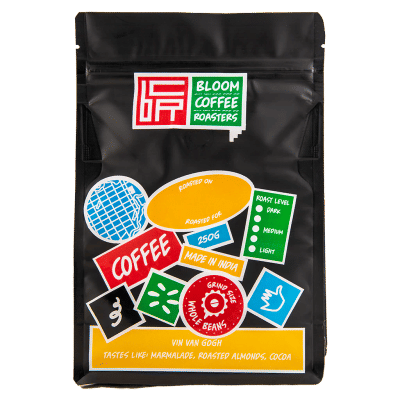

Cold Brew Blend Bold
Blue Tokai Coffee
From ₹650 / 250g

![Vontekad Estate Sln795 [Farm Organic Washed] [Espresso Roast] by Quick Brown Fox Coffee Roasters](https://ik.imagekit.io/indiancoffeebeans/tr:w-400,q-70/products/quick-brown-fox-coffee-roasters/quick-brown-fox-coffee-roasters-ms-estate-organic-espresso-roast-1)

Catalogue last refreshed .
Indian coffee processing guide
How natural, washed, honey, and anaerobic processing affects flavour in Indian specialty coffees.
Read the Context.
The background behind what you are tasting, from our writing on Indian coffee.
About washed coffee
Why washed lots taste clean and bright.
Explore More.
Discover other ways to find your perfect coffee.

Natural process picks
Lots where the fruit stayed on the bean longer for intense sweetness and complexity.
Honey process picks
Profiles between washed and natural with signature sweetness.
Made for the *V60*
Clarity, brightness, and origin character with nowhere to hide.