

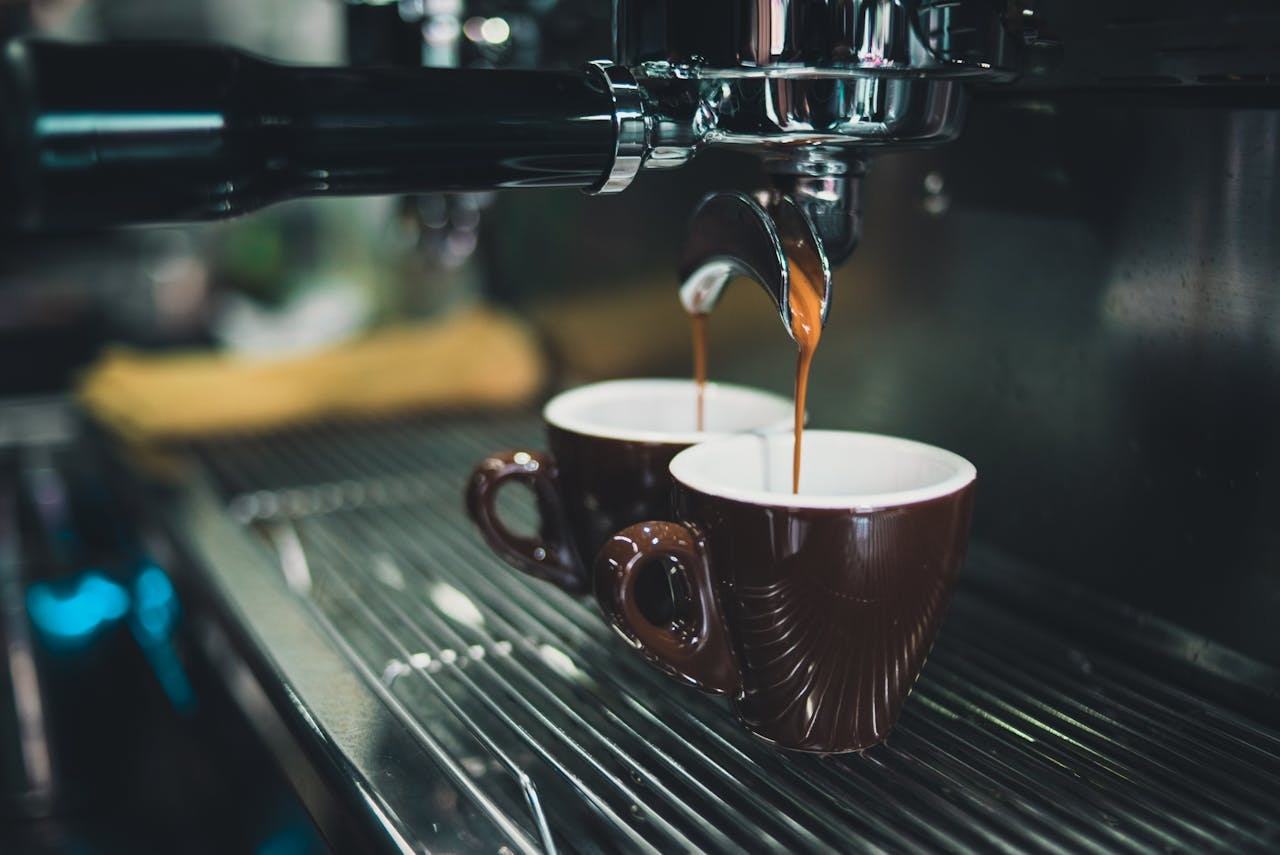
Best Coffees for Espresso in India
Espresso rewards medium to dark roasts with chocolatey, nutty, and caramel profiles.
Starting parameters
Grind
Extra fine
Powdery, like caster sugar
Ratio
1:2
Brew time
25–30 sec
How this brewer behaves
Mechanism
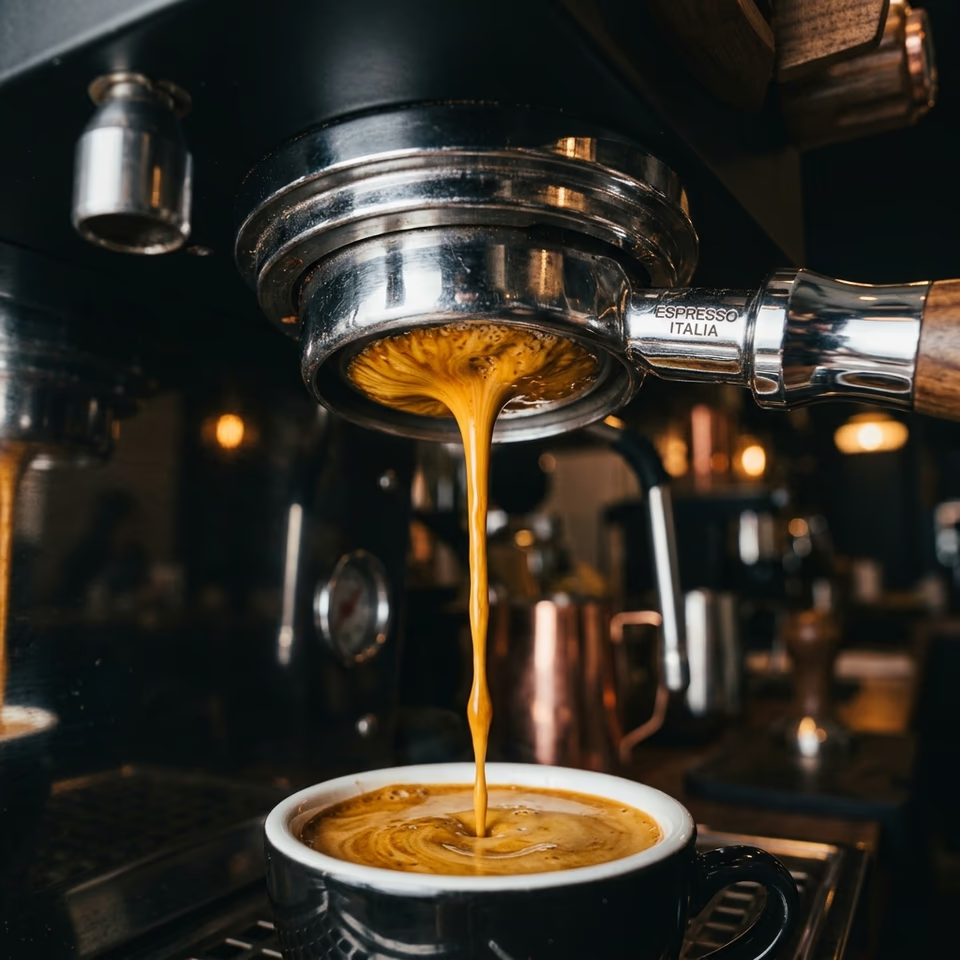
High-pressure forced extraction (9 bars)
Filter
Metal portafilter basket, no paper, all oils and body pass through
How it works
Hot water is forced through a tightly packed bed of finely ground coffee at approximately 9 bars of pressure. The combination of pressure, fine grind, and short contact time (25–30 seconds) extracts a concentrated shot with dissolved solids, oils, and CO2 that forms the characteristic crema layer on top.
Why it stands out
Maximum intensity and concentration. Espresso extracts more dissolved flavour per gram of coffee than any other method. The pressure creates emulsified oils and crema that no gravity-based brewer can produce. Serves as the base for milk drinks like cappuccinos and lattes.
Indian Specialty Context
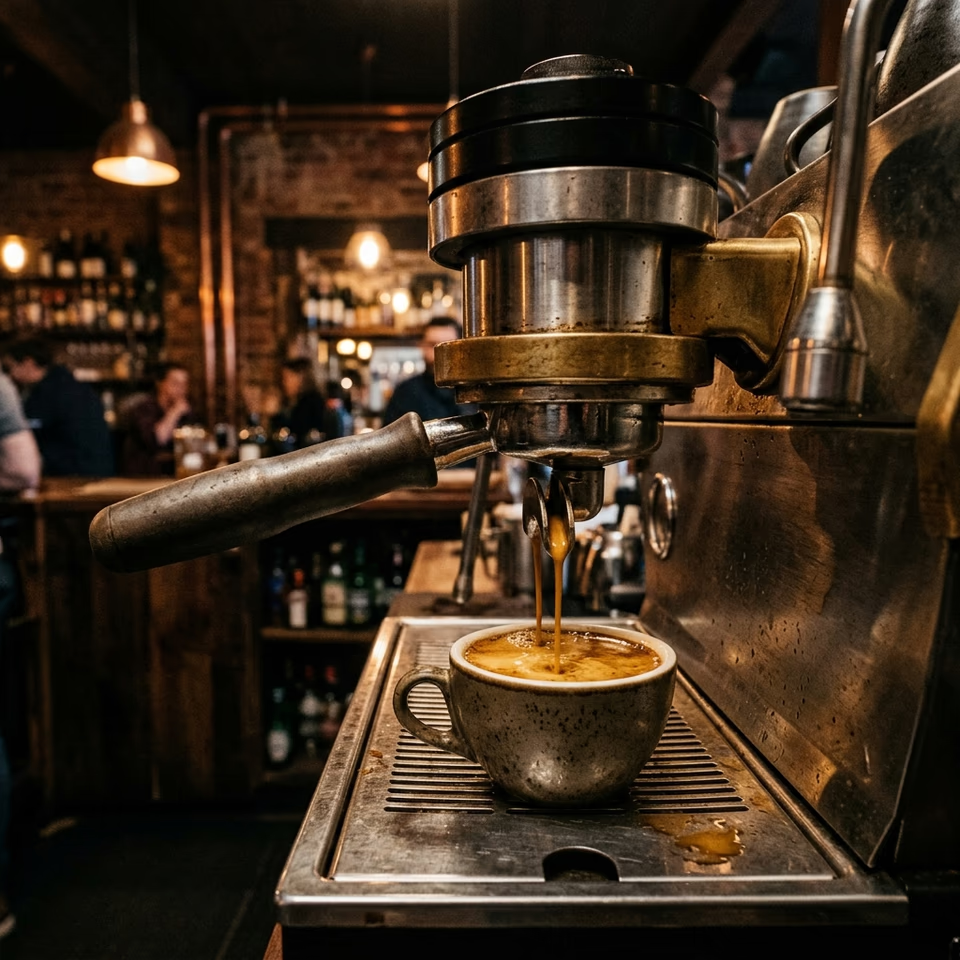
India has a deep espresso culture, from the Italian-style café scene in metros to the espresso-based drinks at specialty roasters like Blue Tokai, Corridor Seven, and Third Wave. Indian coffees, particularly medium-dark arabica from Chikmagalur and Coorg, pull well as espresso: chocolate, caramel, and roasted nut notes with enough body to cut through milk. Robusta-arabica blends from Karnataka are classic espresso material, where the robusta adds crema thickness and body while arabica contributes sweetness and complexity. Monsooned Malabar, with its low acidity and heavy body, is a legendary espresso component that Italian roasters have used in blends for decades. For single-origin espresso, look for honey-processed or natural medium roasts, which deliver the sweetness and body that espresso demands.
Common Mistakes
Roast Pairing Guide
Also Works
Avoid: Very light roasts. They tend to pull sour, thin shots without enough body for espresso. V60 or AeroPress will serve them better.
Related Brewers
Built for the shot
Look for medium-dark roasts from Chikmagalur and Baba Budangiri, Baarbara Estate above all, for rich, balanced shots with natural sweetness.

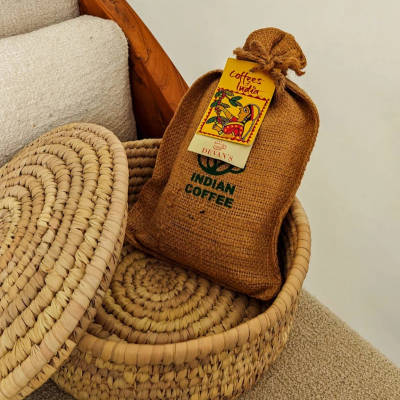
Monsooned Malabar
GB Roasters
From ₹500 / 250g


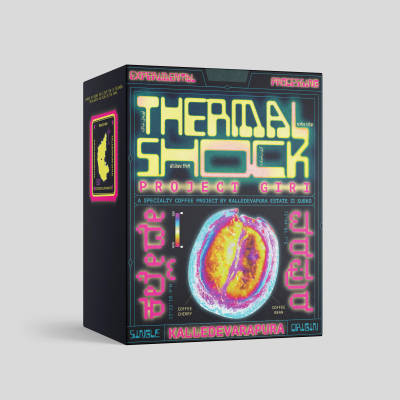
Kalledevarapura Estate
Bili Hu
From ₹849 / 250g



Catalogue last refreshed .
Dialling in grind size and dose is critical, and small changes make a big difference in espresso.
Espresso Brewing Guide
Dial in your espresso with expert recipes and extraction tips.
Read the Context.
The background behind what you are tasting, from our writing on Indian coffee.
Brewing Espresso
Single origins, Monsooned Malabar, and the grinder that matters most.
Explore More.
Discover other ways to find your perfect coffee.
Deep, dark, and *low-acid*
Low-acid, heavy-bodied cups, from specialty bittersweet to traditional South Indian boldness.
Bold without the *char*
Richer, rounder profiles for espresso, French Press, and milk drinks.
Stovetop strength for the *Moka Pot*
Bold, concentrated lots that hold their nerve under steam pressure.
Full-bodied for the *French Press*
Heavy-bodied, oily, low-acid lots built for a long immersion.