

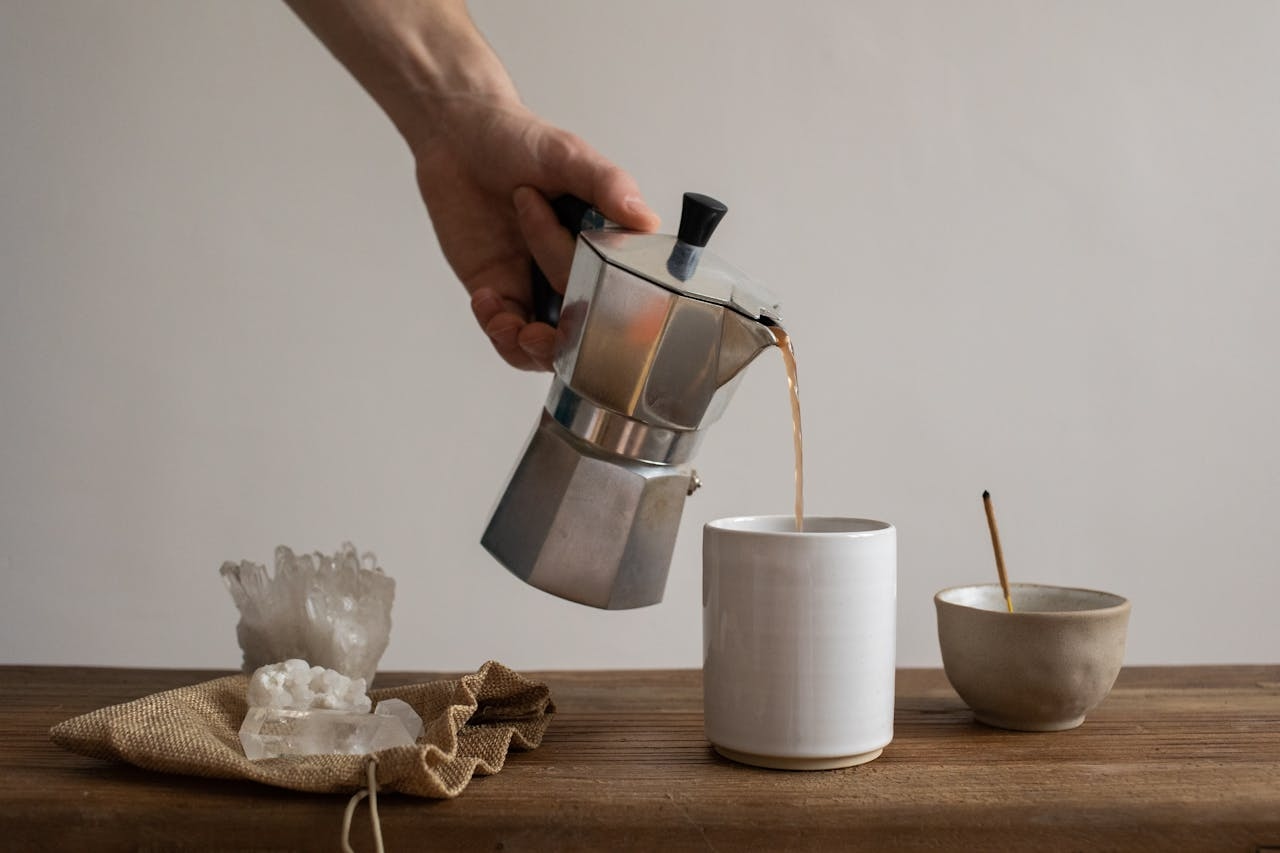
Best Coffees for Moka Pot in India
Moka Pot produces intense, espresso-like coffee, so choose medium-dark roasts for the best balance.
Starting parameters
Grind
Fine
Finer than drip, coarser than espresso
Ratio
1:8
Brew time
5–8 min
How this brewer behaves
Mechanism
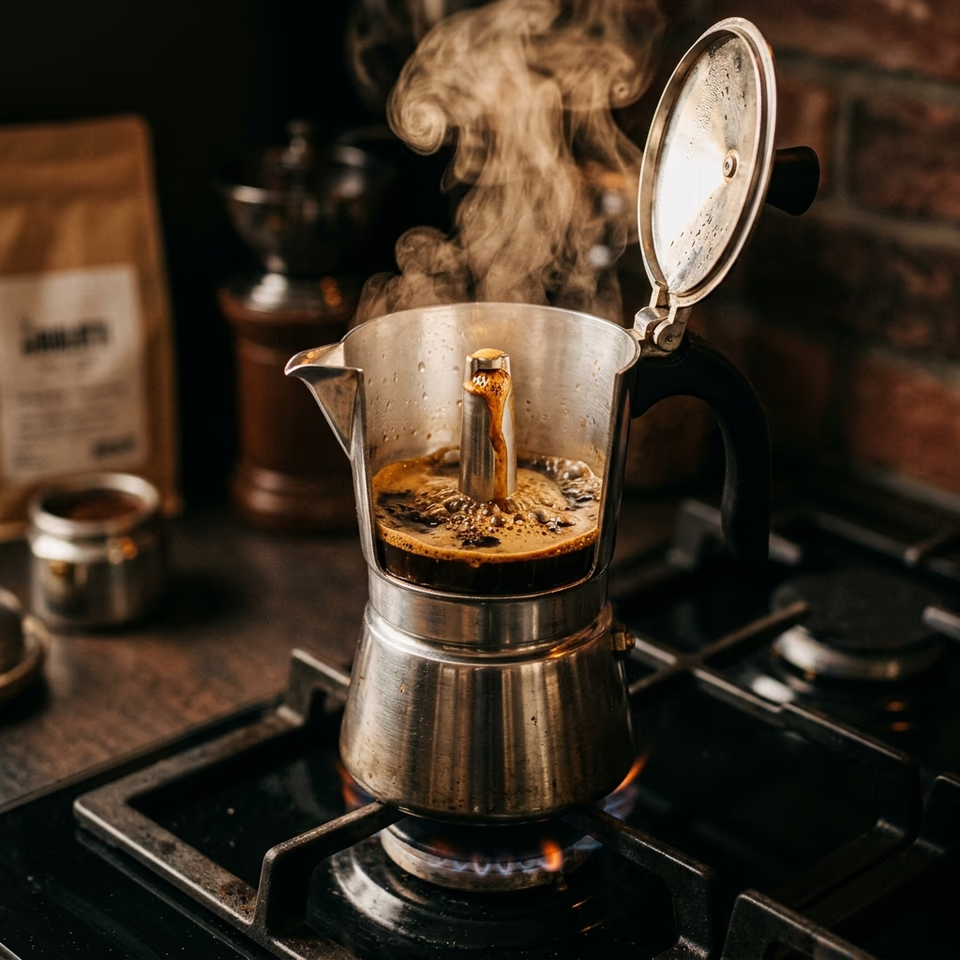
Stovetop steam-pressure extraction (~1.5 bars)
Filter
Built-in metal filter basket, oils pass through for full body
How it works
Water in the bottom chamber heats up and creates steam pressure, which forces water upward through a bed of fine coffee grounds and into the upper chamber. The pressure is lower than true espresso (~1.5 bars vs 9 bars) but higher than any gravity-based method, producing a strong, concentrated brew with more body than drip coffee but without the crema of espresso.
Why it stands out
The most accessible way to make espresso-style coffee at home. No electricity, no expensive machines, just a stovetop and a Moka Pot. It produces strong, intense coffee that works well with milk, making it a natural bridge between South Indian filter coffee and Western espresso culture.
Indian Specialty Context
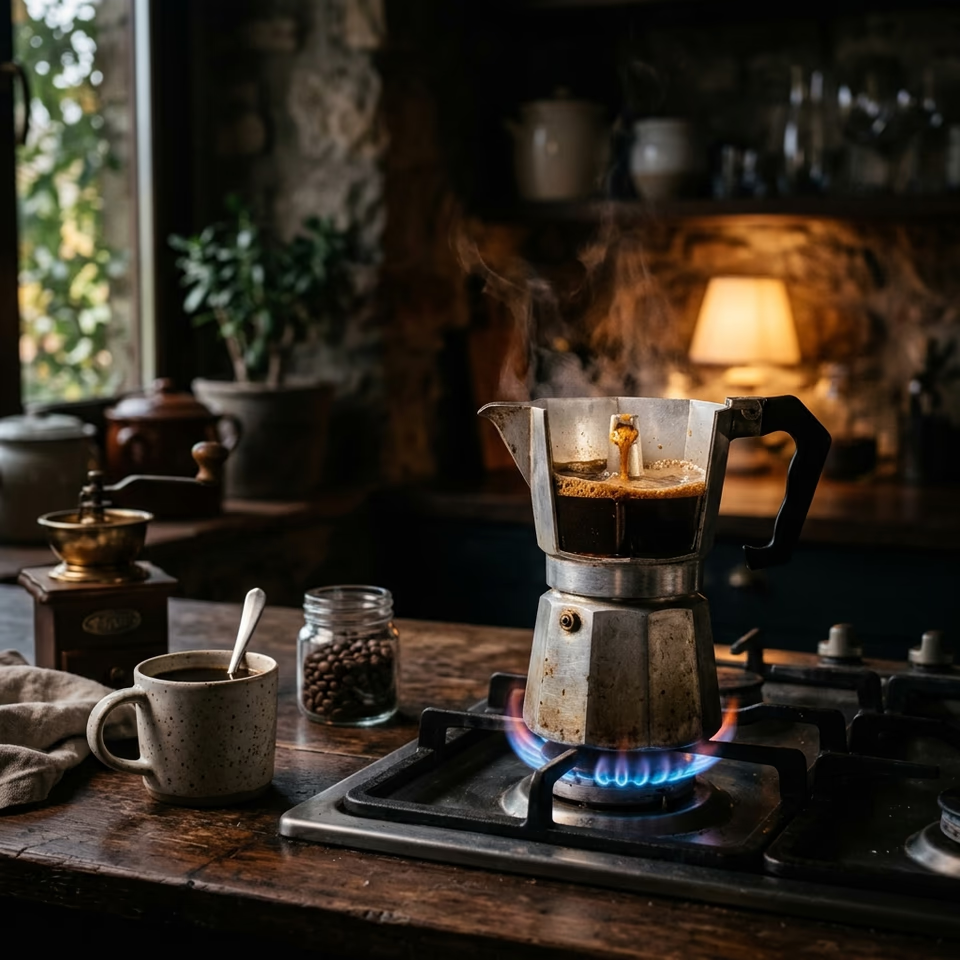
Moka Pot has a growing following in India, especially among home brewers looking for an affordable way to make strong, concentrated coffee. Indian medium-dark roasts from Chikmagalur and Coorg produce excellent Moka Pot coffee, and the chocolate, spice, and roasted nut notes come through intensely without the bitterness you get from lighter roasts under pressure. Robusta-arabica blends are particularly good on Moka Pot, where the robusta adds body and intensity while arabica brings sweetness. For anyone transitioning from South Indian filter coffee, Moka Pot at home is the closest equivalent in terms of strength and body. Natural-processed medium roasts from Karnataka produce a surprisingly fruity, syrupy Moka Pot cup that converts pour-over sceptics.
Common Mistakes
Roast Pairing Guide
Also Works
Avoid: Very light roasts. The pressure and concentrated extraction amplifies sourness and thinness. French Press or AeroPress handle light roasts better.
Related Brewers
Stovetop strength for the Moka Pot
Medium-dark roasts from Karnataka work beautifully, delivering bold flavour without bitterness.


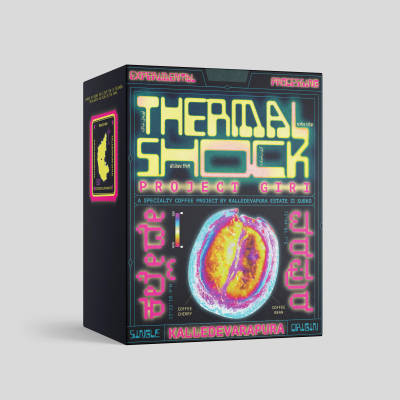
Kalledevarapura Estate
Bili Hu
From ₹849 / 250g
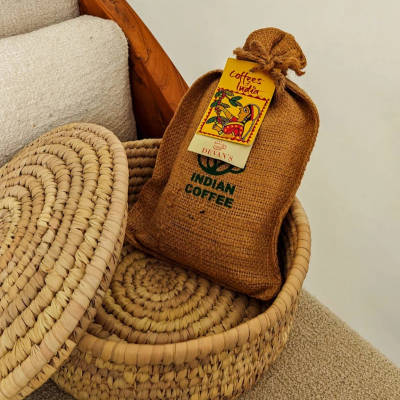
Arabica Plantation - AA Coffee
Devan's
From ₹500 / 250g
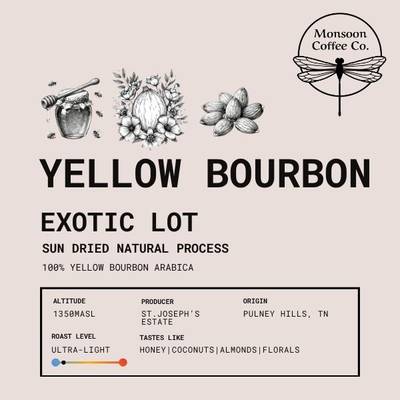
Yellow Bourbon
Monsoon Coffee Co.
From ₹475 / 250g

Filter Coffee Blend
Beachville Coffee Roasters
From ₹700 / 250g




Catalogue last refreshed .
Brew like a pro
Traditional Moka Pot
by Popular Method
Using pre-heated water in the boiler to prevent baking the coffee
Medium heat and fresh, properly ground coffee are the keys to great Moka Pot coffee.
Moka Pot Brewing Guide
Learn expert techniques for brewing bold, rich coffee on the Moka Pot.
Read the Context.
The background behind what you are tasting, from our writing on Indian coffee.
Brewing with Moka Pot
Heat, grind, and how it compares to espresso and filter.
Explore More.
Discover other ways to find your perfect coffee.
Built for the *shot*
Crema, body, and balance that hold up under nine bars of pressure.
Deep, dark, and *low-acid*
Low-acid, heavy-bodied cups, from specialty bittersweet to traditional South Indian boldness.
Bold without the *char*
Richer, rounder profiles for espresso, French Press, and milk drinks.
Full-bodied for the *French Press*
Heavy-bodied, oily, low-acid lots built for a long immersion.