

Clean, balanced, highlighting origin characteristics
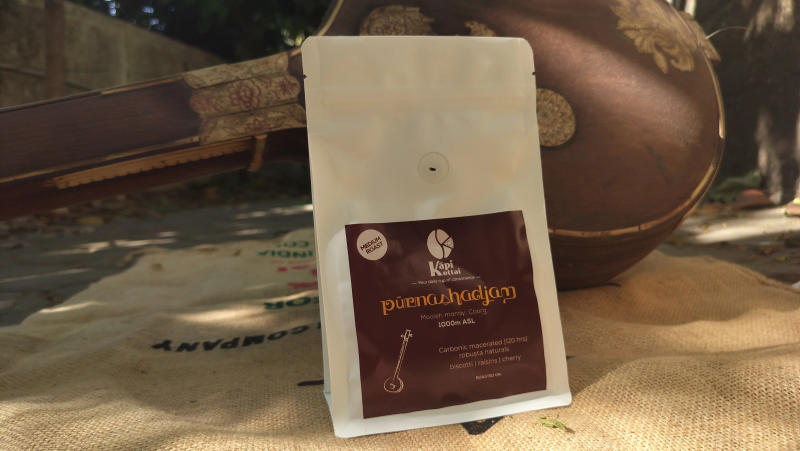
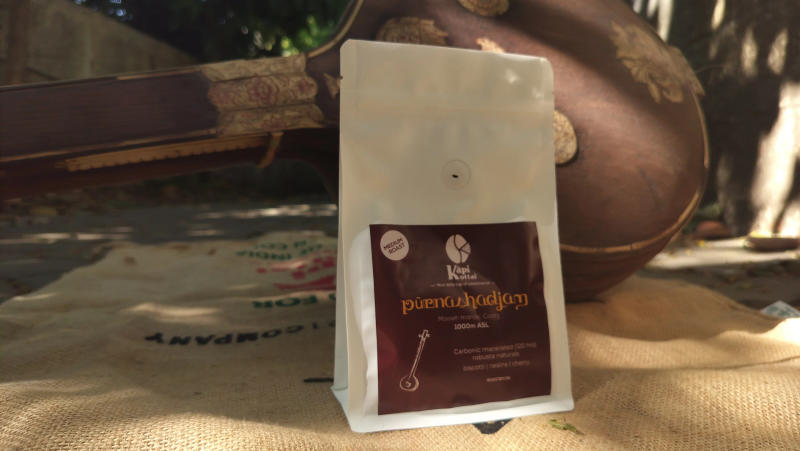
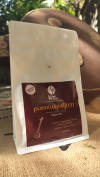
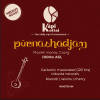
medium roast · fermented in sealed pressurised barrels with a custom culture · Coorg
Flavour
Origin and production
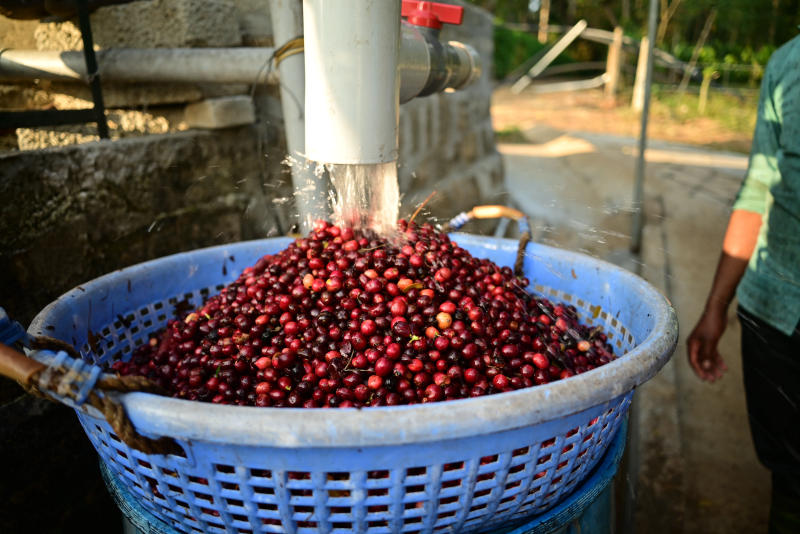
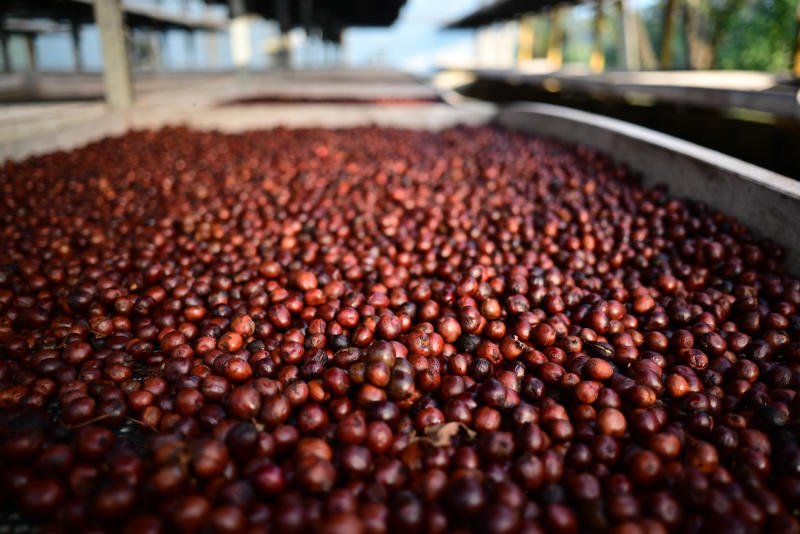
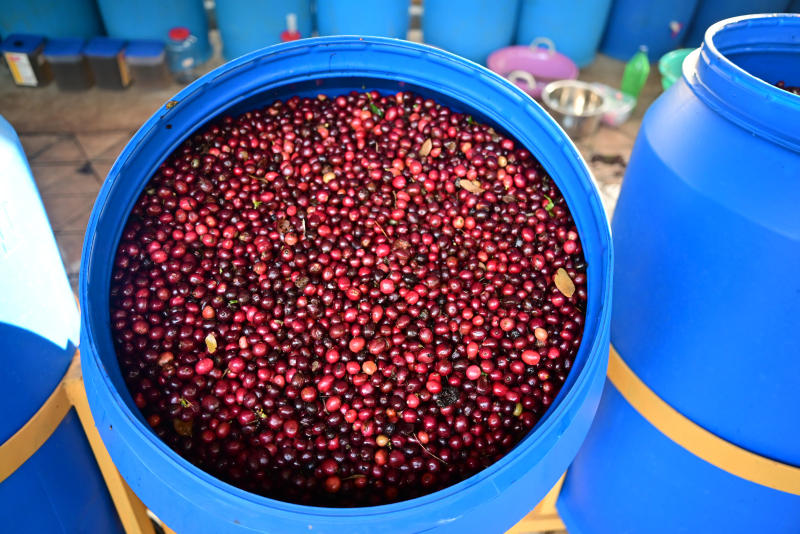
- fermented in sealed pressurised barrels with a custom culture
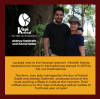
As described by Kapi Kottai
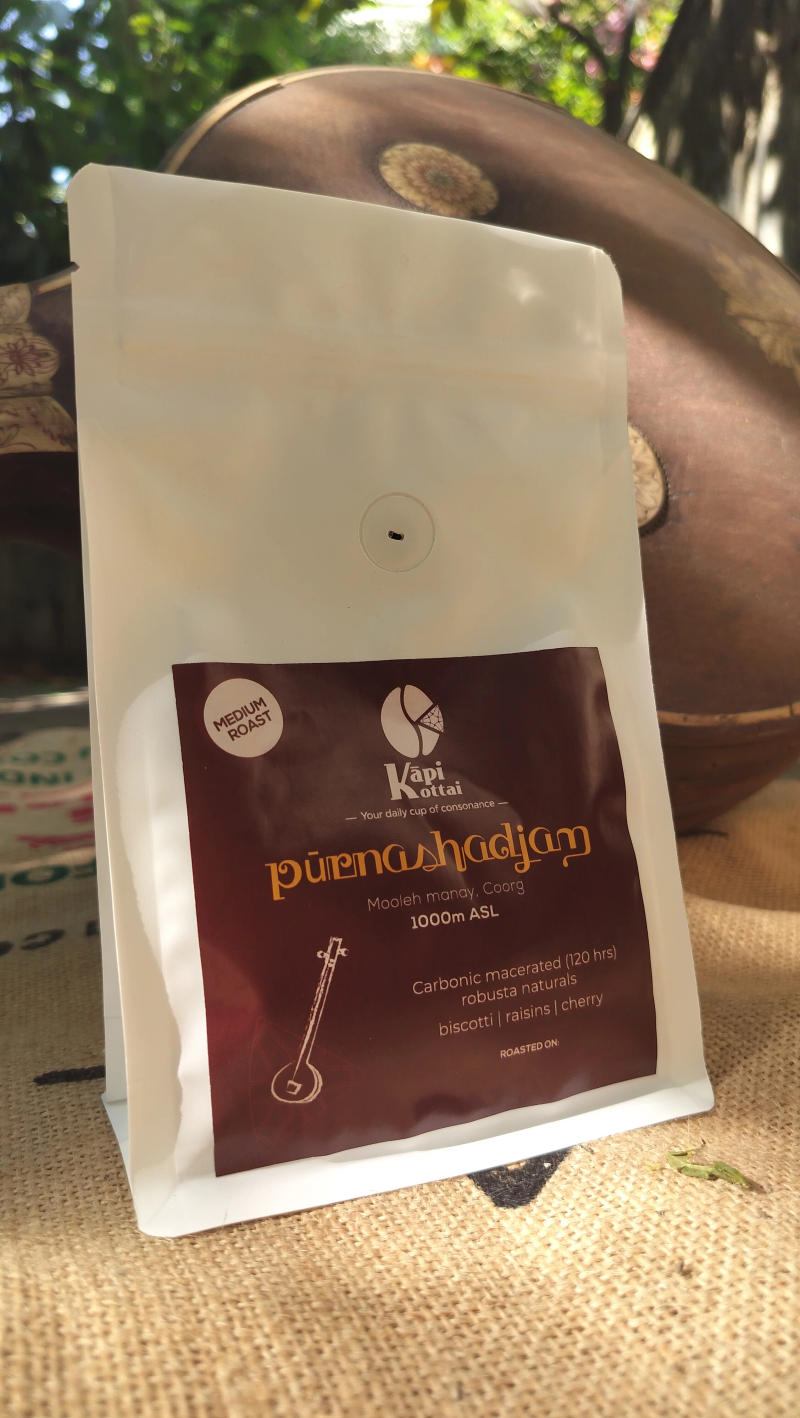
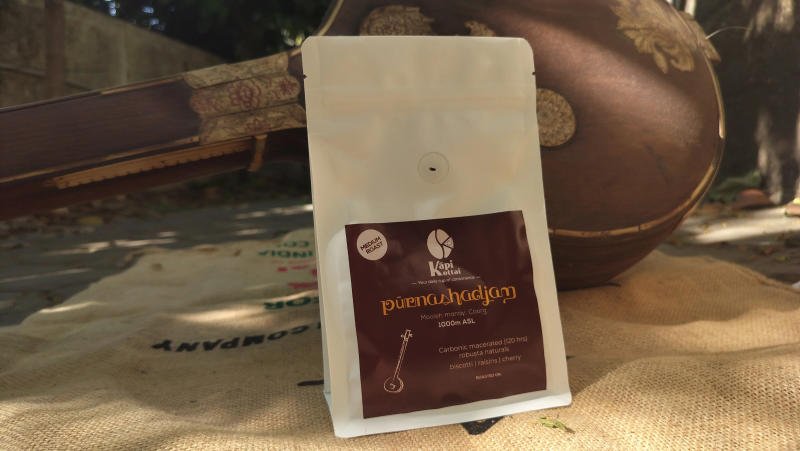
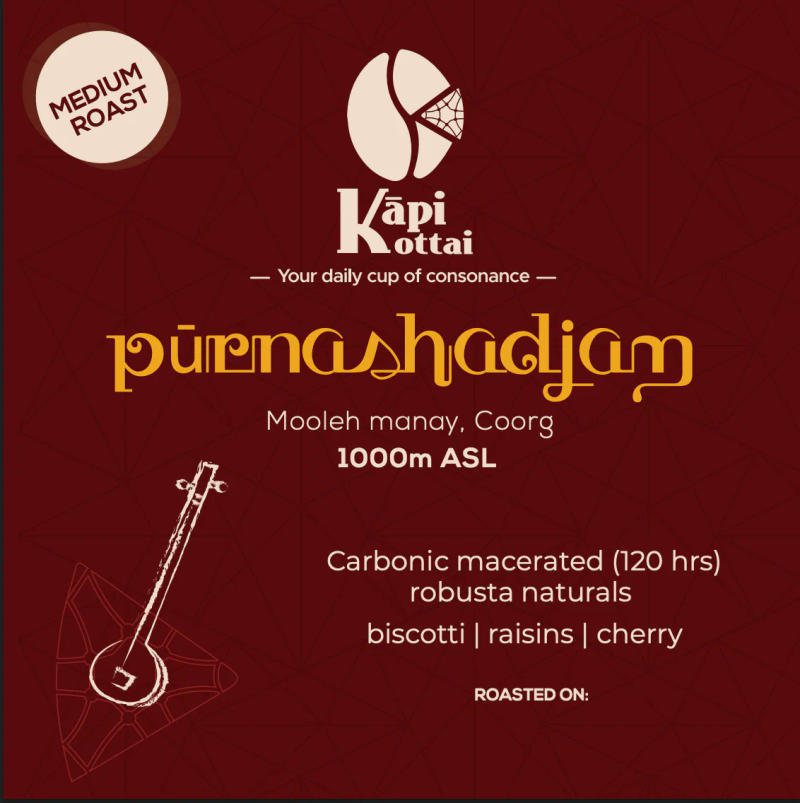
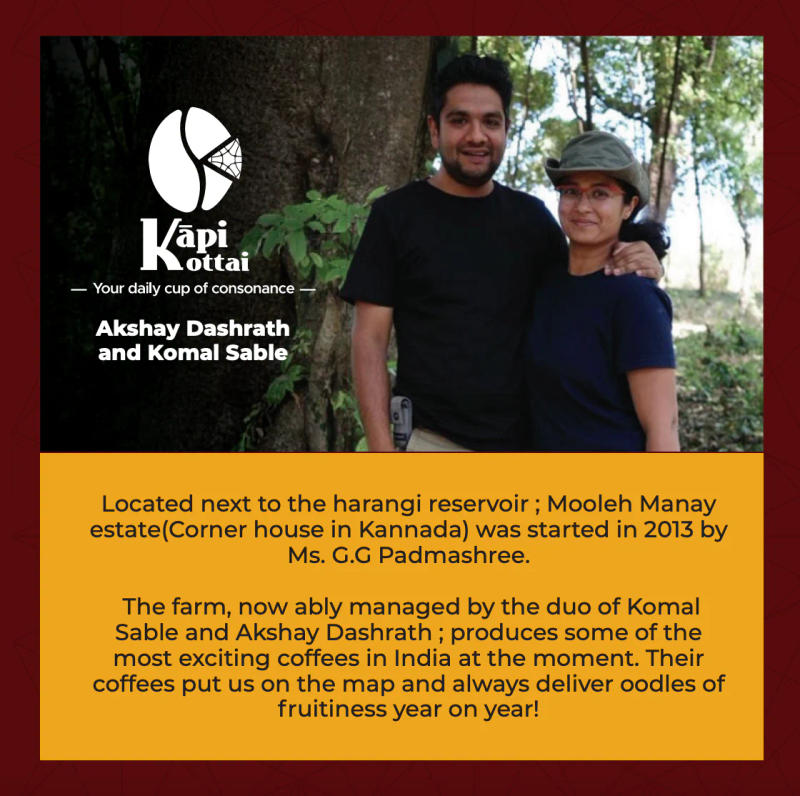
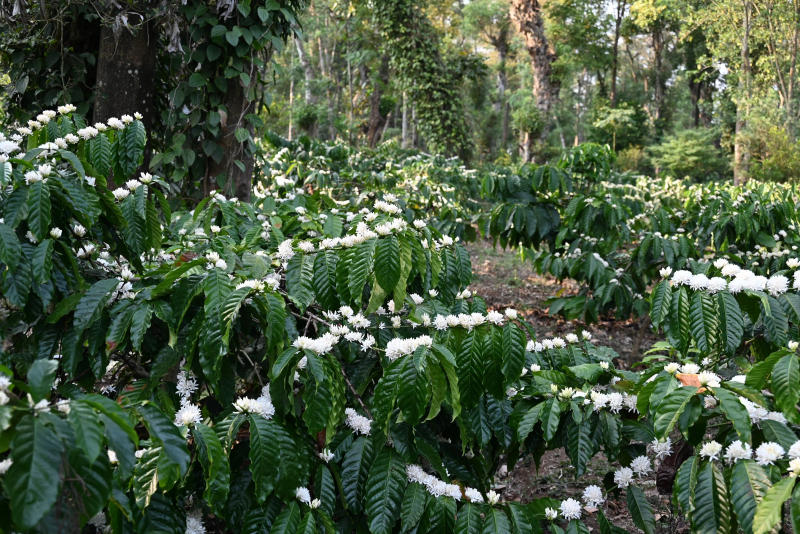
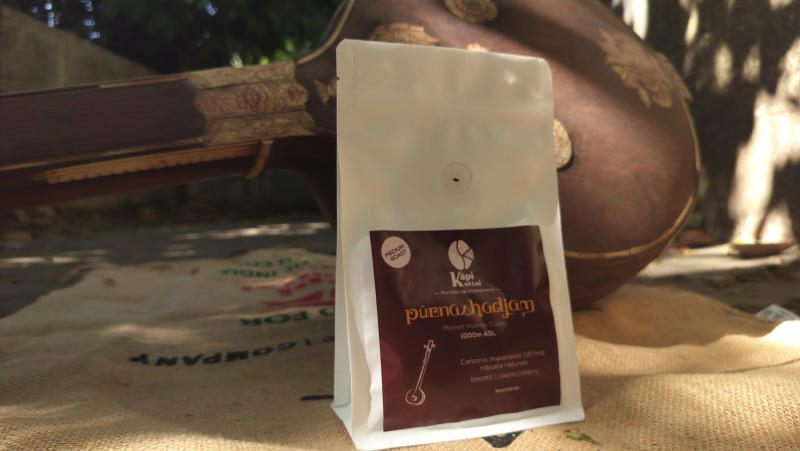
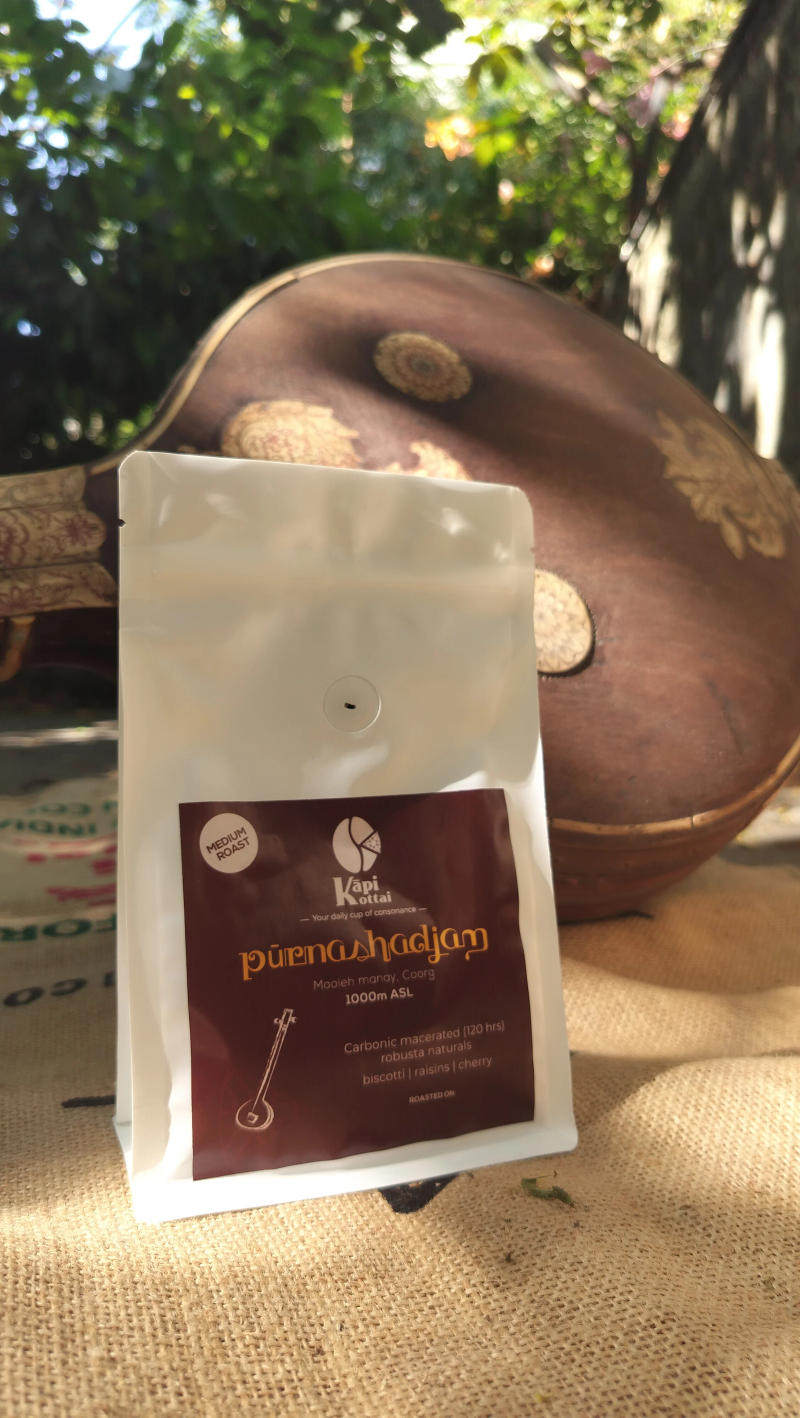
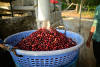
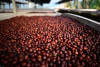
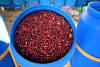
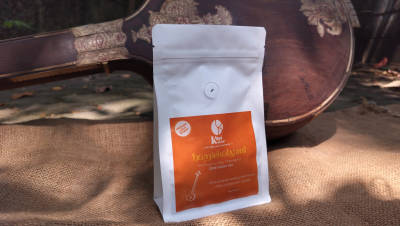
After a lot of searching, we finally found a robusta we liked; and it's from our O.G. parter farm! We have always wanted to feature robustas but never found one that blew our socks off, until now! The good folks at Mooleh Manay have thrown the kitchen sink at processing their robusta with the aim of making it delightful in the cup and boy have they delivered! For this lot, ripe C×R cherries are floated to remove defects and then fermented in sealed pressurised barrels with a custom cluture for 120 hours. The combination of pressure from the CO2 and the custom culture ensures proper breakdown of the mucilage. The cherries are then slow dried on raised beds to stabilise water activity. The result of all this care is a cup that has none of the harshness that is usually associated with robusta. We have infact roasted this coffee to medium as it would be a crime to mask the complexity with a darker roast! All our test roasts were smooth, sweet and fruity! We taste a pleasant sweetness and nuttiness that reminds us of raisins and biscotti. The cherry like fruitiness present in the aroma shows up towards the end especially as the cup cools. We were stumped by how soft all test batches tasted! This is indeed a robusta revelation. The elegance of this coffee reminded us of the rāga pūrnashadjam (which is a slightly rare but has oodles of consonance). Pūrnashadjam the coffee makes for a delightful manual brew (we prefer a 16.5 g dose for 300g water to deal with the extra caffeine) on a v60 7 days post roast and makes for a sweet sweet shot of Crema laden espresso 18 days from the date of roast.
Brewing
Pack sizes and price
Ratings
What drinkers say
5.0
With milk?
- Rated 5 out of 5
“When brewed correctly, the floral notes of Marigold were awesome. Nice coffee, waiting to try it again in the future.”
More from Kapi Kottai


Read about this

Origins & Estates
Coorg Coffee: What Kodagu Actually Grows
Kodagu produces about 35% of India's coffee, and three-quarters of its planted area is robusta. The name "Coorg coffee" covers both a souvenir filter powder and a specialty origin with 143 lots in ICB's catalogue. This guide separates the two.

Origins & Estates
Coorg vs Chikmagalur vs Araku: Flavor Differences Explained
Chikmagalur, Coorg, and Araku are the three names Indian specialty buyers encounter most on coffee bags. This comparison maps the actual flavor patterns across all three regions using ICB catalog data — 219 Chikmagalur coffees, 36 from Coorg, and 9 from Araku — to show how they differ and why.

Origins & Estates
Coffee Estates in India: What They Are and How They Shape the Cup
When a specialty coffee bag lists "Ratnagiri Estate" or "Baarbara Estate", it is making a traceability claim — not just naming a place. This article explains what an Indian coffee estate is operationally, how it produces coffee from cherry to dispatch, and which estates appear most widely across Indian specialty roasters.
Questions about this coffee
Kapi Kottai's tasting notes for Pūrnashadjam lean toward Biscotti, Fruity, Nuttiness and Raisin. Flavor is subjective and shifts with roast freshness, grind size, and brew method, so your cup may vary.
Pūrnashadjam is a single-origin coffee, sourced from one origin rather than blended, so it reflects the character of that specific place.
Pūrnashadjam is suggested for Espresso and Pour Over. As a rule of thumb: espresso needs a fine grind, pour-over and drip a medium grind, and French press or cold brew a coarse grind. Dial in from there to taste.