

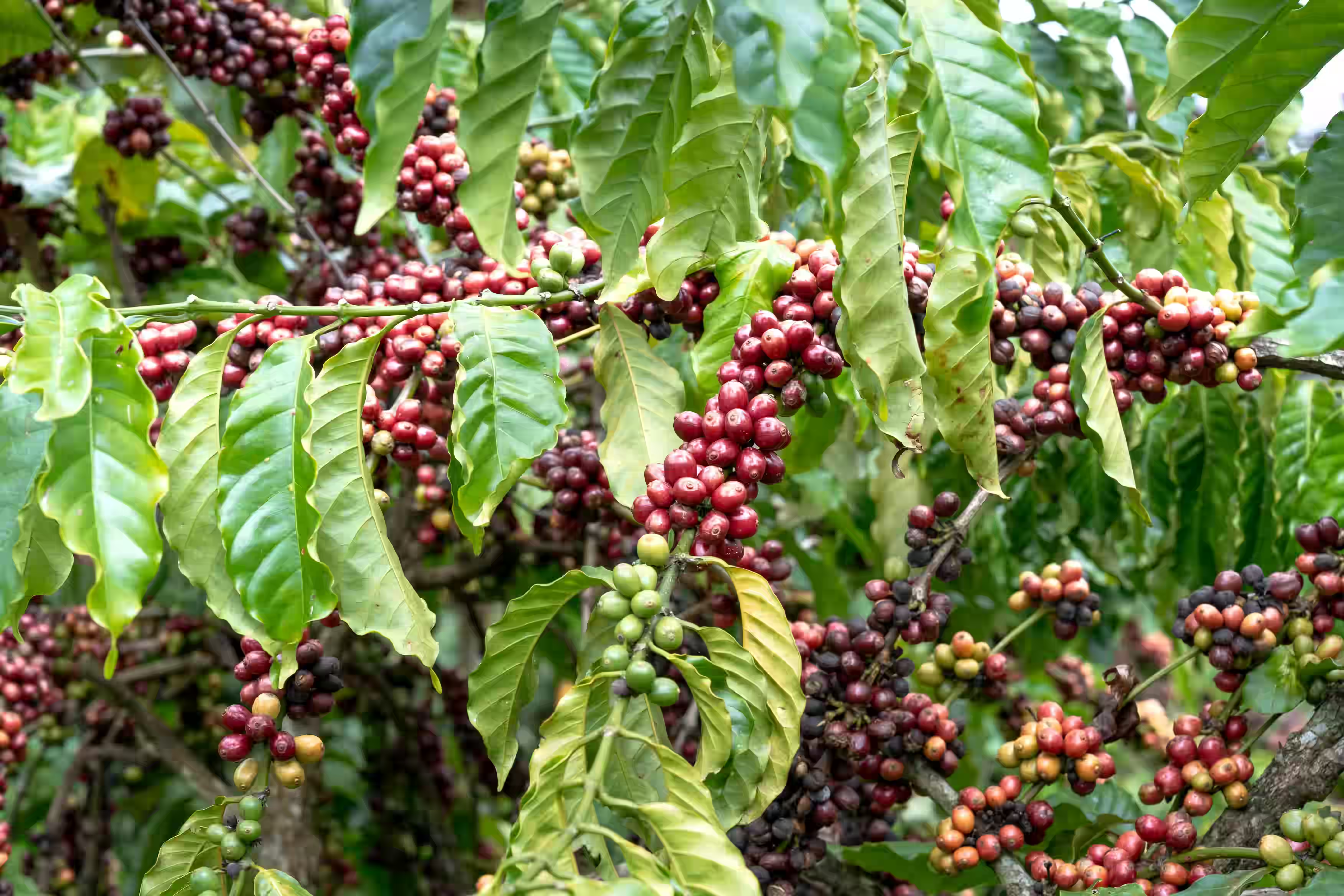
Best Coorg Coffee in India
Often bold and full in body, which suits espresso, milk drinks, and everyday drinkers.
Explore the Terroir
About the Region
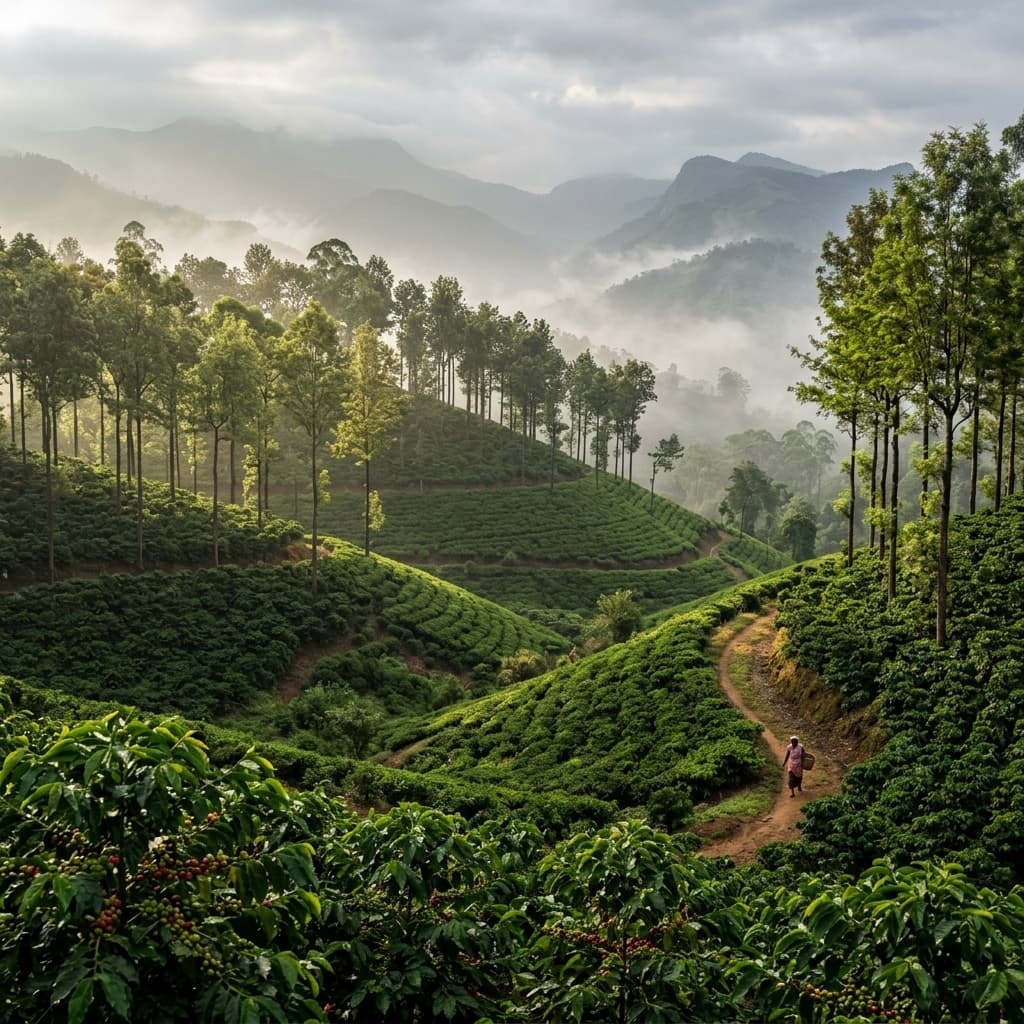
Coorg, officially Kodagu district, is Karnataka's other major coffee heartland, adjacent to Chikmagalur but with distinct character. The district is densely forested, with coffee grown under native shade at elevations ranging from 1,000 to 1,750 metres. It's the largest coffee-producing district in Karnataka by volume, with a mix of large estates, medium-sized family farms, and a growing number of specialty-focused producers. Coorg is also known for its spice cultivation alongside coffee. Cardamom, pepper, and ginger grow alongside coffee plants, which some producers argue influences flavour.
In the cup & on the map
Quick facts to anchor flavour expectations, paired with the coffees below.
State / area
Karnataka
Elevation
1,000–1,750m
Known for
Full-bodied arabica, espresso and milk drink suitability
Terroir & Growing Conditions
Climate
Tropical, very heavy monsoon, cool winters
Soil
Loamy laterite
Altitude
1,000–1,750m
Varieties
Robusta, S.795, Cauvery
Rainfall
2,500mm a year
Harvest
November-February
Intercrops
Pepper, Orange
Area
1,35,796 ha under coffee (NRSC 2024, Sept 2024)
Coorg coffees
Pair with process filters to find naturals or washed estate lots, since the region produces both well.
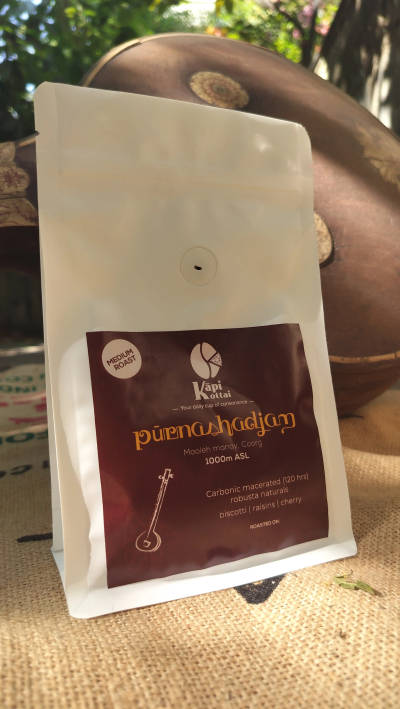
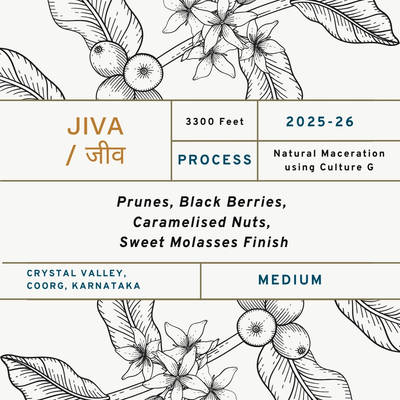
Pūrnashadjam
Kapi Kottai
From ₹700 / 250g
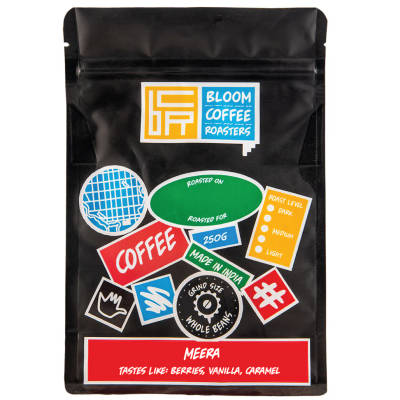

Elkhill Estates
Blue Tokai Coffee
From ₹800 / 250g




Catalogue last refreshed .
In the Cup
Typical notes
Process Variation
Washed Coorg suits espresso and milk drinks best, since the body holds up without becoming harsh. Natural Coorg lots are excellent on French Press and AeroPress. Honey-processed Coorg has grown significantly, and the sweetness complements the region's naturally full body.
Roaster Sourcing
Coorg is well-sourced by Indian specialty roasters, including Blue Tokai, Third Wave, and Naivo carry Coorg lots. It's also the region most associated with traditional South Indian filter coffee blends, so both specialty and commodity roasters source here. On ICB, the specialty lots are distinguishable by estate name, varietal specification, and roast date, so filter for these to avoid generic blends.
Indian Specialty Context
Coorg arabica at medium roast is India's most approachable specialty coffee: chocolate-forward, full-bodied, and low enough in acidity for everyday drinking. It holds up to milk without thinning out. Natural lots from Coorg estates are fruit-heavy and rich, a different expression of the same terroir. The spice notes that appear in some Coorg cups (cardamom, pepper) are a distinctive regional character. Whether they come from the growing environment or proximity to spice cultivation, they're real and consistent.
Brew Guidance
Recommended
Medium and medium-dark Coorg roasts are excellent in French Press, where the full body and low acidity shine with the metal filter. South Indian filter coffee suits traditional Coorg blends well. For lighter Coorg roasts, AeroPress or V60 work well; expect a slightly fuller cup than equivalent Chikmagalur lots at the same roast level.
Explore Nearby Regions


Sourcing from Coorg
Explore Indian coffee regions
Region guides and brewing tips on the learn hub.
Read the Context.
The background behind what you are tasting, from our writing on Indian coffee.
About Coorg coffee
Flavour, terroir, and buying tips for Kodagu coffee.
Explore More.
Discover other ways to find your perfect coffee.
Chikmagalur coffees
From classic washed estate lots to experimental microlots.
Wayanad coffees
Kerala highland lots from Indian specialty roasters.
The reliable *all-rounder*
Balanced chocolate, caramel, and mild acidity: the everyday sweet spot for most brew methods.
Natural process picks
Lots where the fruit stayed on the bean longer for intense sweetness and complexity.