

Clean, balanced, highlighting origin characteristics
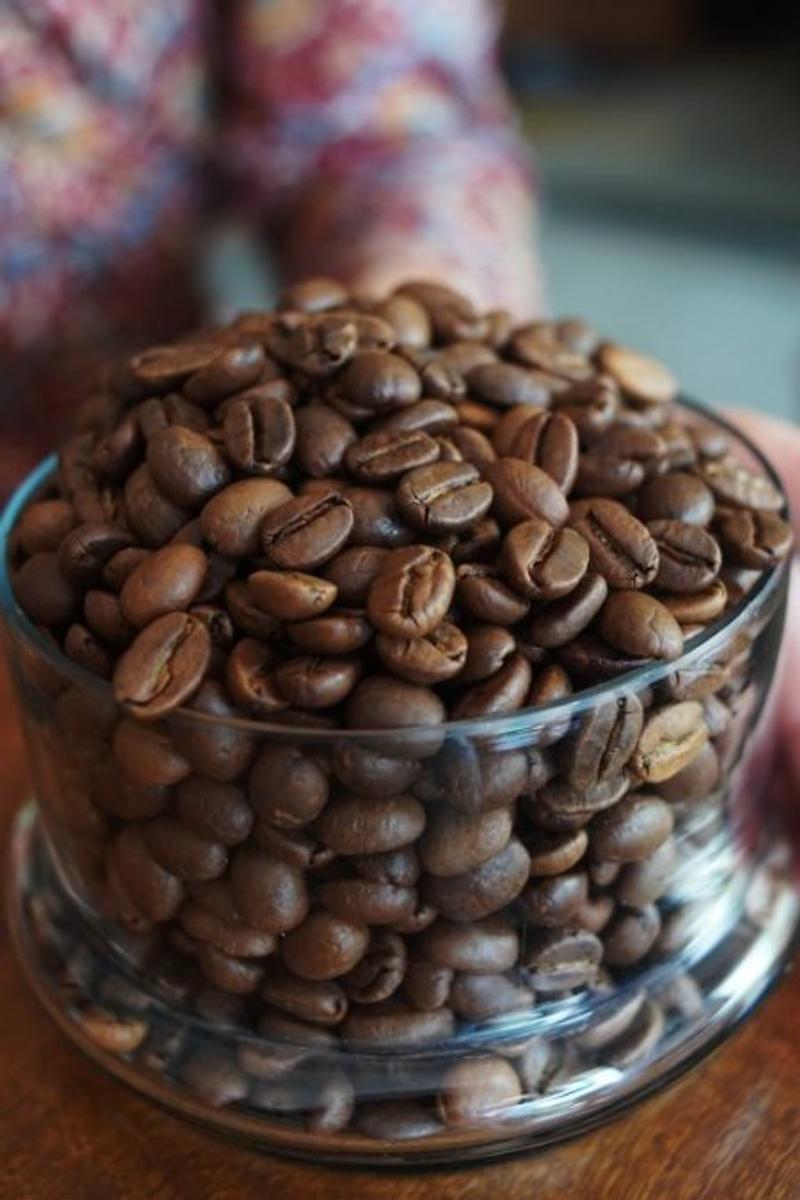
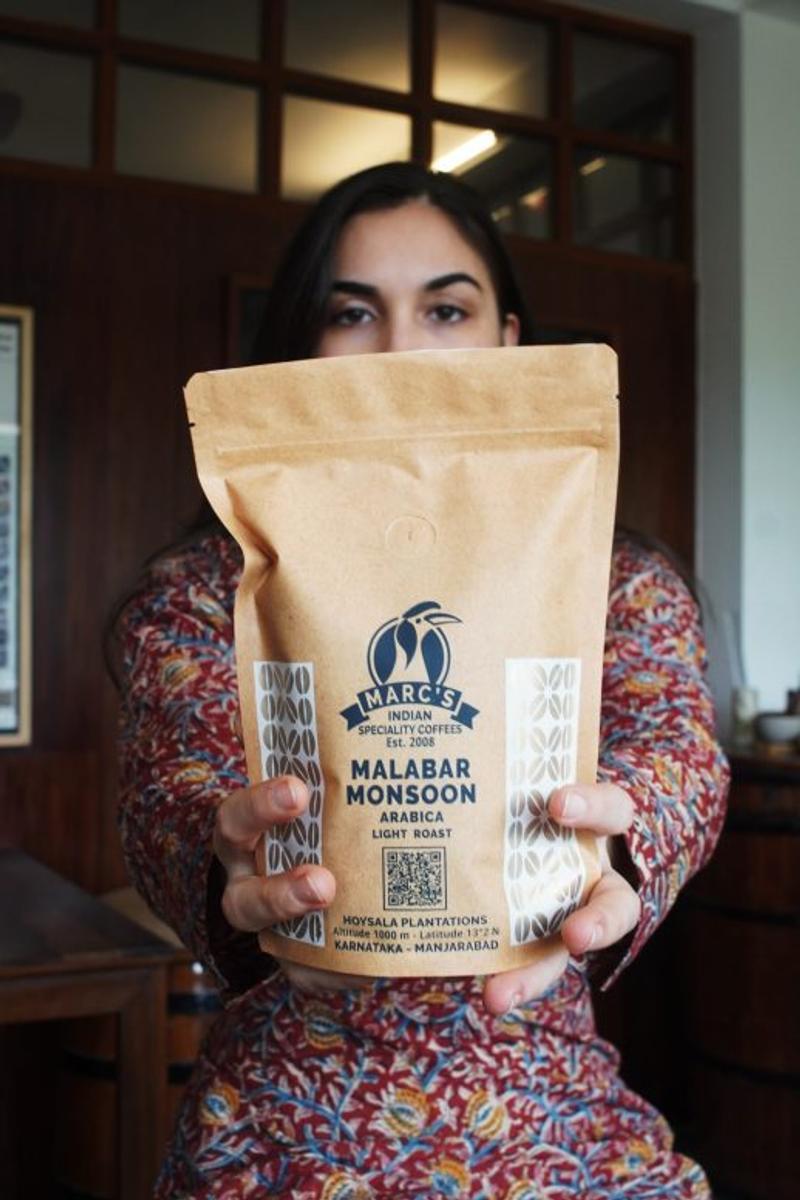

Light Roast · Natural & Monsooned · Coorg, Karnataka
Flavour
Origin and production
- Coorg, Karnataka
As described by Coffee Ideas (Formerly Marc's Coffee)
A classic variant of the nostalgic Monsooned Malabar coffee, this coffee is a unique light roast with taste notes very atypical of a conventional light roast. Recommended Brewing: Malabar Arabica is best enjoyed without milk! As any light roast, make sure not to use it for milk-based coffee recipes. Have it as a shot of Espresso or a nice, long Pour-Over. It pairs well with fruity, baked treats. The Story: The origin of the Malabar Monsooned goes way back to the British Raj, during which coffee beans were transported in hulls of clipper ships to Europe. This journey took about three months. The transformation would take place naturally, as the humid monsoon winds from the Arabian sea would give the beans a unique flavour and a colour. With the advent of faster cargo ships, the beans no longer had time to transform on the journey, thus the natural processing time was cut short and the taste was lost. But now, coffee traders replicated the conditions on land, and brought back a flavour that once was thought to be lost in history.
Brewing
Pack sizes and price
Ratings
What drinkers say
With milk?
More from Coffee Ideas (Formerly Marc's Coffee)


Read about this

Processing & Flavors
What is Monsooned Malabar Coffee?
Monsooned Malabar is not a roast level or a variety — it is a post-harvest processing method applied to green beans on India's Malabar Coast. The process originated as a colonial shipping accident and has been deliberately replicated since the 19th century. It produces a distinct flavor profile: near-zero acidity, heavy body, and earthy, nutty, spiced character unlike any other Indian coffee.

Ecosystem Intelligence
How India's Coffee Processing Mix Is Changing
At commodity volume, Indian arabica has been wet-processed for over a century. The specialty roaster catalog shows something different: experimental methods now represent more than 20% of labeled coffees in a directory of 1,240 entries, up from roughly 7–8% in an earlier snapshot. This is a field guide to the two-track processing shift: what the data shows, where it is happening, and what drives the divergence between the commodity baseline and the specialty catalog.

Origins & Estates
Coffee GI Tags in India: What They Certify (and What They Don't)
A GI tag on an Indian coffee bag is a geographic authenticity claim, not a quality grade. Seven Indian coffees hold GI registration — two Monsooned Malabar varieties since 2007, and five regional coffees since 2019. Understanding what that mark certifies changes how you read a label.
Questions about this coffee
Coffee Ideas (Formerly Marc's Coffee)'s tasting notes for Malabar Monsoon lean toward Nutty and Roasted Malt. Flavor is subjective and shifts with roast freshness, grind size, and brew method, so your cup may vary.
Malabar Monsoon is a single-origin coffee, sourced from one origin rather than blended, so it reflects the character of that specific place.
Malabar Monsoon is suggested for Espresso and Pour Over. As a rule of thumb: espresso needs a fine grind, pour-over and drip a medium grind, and French press or cold brew a coarse grind. Dial in from there to taste.