

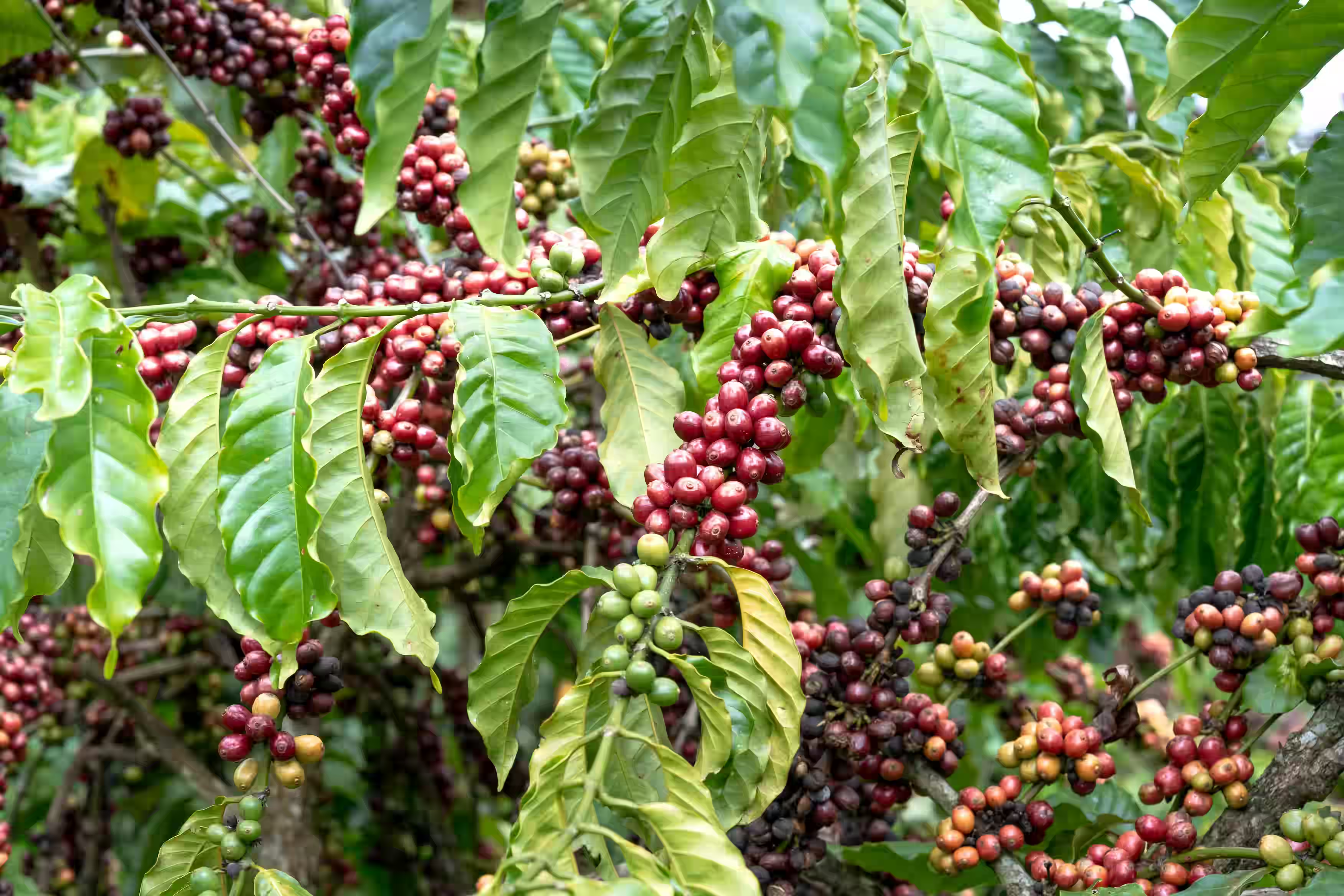
Best Chikmagalur Coffee in India
India's most storied coffee region, with a wide range of roast styles and processes across roasters.
Explore the Terroir
About the Region
Chikmagalur is where Indian specialty coffee begins. The district sits in the Western Ghats at elevations between 900 and 1,800 metres, high enough for slow cherry maturation and complex flavour development. Coffee arrived here in the 17th century, brought by Baba Budan from Yemen, and the region has been producing arabica continuously since. Today it's home to some of India's most celebrated estates, among them Yele Attikan, Hoysala, and Kelachandra, and the primary source of competition-grade Indian coffee.
In the cup & on the map
Quick facts to anchor flavour expectations, paired with the coffees below.
State / area
Karnataka
Elevation
700–1,500m
Known for
SLN 795 washed arabica, heritage estates
Terroir & Growing Conditions
Climate
Tropical, monsoon June–September, dry winters
Soil
Red laterite with humus
Altitude
700–1,500m
Varieties
S.795, Cauvery, SLN9
Rainfall
1,800mm a year
Harvest
November–February
Intercrops
Pepper, Areca nut
Area
1,06,654 ha under coffee (NRSC 2024, Sept 2024)
Chikmagalur coffees
Compare processes and roast levels across roasters. The same region produces very different cups depending on who's sourcing.


Ratnagiri Estate - Naturals, Dark Room - Medium-Light Roast
Kafeido
From ₹1,582 / 250g


Kalledevarapura Estate
Bili Hu
From ₹849 / 250g
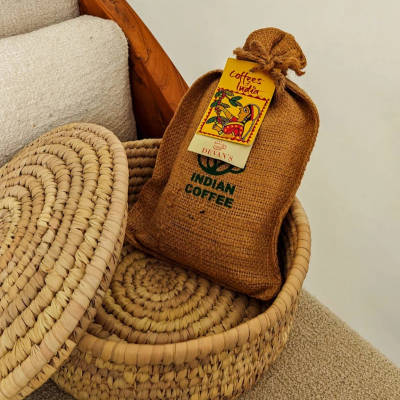
Arabica Plantation - AA Coffee
Devan's
From ₹500 / 250g


Filter Coffee Blend
Beachville Coffee Roasters
From ₹700 / 250g


Catalogue last refreshed .
In the Cup
Typical notes
Process Variation
Washed lots show maximum terroir clarity, and origin and varietal character come through cleanly. Natural lots from the same estates produce richer, fruit-heavy cups. Honey and anaerobic lots are increasingly common as producers experiment, and these command premium pricing and produce some of ICB's highest-rated coffees.
Roaster Sourcing
Chikmagalur is the most sourced Indian coffee region, and virtually every Indian specialty roaster has at least one Chikmagalur lot in their catalogue. Blue Tokai, Subko, Third Wave Coffee, Corridor Seven, and many others source consistently from the district. This broad sourcing base means you can compare the same region processed and roasted differently across multiple roasters, which is useful for understanding how producer and roaster decisions shape the cup.
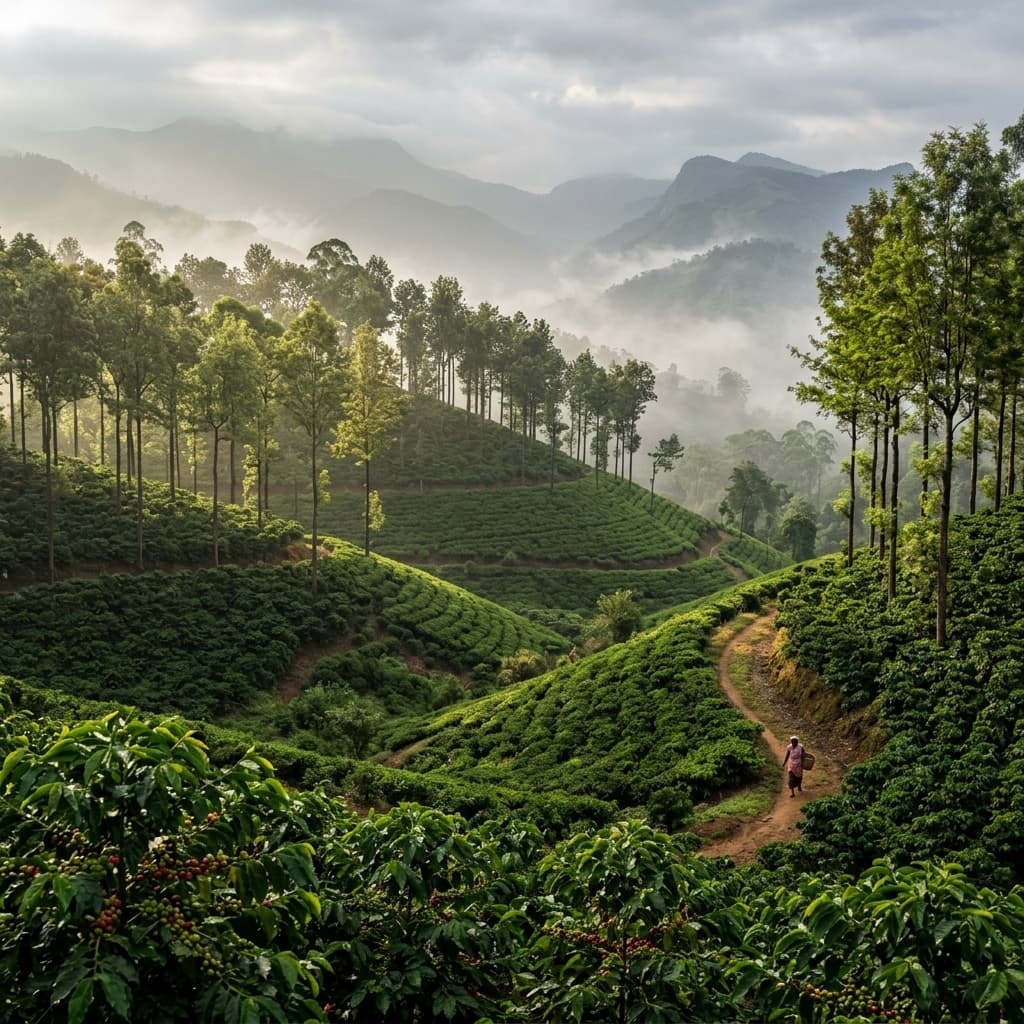
Indian Specialty Context
Washed Chikmagalur SLN 795 is India's benchmark specialty coffee: jasmine, peach, and clean citrus when roasted light, brown sugar and mild chocolate at light-medium. The region's high-altitude estates consistently produce India's most competition-worthy lots. Natural and honey lots from the same estates are more fruit-forward and heavier in body, the same terroir expressed differently through processing.
Brew Guidance
Washed Chikmagalur light roasts are ideally suited to V60 and Chemex, where the clarity of paper-filtered pour-over lets the jasmine and stone fruit come through cleanly. AeroPress works well for a slightly more concentrated version. Natural Chikmagalur lots suit French Press for full body, or V60 with a slightly coarser grind and lower temperature.
Explore Nearby Regions


Sourcing from Chikmagalur
Explore Indian coffee regions
Region guides, processing explainers, and brewing tips on the learn hub.
Read the Context.
The background behind what you are tasting, from our writing on Indian coffee.
About Chikmagalur coffee
What to expect from India's most celebrated coffee region.
Explore More.
Discover other ways to find your perfect coffee.
Coorg coffees
Kodagu-origin lots from roasters across India.
Wayanad coffees
Kerala highland lots from Indian specialty roasters.
The *light* end of the spectrum
Bright, acidic, and complex coffees roasted to preserve origin characteristics.
Washed process picks
Fermented and washed to remove mucilage before drying.