

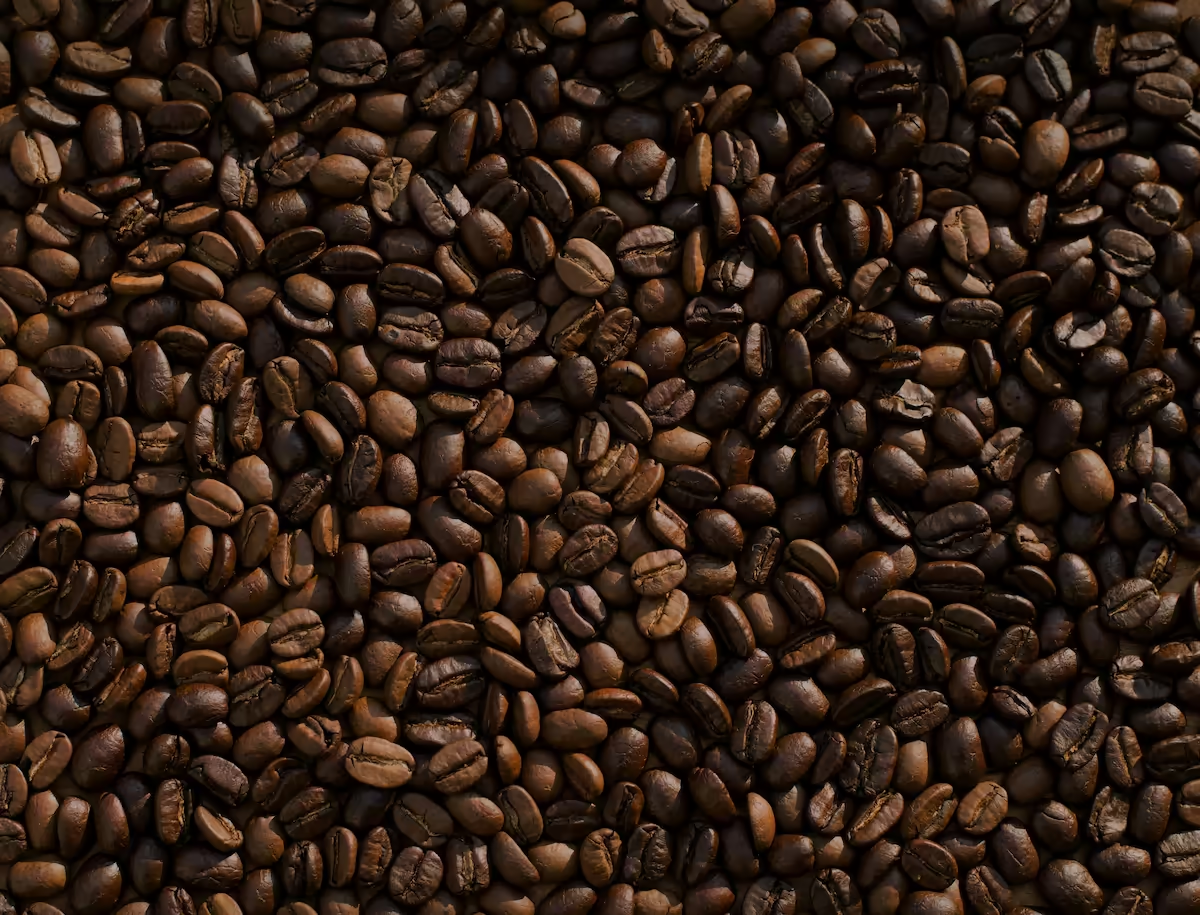
Best Natural Process in India
Expect pronounced fruit and fermentation-forward profiles when dialed in.
How this process works
From Cherry to Cup
- 01
Harvest
Ripe cherries are hand-picked and sorted by density, with floaters and unripes removed. Sorting quality at this stage determines everything that follows.
- 02
Dry whole
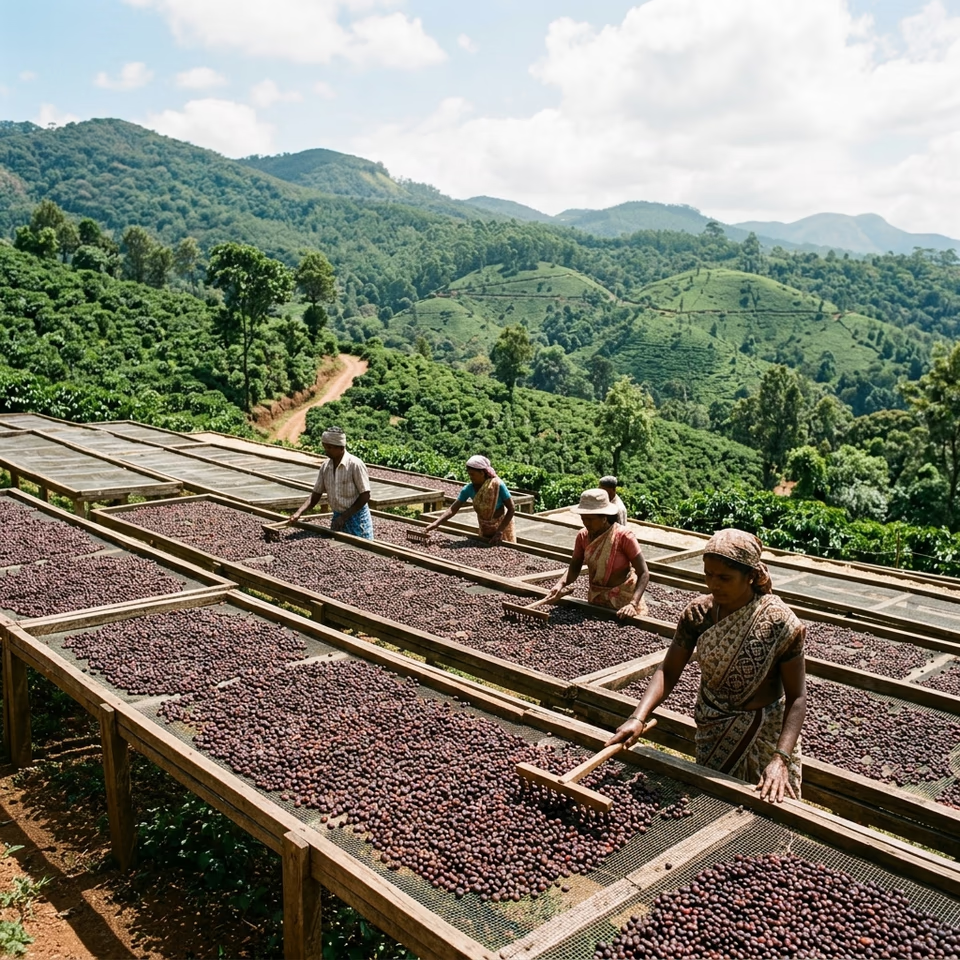
The entire cherry, skin, mucilage, fruit, and bean, is spread on raised drying beds or patios. Cherries are turned regularly over 3–6 weeks to prevent mould and ensure even drying.
- 03
Rest and hull
Once dried to target moisture content, the cherries rest before milling. The dried fruit husk is then removed mechanically to reveal the processed green bean inside.
In the cup
Flavour Profile
Typical notes
Indian naturals vary significantly by region and producer. Karnataka estate naturals, particularly from Chikmagalur and Coorg, tend toward ripe stone fruit, dark berry, and chocolate. Araku Valley naturals often show brighter tropical fruit. The challenge with Indian naturals is consistency: fermentation is harder to control in humid conditions, so quality varies more than washed lots from the same region. The best Indian naturals rival Ethiopian naturals in complexity; mediocre ones can taste muddy or over-fermented.
Process comparison
Natural vs washed: heavier body, lower perceived acidity, more sweetness, and more fermentation character. Natural vs honey: naturals are typically more intense, and honey process is the bridge between the two.
Indian Specialty Context
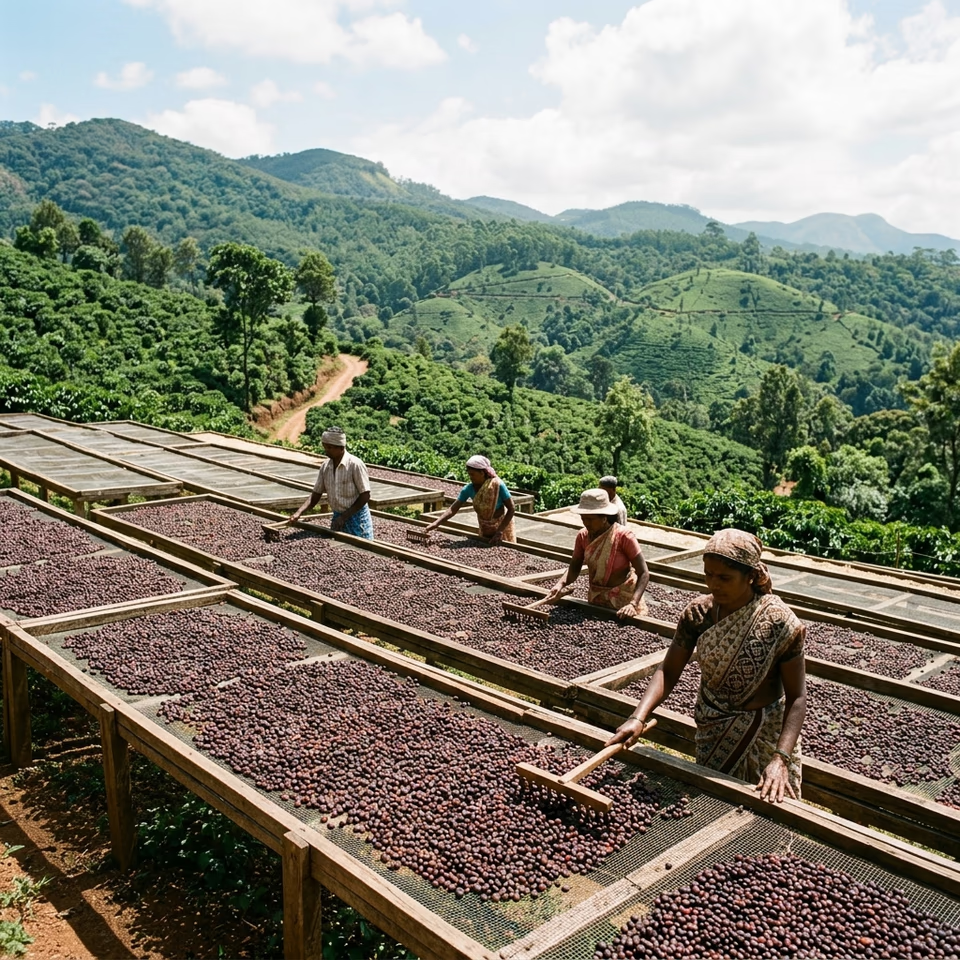
Natural processing has a long history in India, where it was the dominant method before wet processing infrastructure arrived. Today it's experiencing a revival in specialty. Chikmagalur, Baba Budangiri, and the Shevaroy Hills are the primary source of quality Indian naturals, with Ratnagiri, Orchardale, and Baarbara among the estates doing it consistently, and a growing number of small-lot producers experimenting with raised-bed drying. The humid coastal climate makes drying challenging, so producers who invest in covered or raised beds produce noticeably better naturals.
Brew Guidance
Recommended
Naturals extract faster than washed coffees, so grind slightly coarser than your usual setting and watch brew time carefully. On pour-over, a slower first pour and longer bloom (45 seconds) helps manage the intense sweetness. French Press suits heavy-body naturals well, since the metal filter keeps the richness in the cup. Cold brew suits medium and medium-dark naturals, where chocolate and berry sweetness come through smooth and low-acid. Avoid very high water temperatures on light roast naturals; 90–93°C tends to balance fruit and sweetness better than 96°C.
Natural process picks
Grind a touch coarser if shots run slow, since naturals can extract quickly on pour over.

Ratnagiri Estate - Naturals, Dark Room - Medium-Light Roast
Kafeido
From ₹1,582 / 250g

Yellow Bourbon
Monsoon Coffee Co.
From ₹475 / 250g


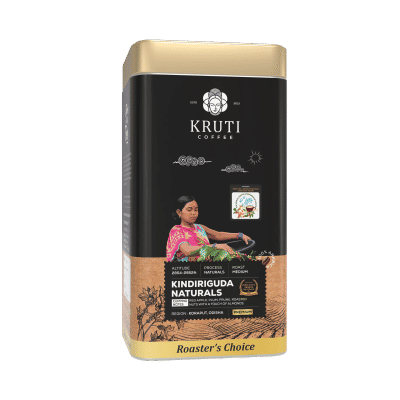
Kindiriguda Naturals
Kruti Coffee
From ₹750 / 250g


Meghalaya Jk Microlot
7000Steps Coffee
From ₹999 / 250g

Dhak Blend
Blue Tokai Coffee
From ₹650 / 250g


Catalogue last refreshed .
Indian coffee processing guide
How natural, washed, honey, and anaerobic processing affects flavour in Indian specialty coffees.
Read the Context.
The background behind what you are tasting, from our writing on Indian coffee.
About natural coffee
How natural processing shapes flavour in the cup.
Explore More.
Discover other ways to find your perfect coffee.

Honey process picks
Profiles between washed and natural with signature sweetness.
Washed process picks
Fermented and washed to remove mucilage before drying.
The *light* end of the spectrum
Bright, acidic, and complex coffees roasted to preserve origin characteristics.