

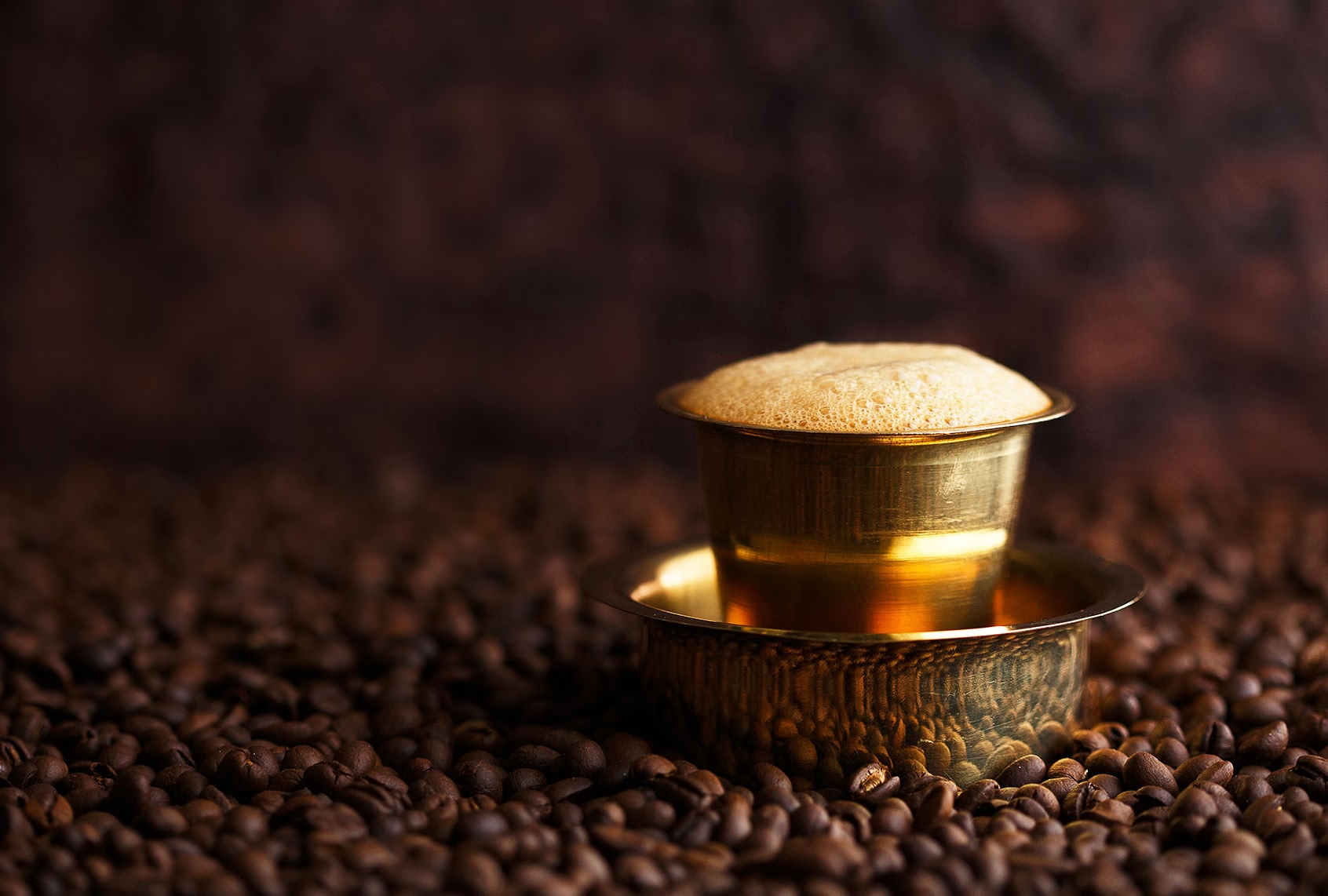
Best Coffees for South Indian Filter in India
The quintessential Indian brewing method: rich, intense, and meant to be enjoyed with milk.
Starting parameters
Grind
Very fine
Between espresso and Turkish
Ratio
1:4 (for decoction)
Brew time
15–20 min
How this brewer behaves
Mechanism
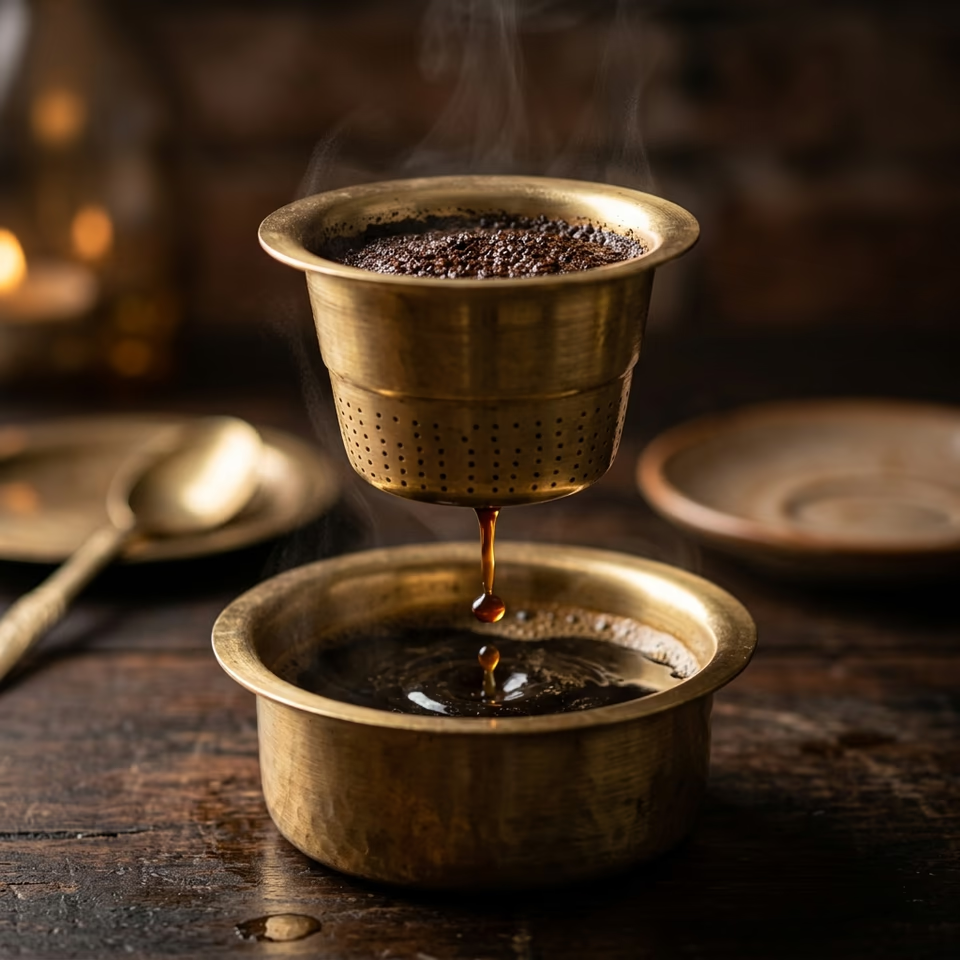
Slow gravity drip extraction
Filter
Metal perforated disc with an umbrella plunger, allowing full oils and fine sediment through
How it works
Finely ground coffee (sometimes mixed with chicory) is placed in the upper chamber of an Indian metal filter. Hot water is poured over an umbrella plunger which evenly distributes the water. The coffee slowly drips into the lower chamber over 15–20 minutes, yielding a thick, concentrated 'decoction'.
Why it stands out
Produces incredibly heavy-bodied, low-acid coffee with a strong punch that cuts seamlessly through milk and sugar. It is the traditional and authentic way coffee has been consumed in South India for generations.
Indian Specialty Context
The South Indian filter is deeply rooted in local culture. While traditionally dominated by dark-roasted robusta and chicory blends (like 80/20 or 70/30), modern Indian specialty roasters are now offering 100% specialty arabica blends tailored for the filter. High-quality washed arabica from Karnataka mixed with premium robusta makes a smoother filter coffee without the harsh bitterness of commercial blends. For absolute traditionalists, Monsooned Malabar adds the heavy body and low acidity needed to create the classic, syrupy decoction.
Common Mistakes
Roast Pairing Guide
Also Works
Avoid: Light roasts. The slow extraction and traditional milk pairing will completely mask any delicate fruity or floral notes, resulting in a thin and flat cup.
Related Brewers
Decoction-ready filter blends
Look for traditional blends (often with chicory) for that nostalgic café style.
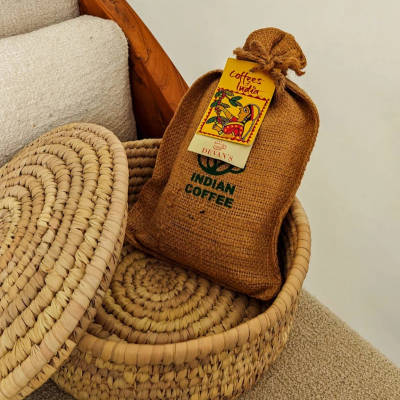
Arabica Plantation - AA Coffee
Devan's
From ₹500 / 250g

Yellow Bourbon
Monsoon Coffee Co.
From ₹475 / 250g


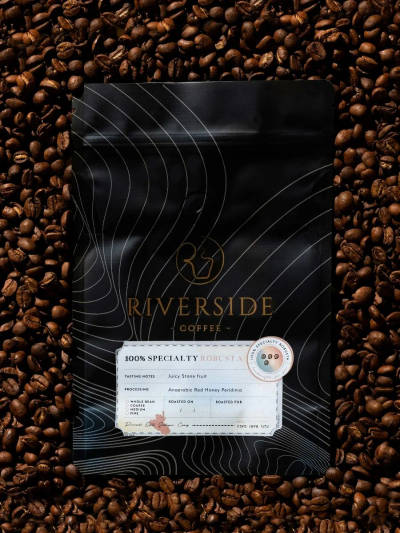
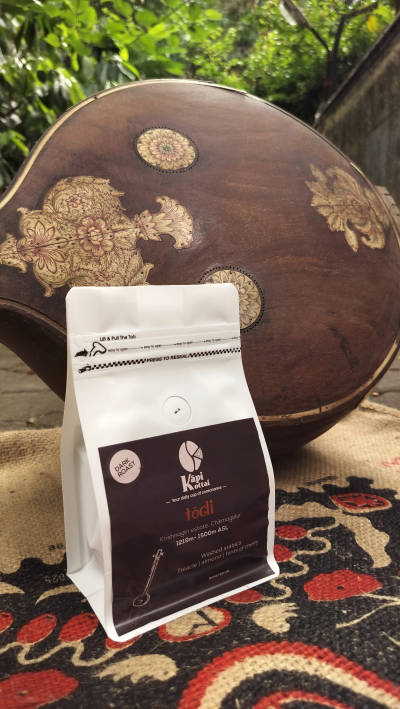



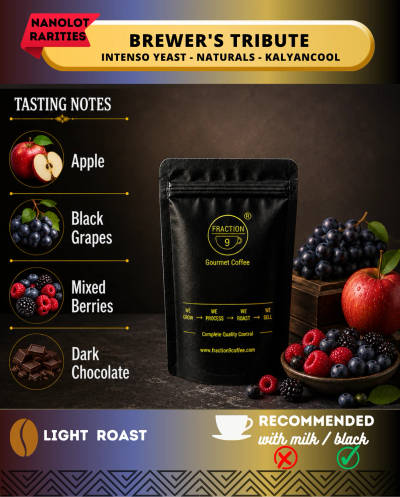

Catalogue last refreshed .
Brew like a pro
Traditional South Indian Filter
by Traditional Origin
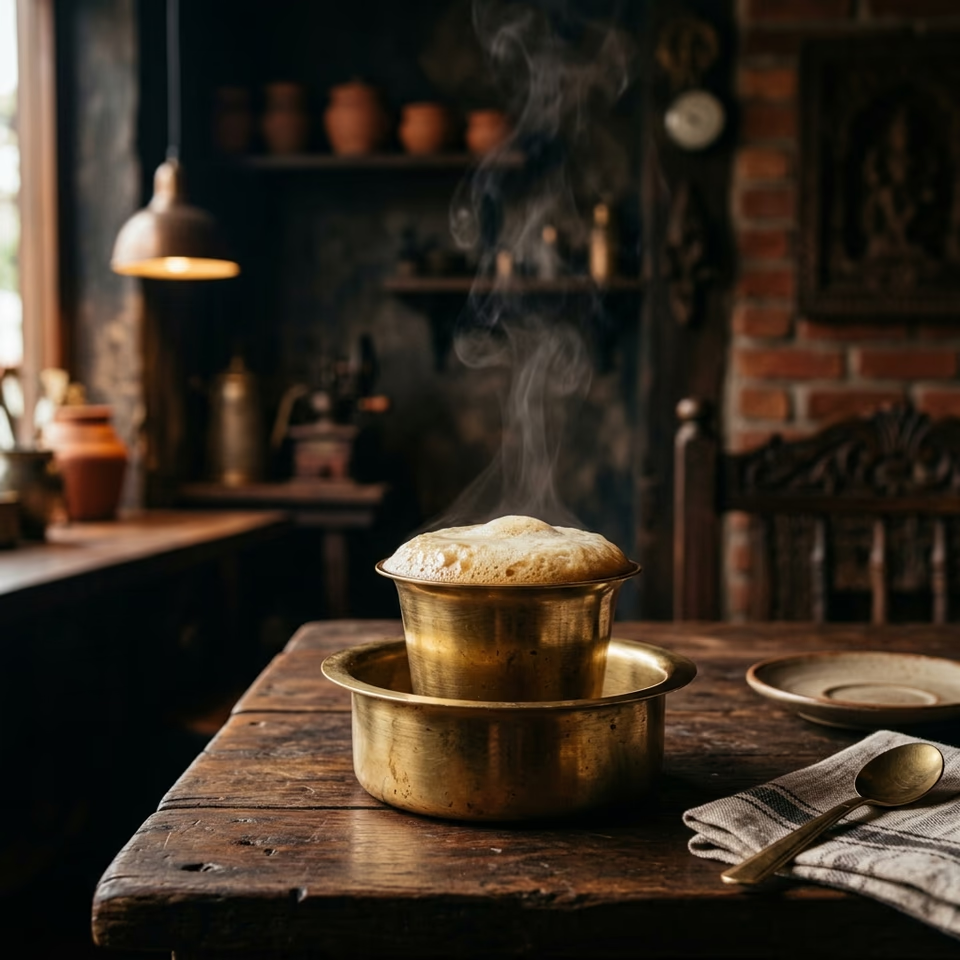
Slow dripping decoction, traditionally frothed using a 'dabarah' and tumbler
A very fine grind and patience are what the thick decoction needs.
Filter Coffee Guide
The traditional method for a thick, slow-dripped decoction.
Read the Context.
The background behind what you are tasting, from our writing on Indian coffee.
Brewing South Indian Filter
Chicory, grind, drip time, and serving it the traditional way.
Explore More.
Discover other ways to find your perfect coffee.
Deep, dark, and *low-acid*
Low-acid, heavy-bodied cups, from specialty bittersweet to traditional South Indian boldness.
Bold without the *char*
Richer, rounder profiles for espresso, French Press, and milk drinks.
Stovetop strength for the *Moka Pot*
Bold, concentrated lots that hold their nerve under steam pressure.
Full-bodied for the *French Press*
Heavy-bodied, oily, low-acid lots built for a long immersion.