

Best Robusta in India
Pull espresso at 90–92°C with a slightly coarser grind than Arabica. Robusta's bitterness softens and the crema thickens.
What this bean type is
At a Glance
- Caffeine
- Higher (~2.2–2.7%)
- Body
- Heavy, full
- Acidity
- Low
- Best for
- Espresso, filter coffee, milk drinks
Typical notes
India is the world's second-largest Robusta producer (after Vietnam) and its Robusta has a strong global reputation: 'Indian Kaapi Royale' and Monsooned Robusta are recognised names in the international export trade. Most Indian Robusta grows in Karnataka and Kerala at 600–1,000m, lower than Arabica's elevation band. The profile is classic Robusta at commodity level (earthy, grainy, bitter), but the shift toward fine Robusta is changing perceptions. A growing number of estates are applying specialty processing (washed, honey, natural, even anaerobic) to carefully sorted Robusta, producing clean, sweet, low-bitterness cups: dark chocolate, hazelnut, and a smooth syrupy body with none of the harsh rubber or burnt grain of carelessly processed commodity lots.
Bean types at a glance
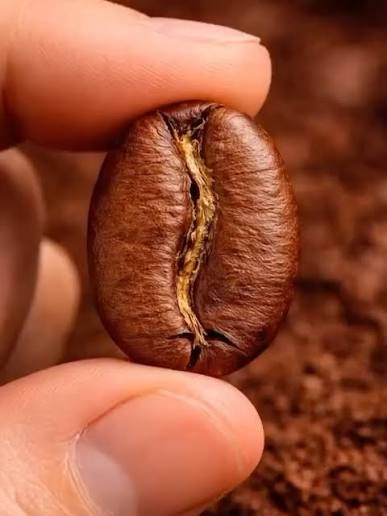
Arabica
Flatter, oval bean with a curved center crease.
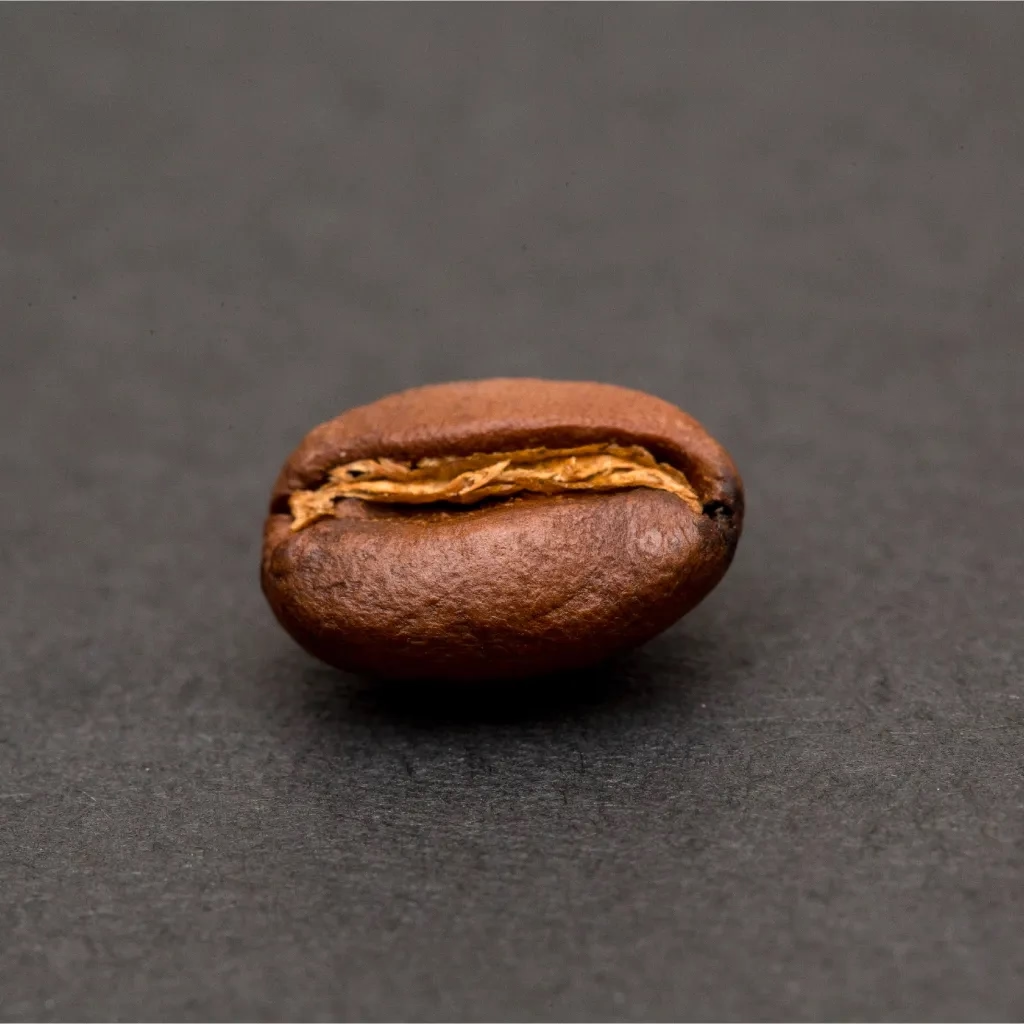
Robusta
Rounder, smaller bean with a straight crease.
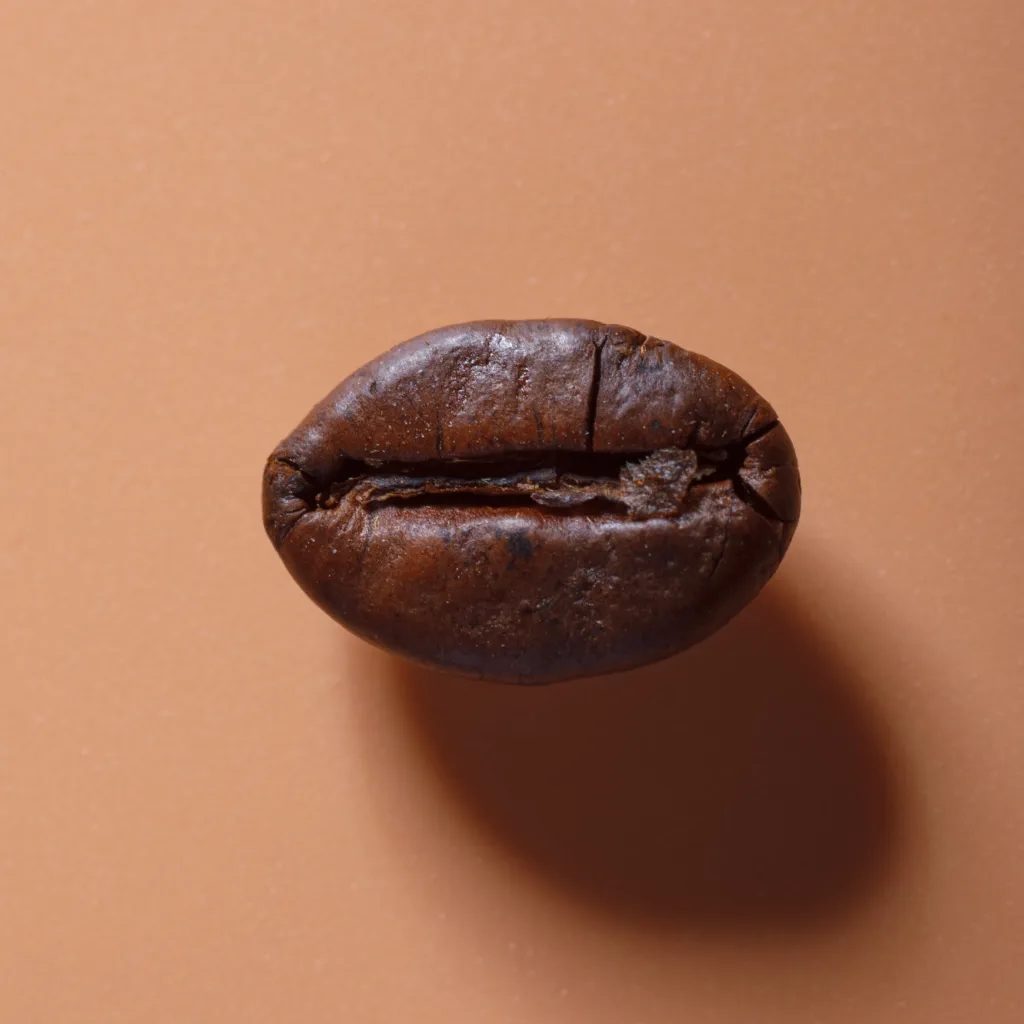
Liberica
Large, asymmetric almond-shaped bean.
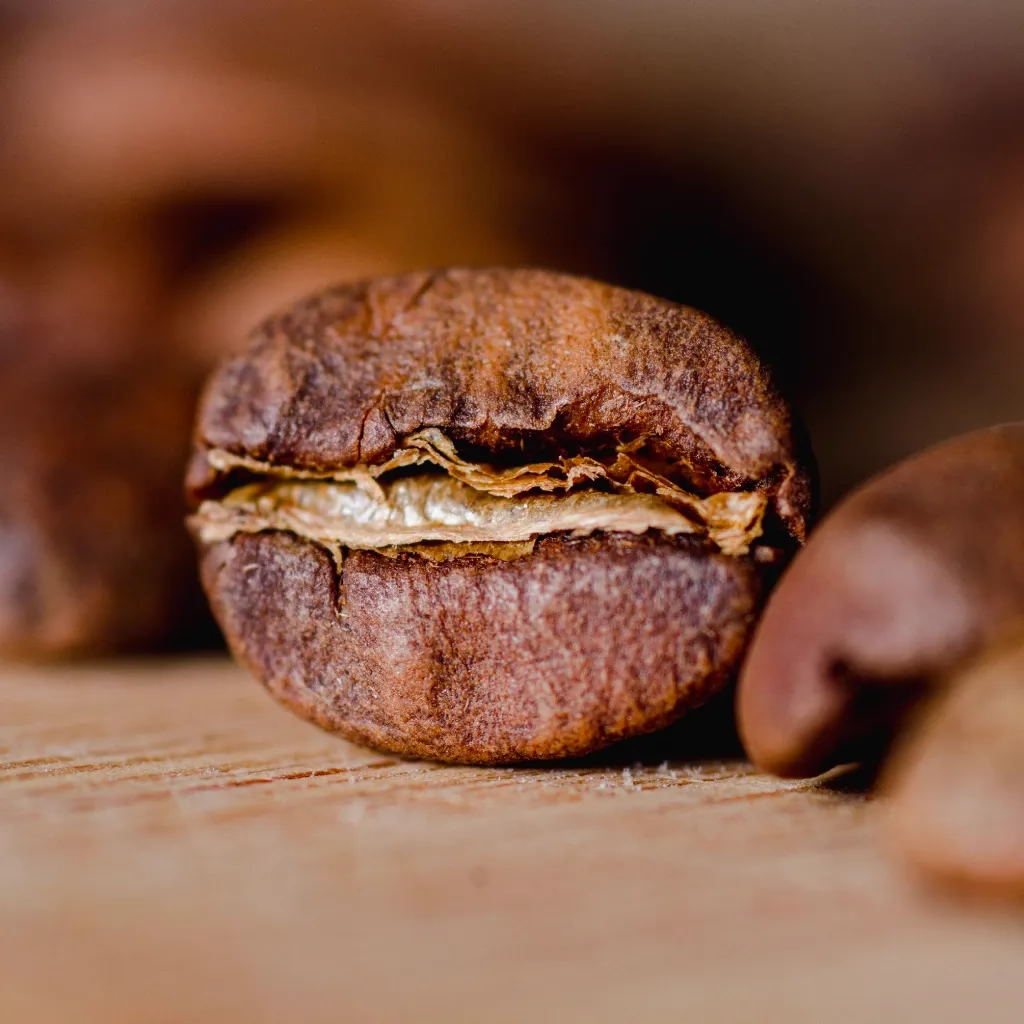
Excelsa
Smaller Liberica-family bean, teardrop shaped.
Also browse
Key Varieties
S274 (SLN 274)
Full-bodied, chocolatey, and low in acidity with thick crema. The benchmark Indian Robusta flavour.
India's most widely planted Robusta selection, developed at the Central Coffee Research Institute. Hardy, high-yielding, and drought-tolerant: the estate workhorse.
CxR (Congensis × Robusta)
Smoother, sweeter, and rounder than standard Robusta, with less harshness. A clear step up in cup quality.
An interspecific hybrid bred at CCRI for finer cup, disease resistance, and vigour. Increasingly chosen by estates targeting fine Robusta.
Old Peradeniya
Bold and heavy with a robust, earthy backbone. A traditional, full-bodied profile.
A heritage Robusta selection (named after Peradeniya, Sri Lanka) still grown on older South Indian estates.
Congensis
Milder and softer than Robusta, with gentler body, usually grown alongside or blended with Robusta rather than on its own.
Coffea congensis, a close Robusta relative and the other parent of CxR. Suited to low, wet, even flood-prone ground.
Indian Coffee Context
Robusta is the workhorse of Indian coffee, the majority of the country's production by volume, and the backbone of both the export trade and traditional South Indian filter coffee. For decades it was treated purely as a commodity, graded and exported in bulk. That's changing: fine Robusta processed with specialty care is now appearing from progressive estates in Karnataka's Kodagu and Hassan districts, and roasters are starting to list single-estate Robusta on its own merits rather than only as a blend component. The Coffee Board of India's quality programmes and international competitions like Cup of Excellence's Robusta category have given Indian producers new incentives to invest in Robusta quality.
Brew Guidance
Recommended
Robusta is built for body and crema. It excels in espresso, where it adds thick, persistent crema and a caffeine kick. Pull at 90–92°C (lower than Arabica's 93–96°C) with a slightly coarser grind and a 1:2–1:2.5 yield ratio to keep bitterness in check. For South Indian filter coffee, use a fine grind and boiled water through the metal filter, then mix the decoction 1:1 with hot milk and sugar; the Robusta body stands up to dilution. Moka Pot at a medium grind produces strong, low-acid cups at home. French Press works well with a 4-minute steep and coarse grind, since the metal filter preserves the heavy body. As a black pour-over Robusta can taste flat and bitter. It's happiest with milk, under pressure, or in a blend.
Roast Pairing
Best Match
Also Works
Avoid: Light roast Robusta is rarely pleasant: the low acidity and heavy body need roast development to show their best. Under-roasted Robusta tastes grainy, astringent, and vegetal.
Common Mistakes
Compare Bean Types
Robusta brings body and nearly double the caffeine where Arabica brings aromatics and acidity, so they're complementary rather than competing. Most Indian blends combine the two: Arabica for aroma and sweetness, Robusta for strength and crema. With chicory added, a Robusta-dominant blend forms the classic South Indian filter coffee base. If you want Robusta's body but more nuance, look for fine or specialty-processed Robusta lots.
Top Robusta picks
Robusta shines in espresso and milk drinks, with dark chocolate and crema that cut through steamed milk. Try it where body matters.
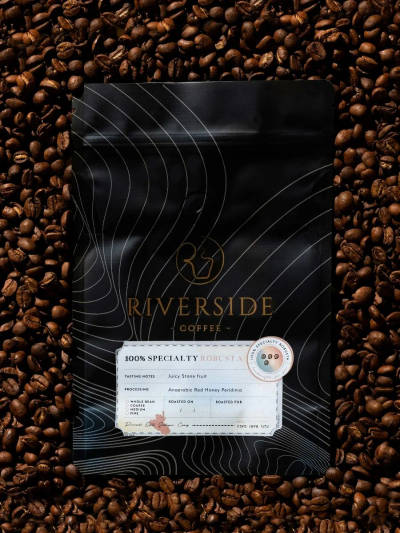
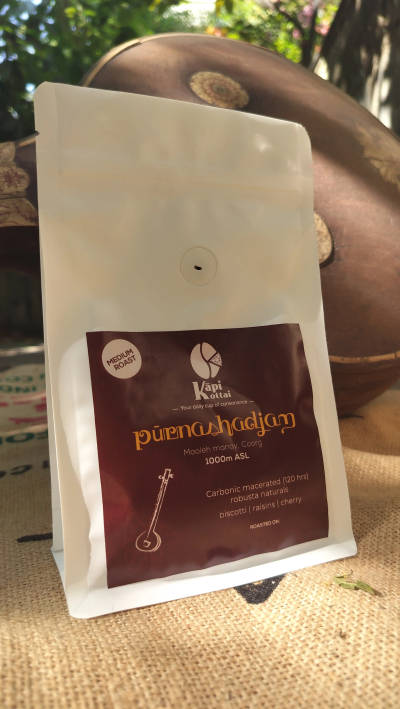

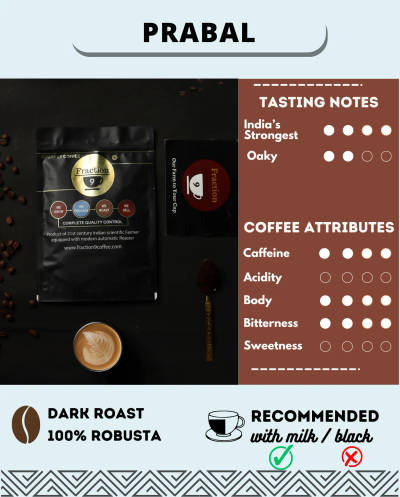



Catalogue last refreshed .
Fine Robusta explained
How specialty processing is transforming Indian Robusta from commodity to craft.
Read the Context.
The background behind what you are tasting, from our writing on Indian coffee.
About Robusta coffee
India's underrated specialty Robusta.
Explore More.
Discover other ways to find your perfect coffee.
Top Arabica picks
High-grown Indian Arabica lots, sorted by community rating.
Top blend picks
Arabica–Robusta and house blends, sorted by community rating.
Top chicory mix picks
Coffee–chicory blends and filter coffee mixes, by rating.
Built for the *shot*
Crema, body, and balance that hold up under nine bars of pressure.
Decoction-ready *filter* blends
Robusta-arabica blends and traditional dark roasts for a proper decoction.