

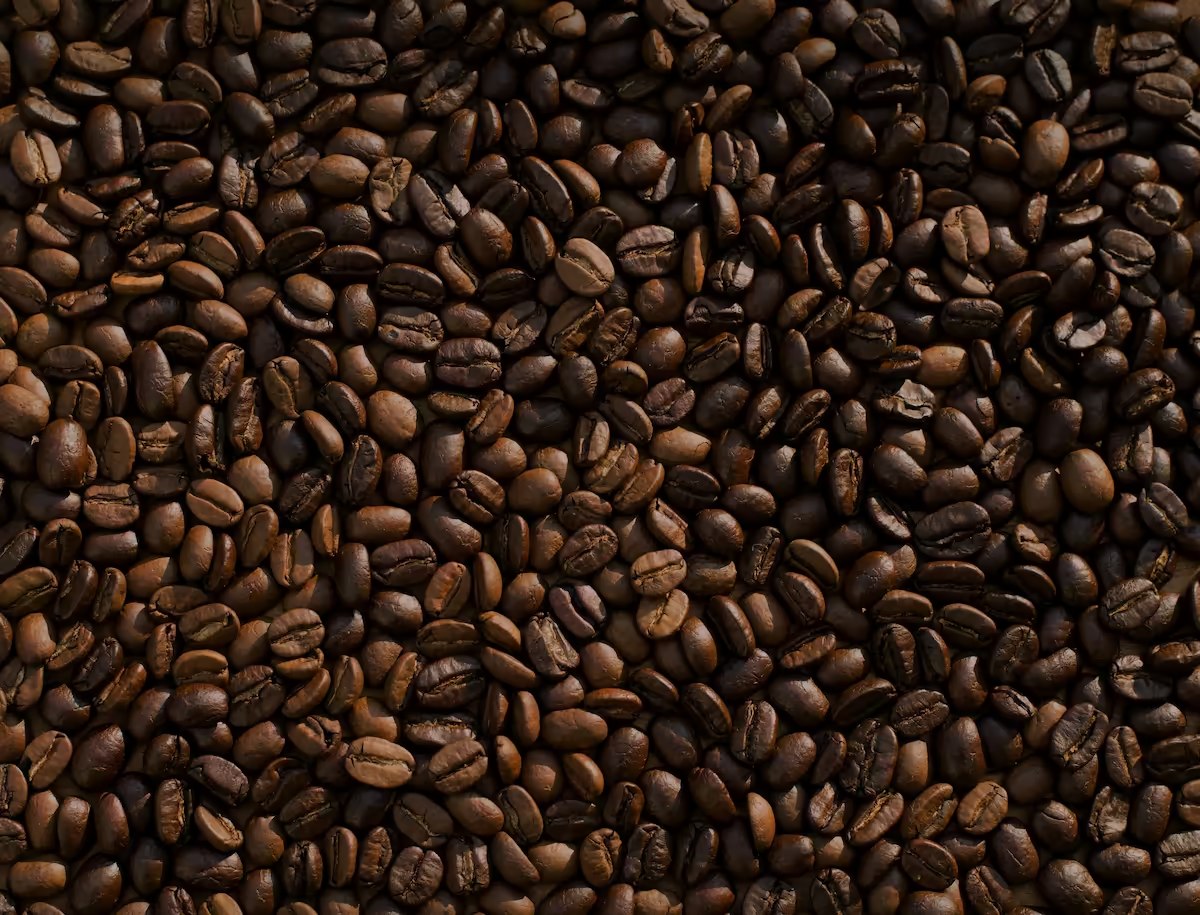
Best Excelsa in India
Excelsa is tarter and fruitier than Liberica. Try it on AeroPress at 90°C to tease out the wine-like notes.
What this bean type is
At a Glance
- Caffeine
- Low (~1.0–1.2%)
- Body
- Medium to full
- Acidity
- Tart, bright
- Best for
- Blends, curiosity, immersion
Typical notes
Excelsa (classified as Coffea liberica var. dewevrei, though many trade catalogues list it as a separate species) is botanically part of the Liberica family but cups quite differently: tarter, fruitier, and more wine-like, with a dark complexity and bright acidity that Liberica lacks. In Southeast Asia, where most Excelsa is grown, it's valued as a blend component: 5–20% Excelsa in an Arabica or Robusta blend adds a tart, dark-fruit complexity that neither species can produce alone. Some Vietnamese producers use it as the 'secret ingredient' in their signature blends. In India, Excelsa barely registers in commercial production, where Mooleh Manay Estate and Dimbada Estate in Kodagu are effectively the whole story. Indian Excelsa is a genuine rarity, but the species is gaining attention globally as specialty roasters look beyond Arabica and Robusta.
Bean types at a glance
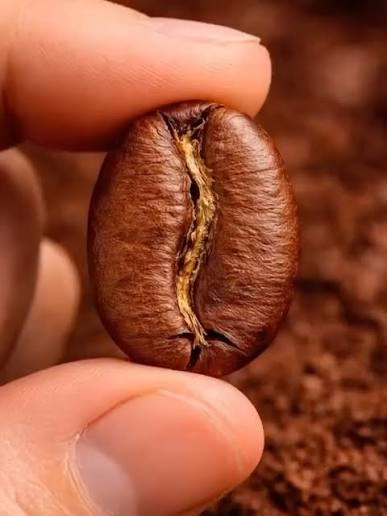
Arabica
Flatter, oval bean with a curved center crease.
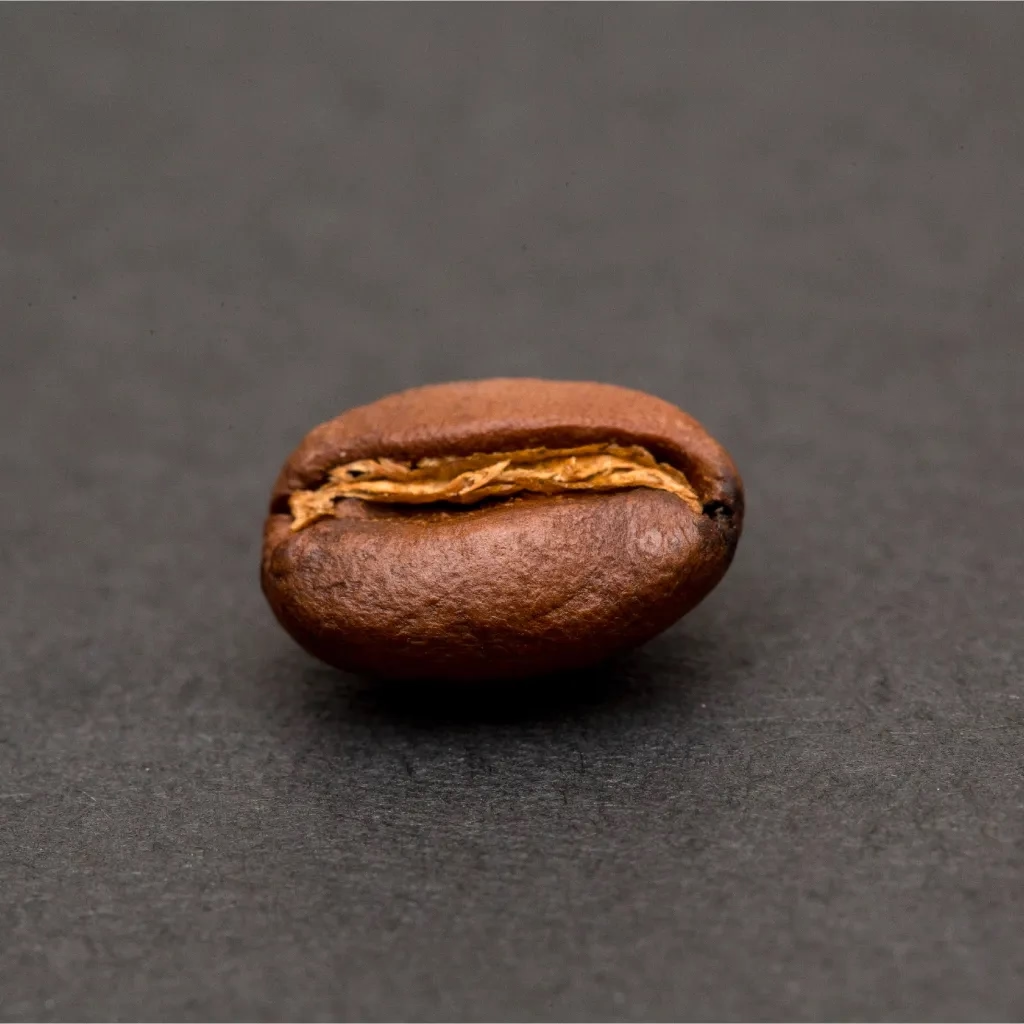
Robusta
Rounder, smaller bean with a straight crease.
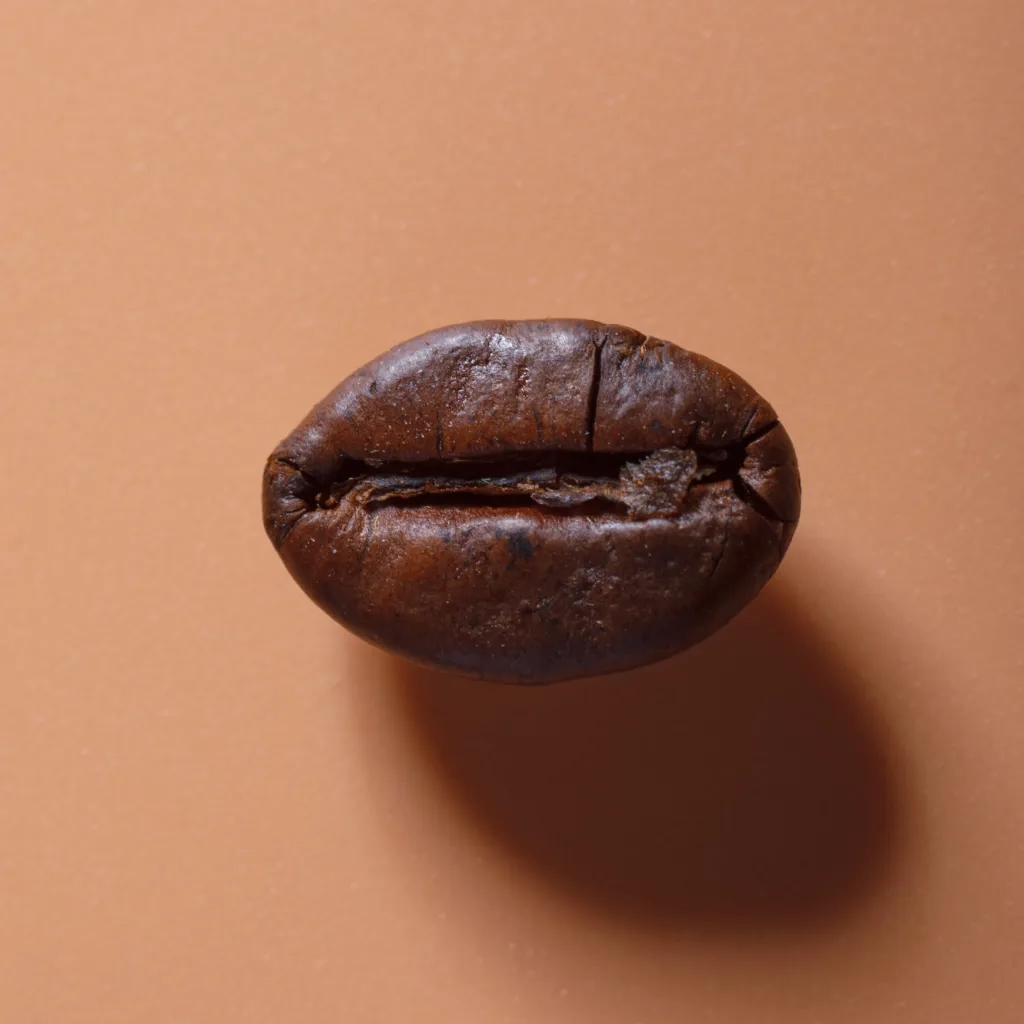
Liberica
Large, asymmetric almond-shaped bean.
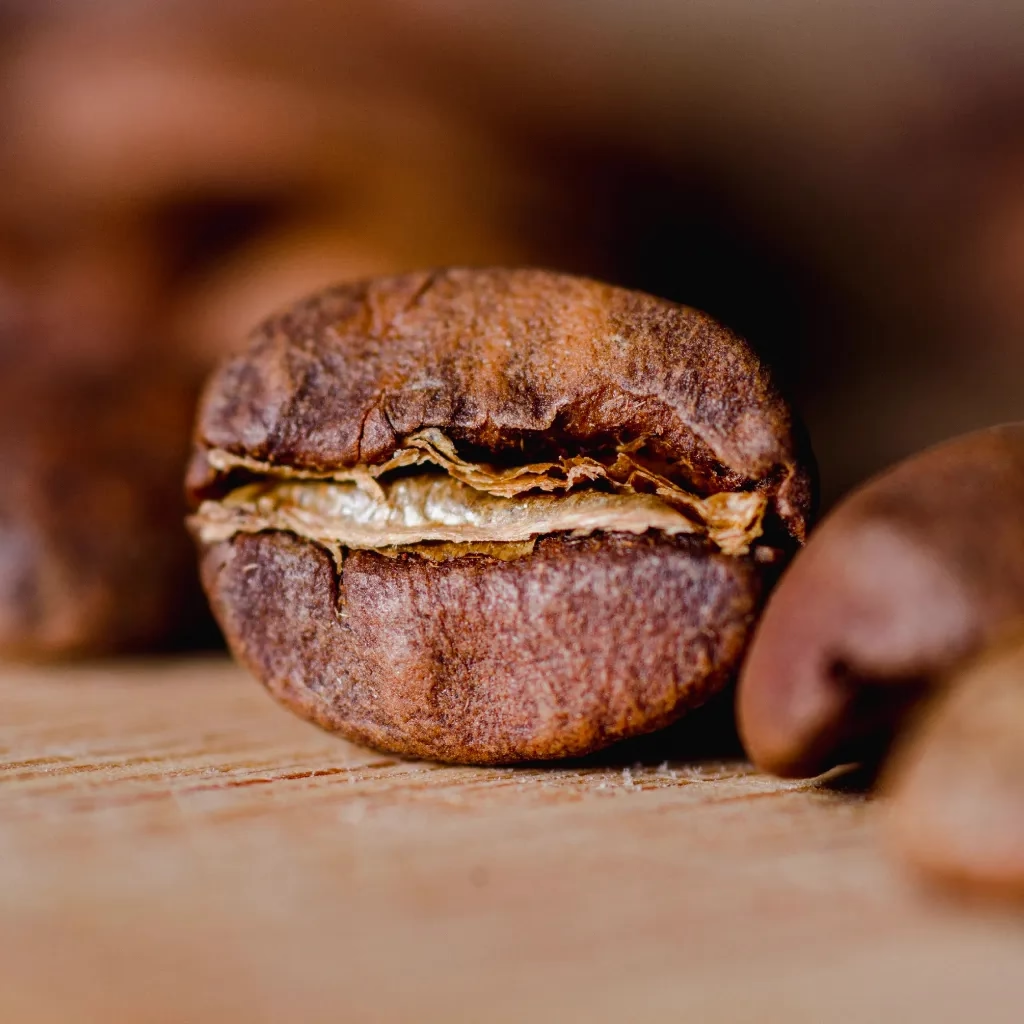
Excelsa
Smaller Liberica-family bean, teardrop shaped.
Also browse
Indian Coffee Context
Excelsa has a negligible commercial presence in India. The country's coffee is dominated by Arabica and Robusta, and Excelsa, like Liberica, is absent from Coffee Board production statistics. It exists only in scattered plantings at research stations and adventurous estates, and Mooleh Manay and Dimbada in Kodagu are the ones that reach roasters. Treat any Indian Excelsa offering as a rare find and a chance to taste a species almost nobody in India has encountered. Globally, Excelsa is gaining interest: Southeast Asian producers in the Philippines and Vietnam are beginning to apply specialty processing to Excelsa, and it featured in international cupping competitions for the first time in the early 2020s.
Brew Guidance
Recommended
Excelsa's tart, fruity character can take more brewing approaches than Liberica, because its brighter acidity makes it less one-dimensional. AeroPress (90°C, 1:14 ratio, 90-second inverted steep with a metal filter) handles the body while preserving the tartness. French Press (coarse grind, 92°C, 4 minutes) lets the dark fruit and wine-like complexity fill out. A careful V60 (medium grind, 90–93°C, slow pour) can tease out the bright, wine-like fruit if the roast isn't too dark. This is the one rare species where pour-over can actually work. It's most commonly used in small proportions (5–20%) in blends to add complexity rather than brewed alone.
Common Mistakes
Compare Bean Types
Excelsa and Liberica are siblings, both in the Liberica botanical family, but the cup difference is significant. Liberica is smoky, savoury, and heavy; Excelsa is tart, fruity, and brighter, with acidity closer to a natural-process Arabica than to Liberica proper. Excelsa works better in blends because its tartness adds contrast; Liberica is better as a standalone curiosity. Both are worlds apart from standard Arabica or Robusta.
Excelsa picks
Treat Excelsa like an intense natural-process coffee: slightly coarser grind, lower temperature, and attention to brew time.




Catalogue last refreshed .
Coffee species explained
Arabica, Robusta, Liberica, Excelsa: how the four commercial species differ in cup, cultivation, and character.
Read the Context.
The background behind what you are tasting, from our writing on Indian coffee.
About Excelsa coffee
The tart, fruity cousin of Liberica.
Explore More.
Discover other ways to find your perfect coffee.
Liberica picks
Rare Liberica lots, if and when Indian roasters list them.
Top blend picks
Arabica–Robusta and house blends, sorted by community rating.
Top Arabica picks
High-grown Indian Arabica lots, sorted by community rating.
Natural process picks
Lots where the fruit stayed on the bean longer for intense sweetness and complexity.