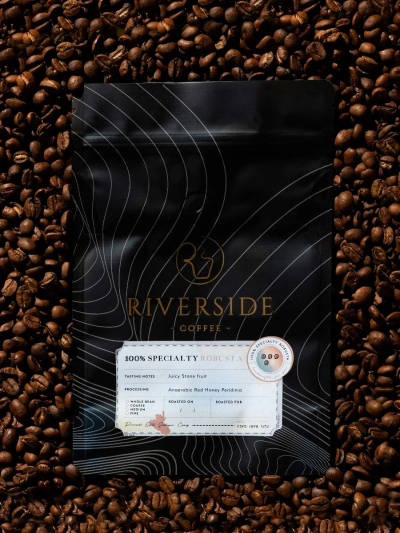
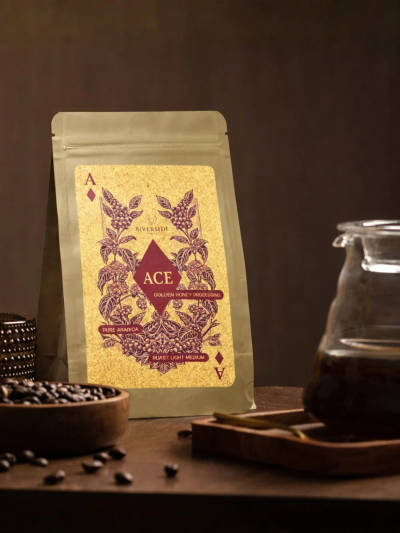
100% Speciality Arabica Coffee
Unrated
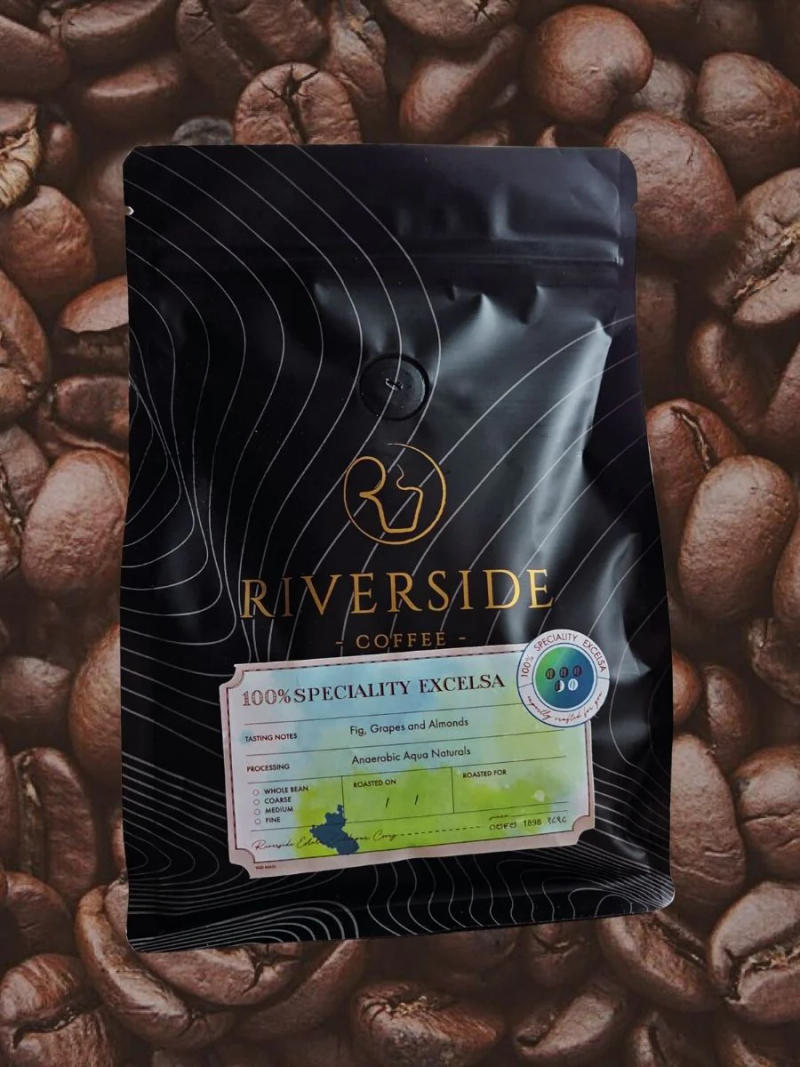

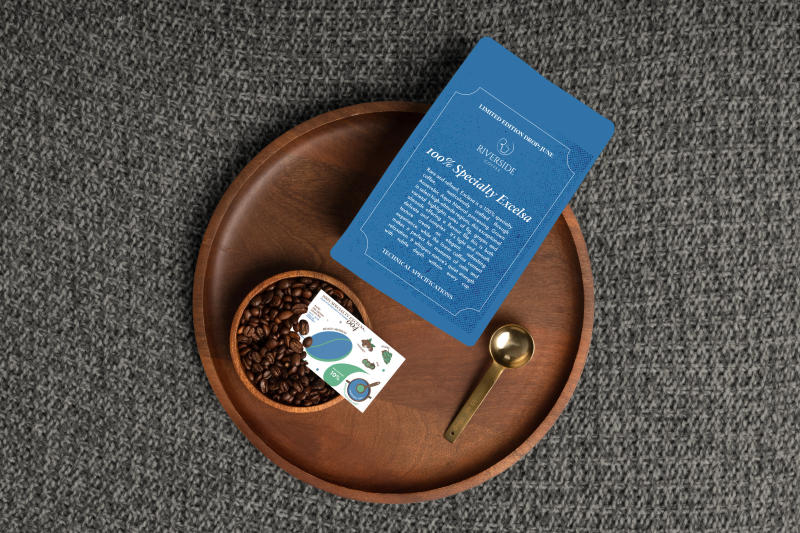
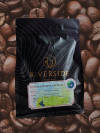


Meet Excelsa coffee, also called Mara Kaapi in the local language. This relatively unique and sparsely grown species stands tall, literally growing like a tree! We're excited to be the first to offer you this amazing, inherently climate-resilient coffee. To highlight its best qualities, we've used a natural process that includes a unique 48-hour underwater fermentation—this really amplifies its inherent fruity notes. Roasted to a medium level, every cup delivers a balanced and pronounced flavor profile. Slay Coorg Blend: All our coffees are sourced from our own farm located in Coorg, End-to-end processing of these coffees are done on the farm itself, to offer truly fresh produce. Select your grind size according to your brewing equipment. Sourced Better, Roasted Better, Brewed Better: We offer top-notch freshly ground coffee made from carefully selected beans that are selected from across India's Southern Coffee Belt and then roasted using advanced techniques to bring out the most in each bean. Hand Picked, Shade-Dried, Anaerobically Fermented, Freshly Roasted: All coffee beans are roasted in small batches a few times a week. You get a richer taste, better aroma and a great cup of coffee.
With milk?

Processing & Flavors
One in five coffees in ICB's catalog now carries an experimental process tag. This is a reference guide to the four categories (anaerobic, carbonic maceration, double fermented, and experimental), covering how each works at the fermentation level, which Indian estates and regions produce them, and what the catalog data says about their flavor patterns.

Processing & Flavors
Carbonic maceration is the most widely misused term in Indian specialty coffee. It is a specific sub-type of anaerobic fermentation, not a synonym for it, and the distinction shows up in the cup. This field guide maps what CM is, where it happens in India, and what to expect from the 28 Indian coffees that carry the label.

Processing & Flavors
Every coffee ferments — the variable is how. Understanding the microbial chemistry behind washed, natural, and anaerobic processing explains why the same estate can produce a clean chocolate cup and a grape-forward lot from the same harvest. This article maps the mechanism to the label, with data from ICB's catalog of 1,238 Indian coffees.