Best Single Origin in India
Brew clean and precise. 15g to 250ml at 93°C on a V60 lets the estate character speak without interference.
What this bean type is
At a Glance
- Sourcing
- One estate or region
- Traceability
- High: estate, variety, process
- Character
- Terroir-driven, seasonal
- Best for
- Pour-over, tasting, exploring origin
Typical notes
Single origin is where Indian specialty coffee makes its case internationally. A single-origin lot comes from one estate (or one tightly defined region) and isn't blended with anything else, so altitude, variety, soil, and processing show through unmasked. The flavour range across Indian single origins is wider than most people expect: washed SLN 795 from Baba Budangiri at 1,400m tastes like jasmine and bergamot; natural Cauvery from a Coorg estate at 1,100m tastes like ripe plum and dark chocolate; anaerobic lots from Ratnagiri and Melkodige taste like tropical fruit and red wine. Indian single origins change with the harvest, and each crop year brings variation, so they're seasonal by nature, unlike the year-round consistency of a house blend. The best lots sell out within weeks of release.
Bean types at a glance
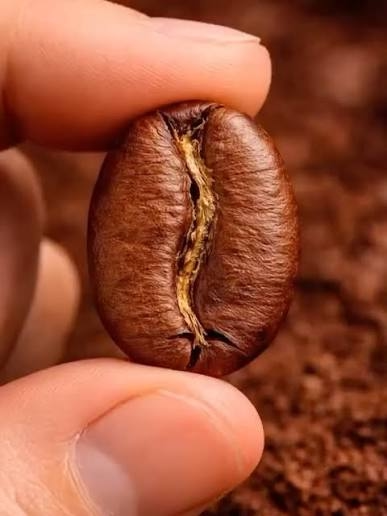
Arabica
Flatter, oval bean with a curved center crease.
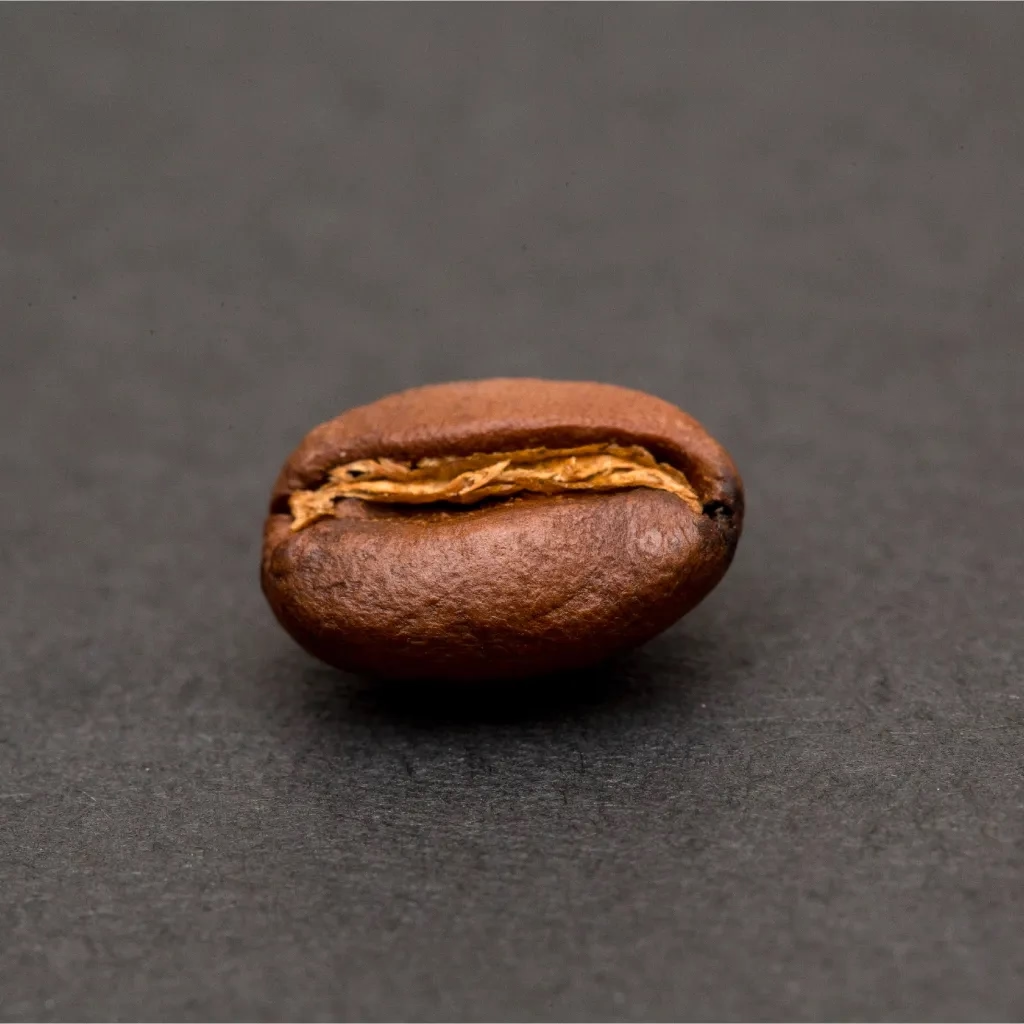
Robusta
Rounder, smaller bean with a straight crease.
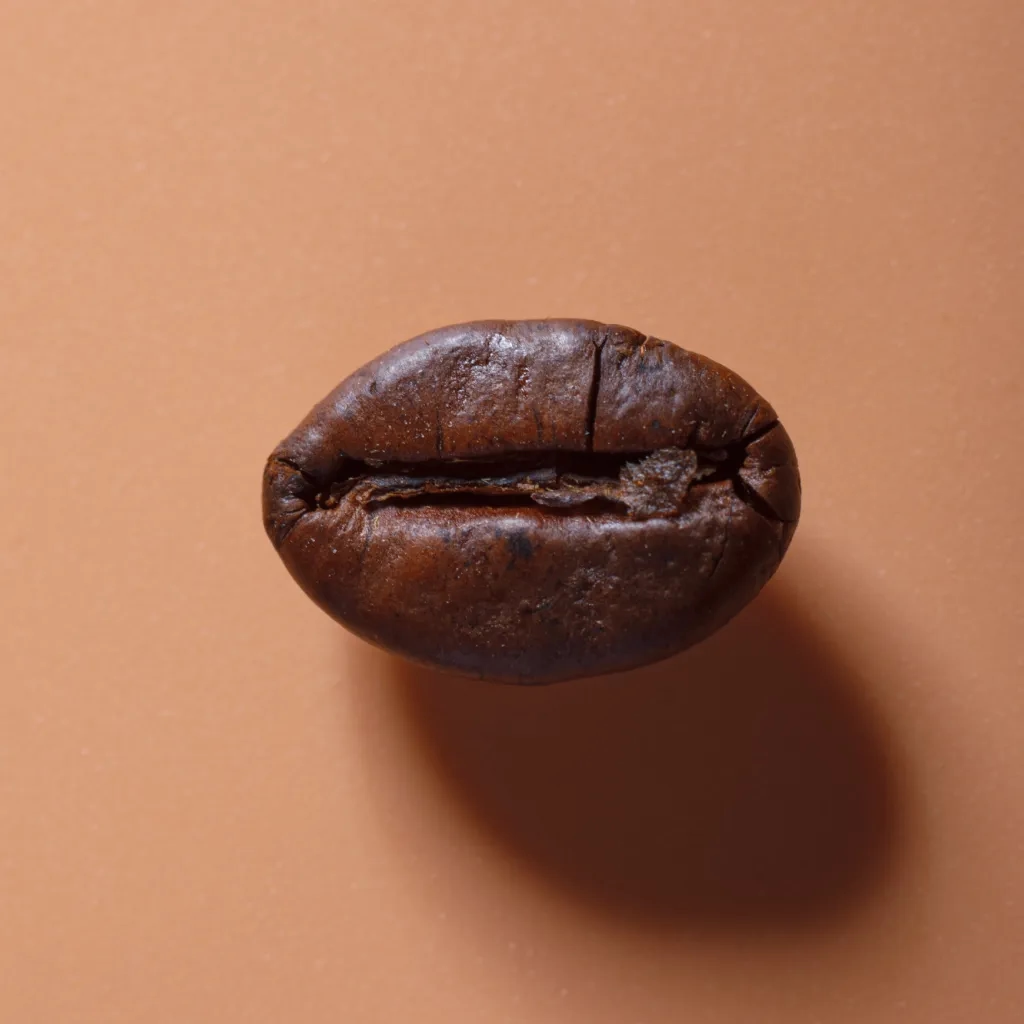
Liberica
Large, asymmetric almond-shaped bean.
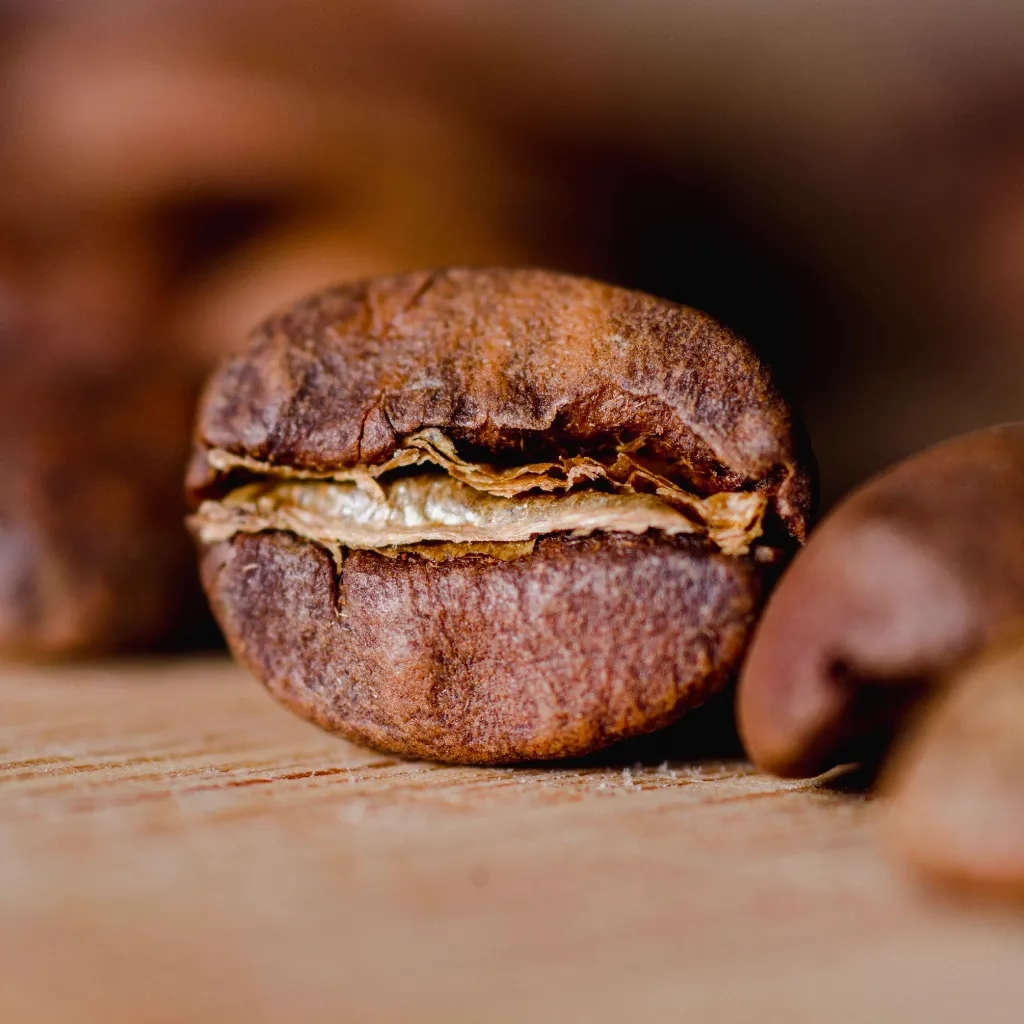
Excelsa
Smaller Liberica-family bean, teardrop shaped.
Also browse
Indian Coffee Context
The single-origin movement is what put Indian specialty coffee on the international map. By tracing a coffee to a specific estate and being transparent about variety, altitude, and processing, roasters let drinkers taste the difference between Chikmagalur and Araku, washed and natural, SLN 795 and Cauvery. Blending deliberately smooths those differences over. It's the opposite philosophy to blending: instead of balance and repeatability, single origins prize distinctiveness and a sense of place. Indian single origins are now appearing in international cupping competitions and speciality importers' portfolios alongside established origins like Ethiopia, Colombia, and Kenya, proof that Indian terroir can stand on its own.
Brew Guidance
Single origins are best on pour-over, where clarity lets the terroir and variety express fully. Match your parameters to the processing: washed lots like 93–96°C, a medium-fine grind, and a 1:15–1:16.7 ratio, targeting 2:45–3:15 total brew time on V60. Natural-process lots extract faster, so grind slightly coarser and drop temperature to 90–93°C to manage the sweetness and fruit intensity. Honey-process sits between the two, so start at 92°C and adjust. Chemex suits medium and medium-dark single origins with its thicker paper filtering out heavy oils. AeroPress is versatile for any processing: try 85°C inverted for 2 minutes for a sweeter, lower-acidity cup. Tasting the same origin across two brew methods (V60 vs AeroPress, for example) is a great way to understand what the estate produced that season.
Roast Pairing
Best Match
Also Works
Avoid: Dark roast masks the terroir, variety, and processing character that make single origins worth buying. You're paying for distinctiveness, and dark roast erases it. If you want a dark, heavy cup, a blend is better value.
Common Mistakes
Compare Bean Types
Single origins vs blends is philosophy, not hierarchy. Single origins celebrate what one estate produced in one season: distinctive, traceable, and variable by nature. Blends prioritise balance, consistency, and performance across batches. Most Indian single origins are Arabica, though fine single-estate Robusta is emerging from Karnataka. If you enjoy exploring different flavour profiles and don't mind seasonal variation, single origins are the format that rewards attention. If you want a reliable everyday cup, blends are built for that.
Top single-origin picks
Check the variety and process before brewing, since SLN 795 washed and Cauvery natural want different temperatures and grind sizes.


Raxidi Lobo Estate
Blue Tokai Coffee
From ₹900 / 250g

Ratnagiri Estate - Naturals, Dark Room - Medium-Light Roast
Kafeido
From ₹1,582 / 250g

Kalledevarapura Estate
Bili Hu
From ₹849 / 250g


Summer Shade
Shodh Coffee
From ₹790 / 250g


Catalogue last refreshed .
Indian single-origin guide
How to read estate labels, understand seasonal lots, and taste the difference between Indian growing regions.
Read the Context.
The background behind what you are tasting, from our writing on Indian coffee.
About single-origin coffee
Traceability and why it matters in Indian coffee.
Explore More.
Discover other ways to find your perfect coffee.