

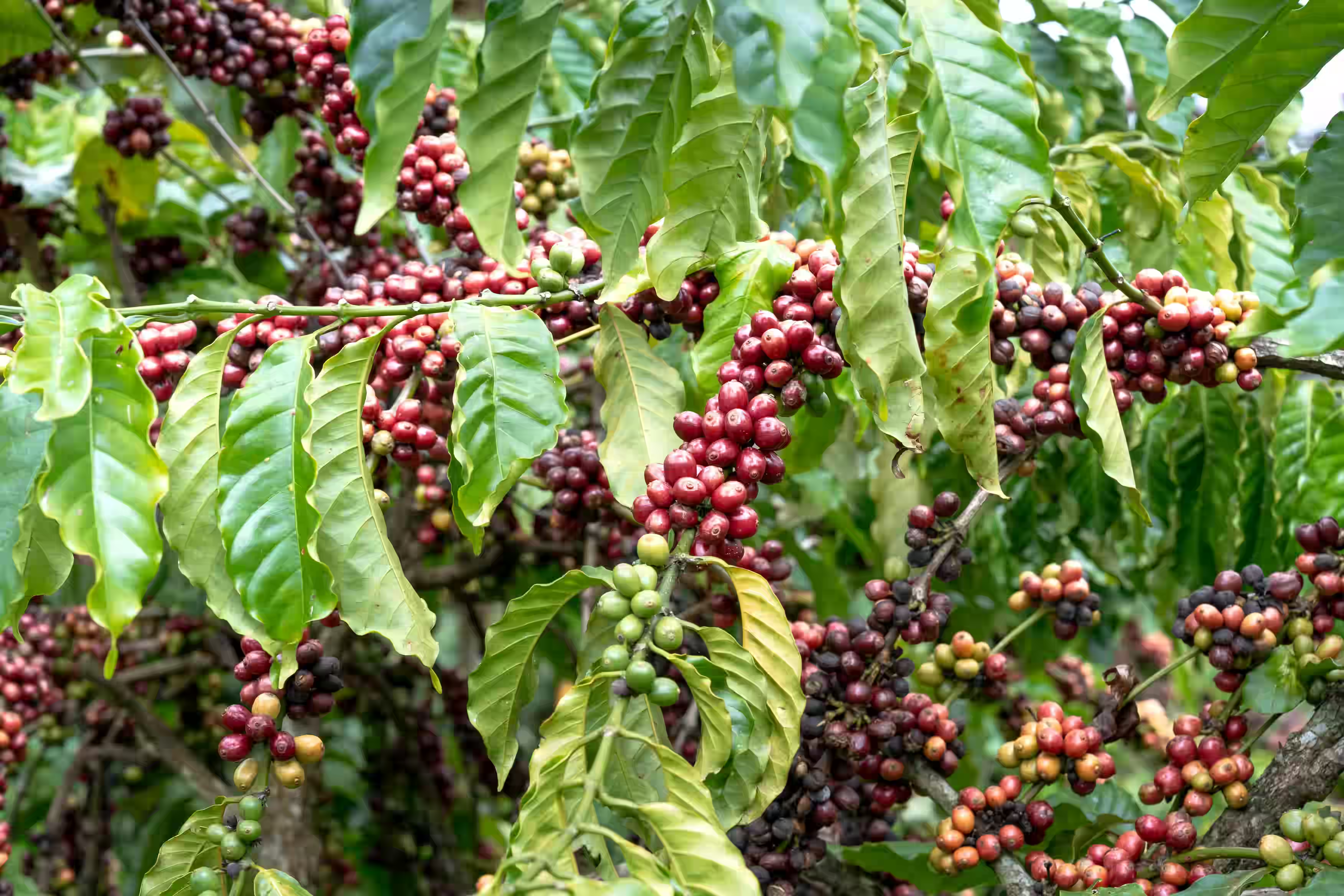
Best Araku Valley Coffee in India
Floral, citrus-forward profiles at lighter roasts, and India's most distinct non-Karnataka origin.
Explore the Terroir
About the Region
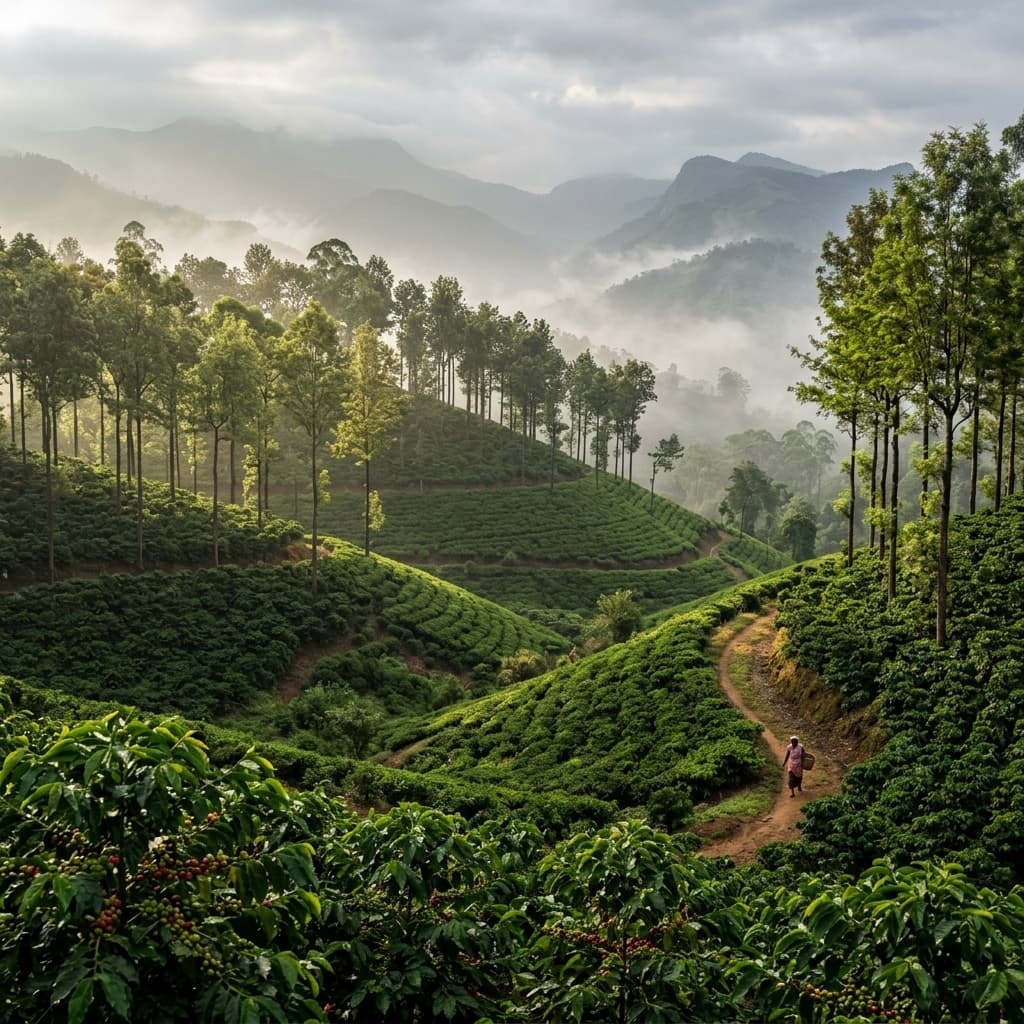
Araku Valley sits in the Araku plateau of the Eastern Ghats at elevations between 900 and 1,300 metres, significantly different terrain from Karnataka's Western Ghats origins. Coffee here is primarily grown by tribal communities organised into cooperatives, with the Girijan Cooperative Corporation playing a significant role in production and marketing. Araku coffee gained international recognition in 2017 when it received a GI (Geographical Indication) tag, India's first coffee GI. It's also found a notable presence in European markets, particularly Paris, where it's served in high-end cafés.
In the cup & on the map
Quick facts to anchor flavour expectations, paired with the coffees below.
State / area
Andhra Pradesh
Elevation
900–1,100m
Known for
Floral, citrus-forward arabica from tribal cooperatives
Terroir & Growing Conditions
Climate
Eastern Ghats microclimate — cooler and cloud-influenced despite lower elevation than Western Ghats origins
Soil
Iron-rich red soil (locally glossed as "red earth")
Altitude
900–1,100m
Harvest
November-January
Area
35,423 ha under coffee (NRSC 2024, Sept 2024)
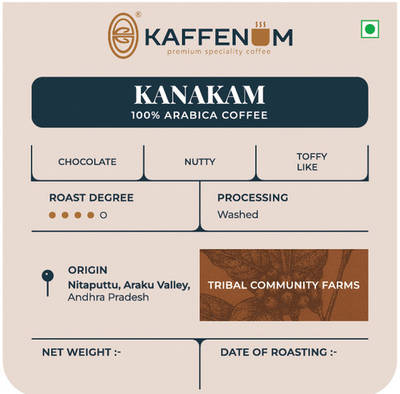
Araku coffees
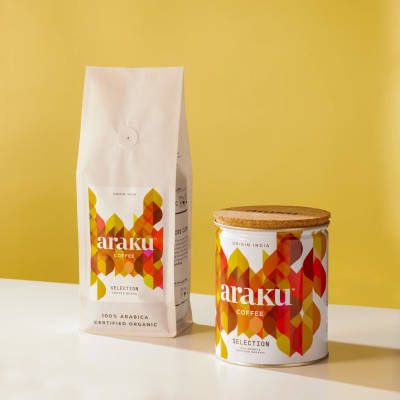
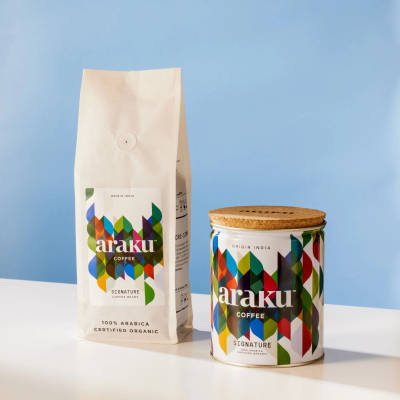
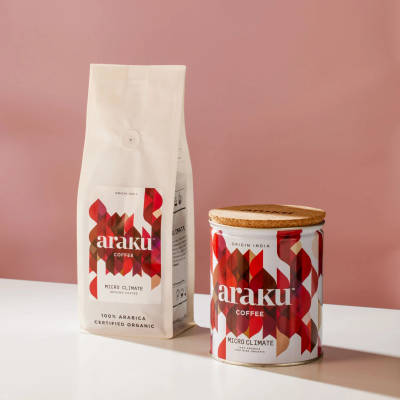
Light roasts often highlight florals and citrus, so check tasting notes and compare across roasters.








Catalogue last refreshed .
In the Cup
Typical notes
Process Variation
Washed Araku at light roast is the clearest expression of the region's terroir, where floral and citrus come through cleanly. Natural Araku lots are less common but worth trying, since the drier climate produces fruit-forward naturals without the fermented edge that humid-climate naturals sometimes develop.
Roaster Sourcing
Araku is carried by a growing number of Indian specialty roasters, including Blue Tokai and Corridor Seven. The GI tag and international reputation have raised its profile, but it remains less widely sourced than Karnataka origins. On ICB, Araku lots are identifiable by their distinctly lighter, more citrus-forward tasting notes compared to Karnataka coffees from the same roaster.
Indian Specialty Context
Araku is India's most distinctively non-Karnataka origin, and the Eastern Ghats terroir produces a noticeably different cup from Chikmagalur or Coorg. Light roasts show bergamot, citrus, and jasmine with a lighter body than Karnataka equivalents. The tribal cooperative production model, low input and forest-grown, contributes to a clean, almost delicate cup character. Araku naturals are particularly interesting: the Eastern Ghats' lower humidity produces cleaner naturals than the wetter Karnataka coast.
Brew Guidance
Araku light roasts are ideally suited to V60 and Chemex, where the floral and citrus notes that define the region come through most clearly in clean, paper-filtered pour-over. AeroPress works well at slightly lower temperature (90–92°C) for a more concentrated version. Avoid French Press for light Araku roasts, where the immersion can muddy the delicate floral character.
Explore Nearby Regions


Sourcing from Araku Valley
Explore Indian coffee regions
Region guides and brewing tips on the learn hub.
Read the Context.
The background behind what you are tasting, from our writing on Indian coffee.
About Araku Valley coffee
India's GI-tagged coffee origin: terroir and flavour explained.
Explore More.
Discover other ways to find your perfect coffee.
Nilgiris coffees
Blue Mountain highland lots from Tamil Nadu.
Chikmagalur coffees
From classic washed estate lots to experimental microlots.
The *light* end of the spectrum
Bright, acidic, and complex coffees roasted to preserve origin characteristics.
Washed process picks
Fermented and washed to remove mucilage before drying.