

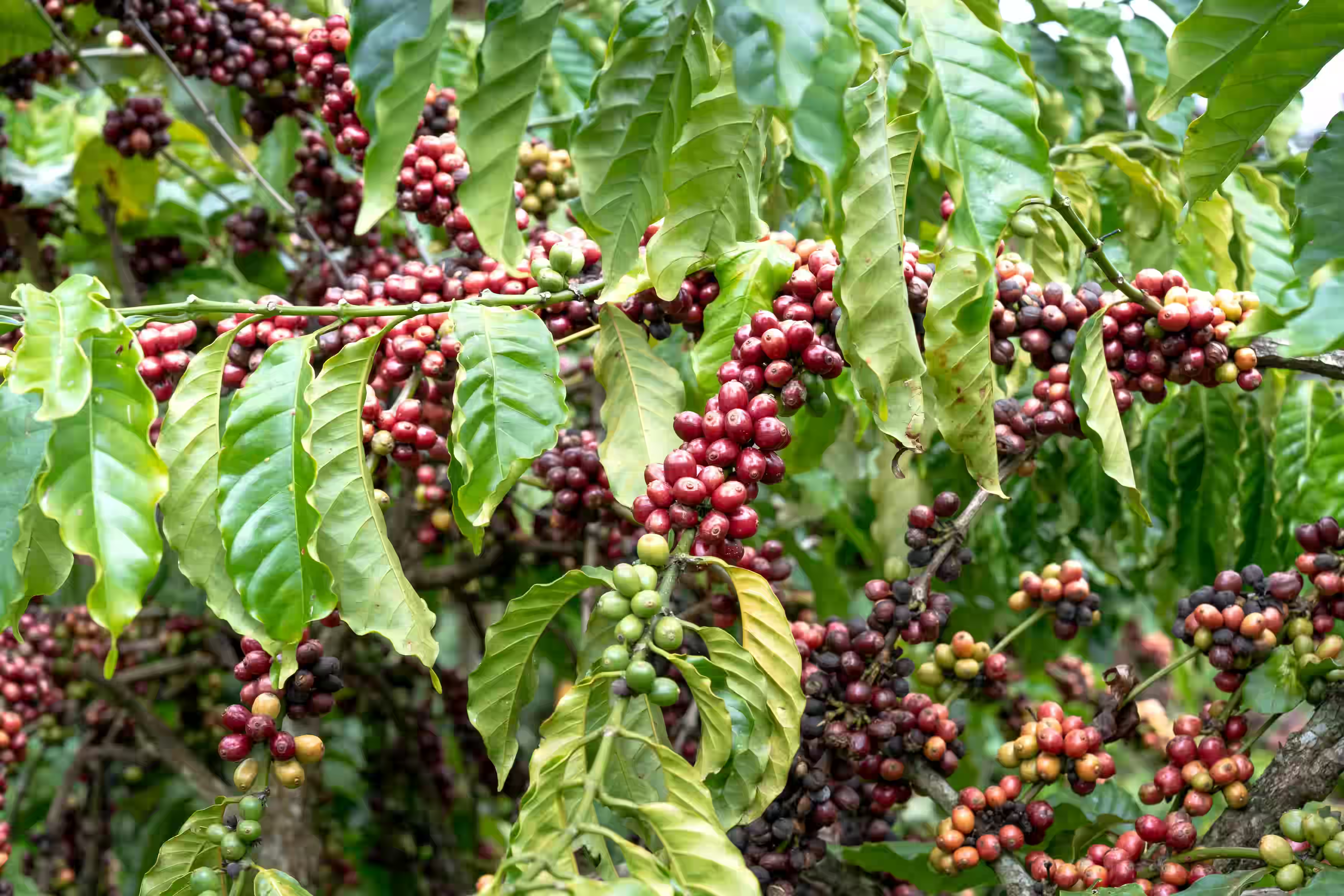
Best Koraput Coffee in India
Emerging origin, fruit-forward or chocolate-toned depending on process and roast.
Explore the Terroir
About the Region
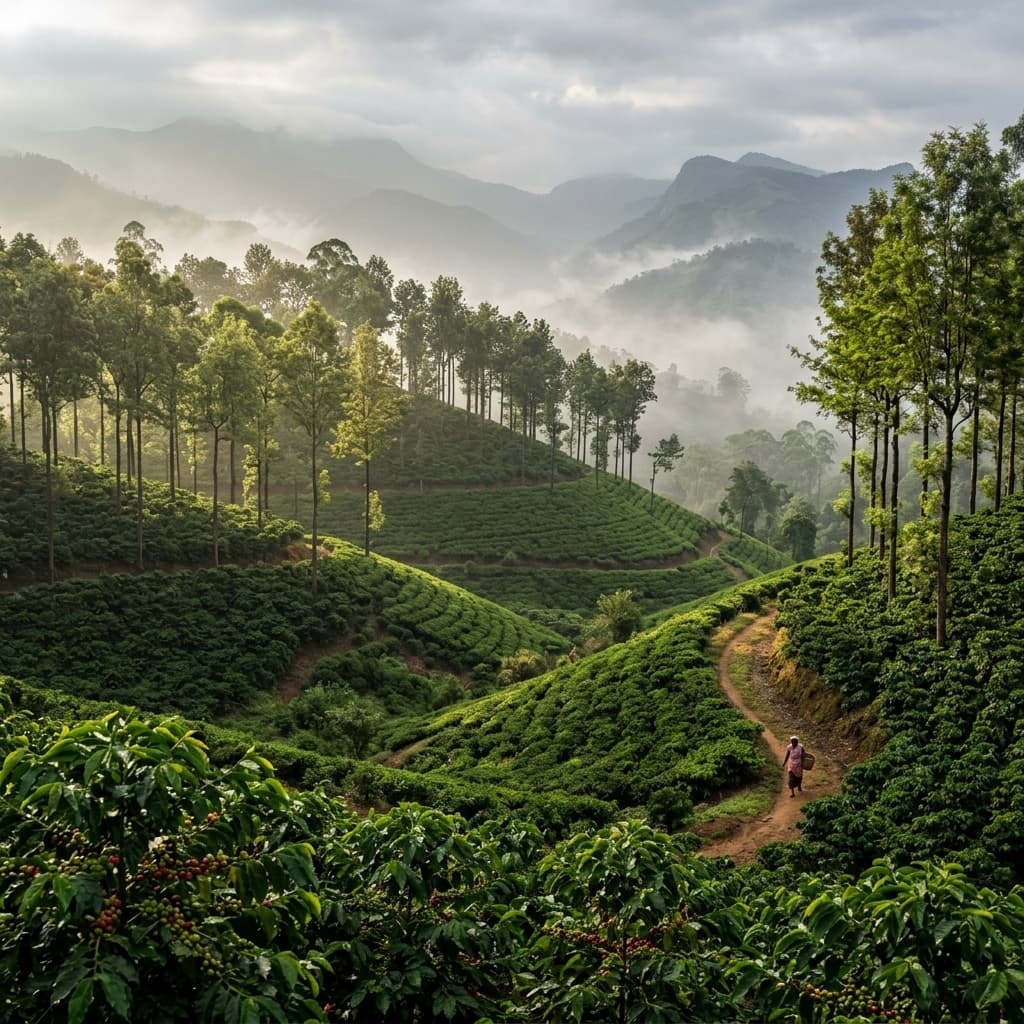
Koraput is a hilly district in southern Odisha, where the Eastern Ghats rise to 1,500 metres. Coffee cultivation here is primarily by tribal communities on smallholder farms, part of a broader tribal agriculture system that includes millet, turmeric, and forest produce. Koraput coffee is genuinely emerging. Awareness in specialty circles is recent, and the number of roasters sourcing from the region is small but growing. The Eastern Ghats terroir, drier than the Western Ghats and with a distinct forest ecosystem, produces a different flavour profile from Karnataka's mainstream origins.
In the cup & on the map
Quick facts to anchor flavour expectations, paired with the coffees below.
State / area
Odisha
Known for
Emerging tribal smallholder specialty, Eastern Ghats terroir
Terroir & Growing Conditions
Climate
Tropical highland, monsoon-fed
Soil
Red hill soil
Harvest
November-January
Area
2,918 ha under coffee (NRSC 2024, Sept 2024)
Koraput & Odisha coffees
Compare with Araku Valley for a tour of Eastern Ghats origins, where the terroir contrast is interesting.

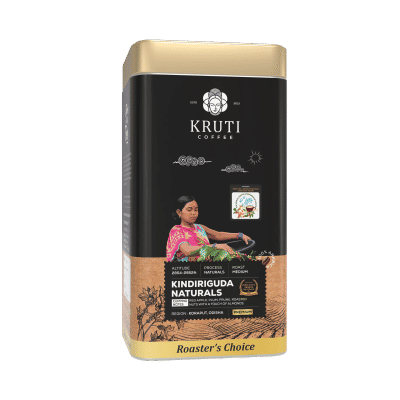



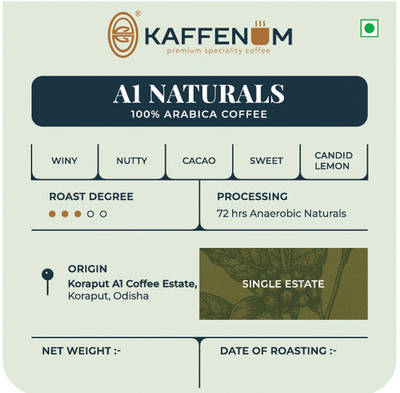

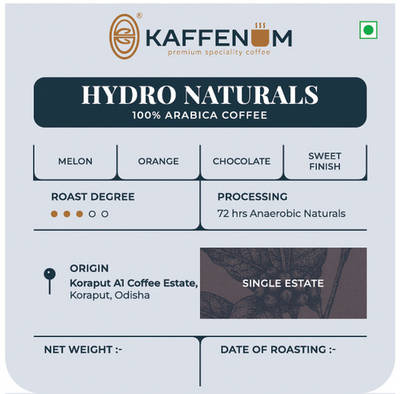
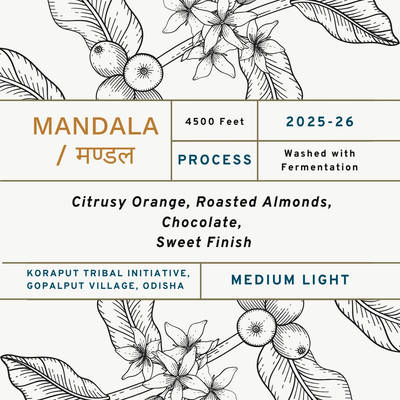


Catalogue last refreshed .
In the Cup
Typical notes
Process Variation
Natural processing is more viable here than in wetter Western Ghats origins, since the drier Eastern Ghats climate produces cleaner naturals. Washed lots show the terroir most clearly. Both are represented in the ICB catalogue from Koraput.
Roaster Sourcing
Koraput is carried by a handful of Indian specialty roasters interested in origin diversity. It's not yet mainstream, and roasters sourcing from here are generally those committed to exploring beyond the Karnataka mainstream. On ICB, Koraput lots are worth trying if you're curious about what Eastern Ghats terroir tastes like independently of the better-known Araku Valley.
Indian Specialty Context
Koraput specialty coffee is still being understood, and each harvest brings more data and more roasters willing to share tasting notes. What's consistent: the Eastern Ghats terroir produces a different cup from Western Ghats origins, often with a mild, earthy sweetness and medium body that sits between Araku's brightness and Karnataka's boldness. Process and roast variation is significant, so compare tasting notes across roasters carefully before buying, as lot-to-lot variation is wider than in more established regions.
Brew Guidance
Recommended
Approach Koraput like you'd approach any emerging origin: start with standard parameters for the roast level and adjust based on tasting notes on the specific lot. Light roasts suit V60 and AeroPress. Medium roasts work well in French Press. The lot-to-lot variation is wider than established regions, so be more willing to adjust grind and temperature than you would with Chikmagalur or Coorg.
Explore Nearby Regions


Sourcing from Koraput
Explore Indian coffee regions
Region guides and brewing tips on the learn hub.
Read the Context.
The background behind what you are tasting, from our writing on Indian coffee.
About Koraput coffee
Odisha's emerging coffee origin in the Eastern Ghats.
Explore More.
Discover other ways to find your perfect coffee.
Araku coffees
Highland lots from the Eastern Ghats of Andhra Pradesh.
Northeast India coffees
Meghalaya hill region lots, India's frontier specialty origin.
The *light* end of the spectrum
Bright, acidic, and complex coffees roasted to preserve origin characteristics.
Natural process picks
Lots where the fruit stayed on the bean longer for intense sweetness and complexity.