

Best Coffee Under ₹1000 in India
₹1000 covers almost the entire Indian specialty range, where value blends and experimental microlots both live here.
What to expect at this price point
The Reality of this Price Range
Under ₹1000 (normalized to 250g) is where the large majority of Indian specialty coffee lives. At the lower end you get clean, well-processed daily drinkers: medium roasts from Coorg and Chikmagalur estates and approachable single origins. As you move toward ₹1000 you unlock high-altitude single-estate lots from Baarbara, Ratnagiri, and Harley, named varieties (SLN 795, SLN 9, Chandragiri), and experimental processing (honey, anaerobic natural, extended fermentation). Most of the catalogue's top-rated coffees sit inside this band, which is exactly why 'under ₹1000' is the sweet spot most buyers should start from.
Smart Buying Guide
Decide your sub-tier before you shop under ₹1000
₹500–₹700 buys reliable, clean single origins and estate blends, your everyday cup. ₹700–₹1000 is where experimental processing and named-varietal microlots appear. Knowing which half you're shopping in keeps expectations (and value judgements) honest.
Prioritise roast date and clear origin
Freshness beats price at every tier. A ₹450 coffee roasted last week often outdrinks an ₹900 coffee that's two months old. Favour labels that print the roast date plus estate, region, and process. Specificity is the strongest quality signal under ₹1000.
Use community ratings to break ties
This band is the most heavily rated part of the catalogue, so you rarely have to guess. When two coffees look similar on paper, compare their ICB ratings and tasting notes side by side rather than trusting marketing copy.
Roast Profiles
Medium roasts are the backbone of this range, with medium-dark and lighter roasts also well represented. Lighter roasts cluster toward the ₹1000 end, where producers roast to preserve terroir and processing investment.
Processing Methods
Washed lots lead by count, followed by natural. Anaerobic and honey lots become more common as you approach ₹1000, and these add cost and complexity, and producers price accordingly. The best washed estate lots also live near the top of this band.
Top Value Coffees
Sorted by community rating. Look for clear origin, a recent roast date, and processing notes to spot the standouts.


Raxidi Lobo Estate
Blue Tokai Coffee
From ₹900 / 250g
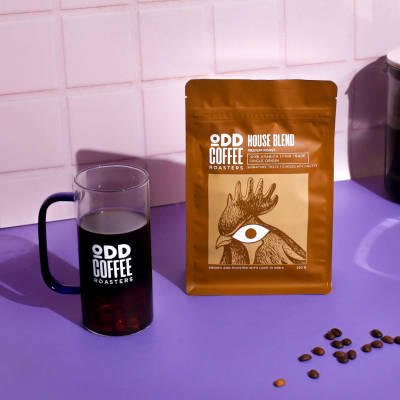
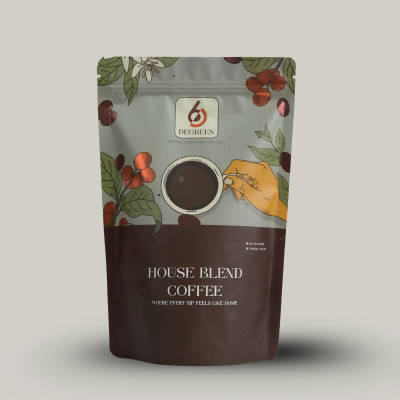
House Blend 60:40 Medium Roast Beans
Odd Coffee Roasters
From ₹539 / 250g


Kalledevarapura Estate
Bili Hu
From ₹849 / 250g
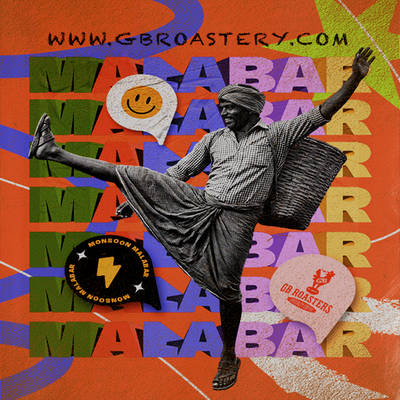
Monsooned Malabar
GB Roasters
From ₹500 / 250g



Catalogue last refreshed .
What to look for at this price
Match the sub-tier to the occasion: ₹500–₹700 for daily brewing, ₹700–₹1000 for exploring processing and varieties.
Sort by rating, then filter by your brew method and roast level to shortlist quickly.
Check the roast date and buy 250g where you can, since it usually gives the best per-cup value in this range.
Dial in your ratio and grind to get the most from whatever you pick in this range.
Coffee Calculator
Work out the coffee-to-water ratio for any coffee in this range.
Read the Context.
The background behind what you are tasting, from our writing on Indian coffee.
Choosing Coffee Under ₹1000
Picking well across the full ₹1000 range, from daily drinkers to standout lots.
Explore More.
Discover other ways to find your perfect coffee.
Under ₹500
Good Indian specialty coffee under ₹500 is more common than the price suggests: Coorg and Chikmagalur daily drinkers from Baarbara, Thogarihunkal, Mercara Gold, and Malakodu. Every one is community-rated and normalized to 250g, so you can compare honestly before you buy. Everything here is specialty ground and whole-bean coffee, not instant.
₹500–₹1000
The ₹500–₹1000 range is where Indian specialty coffee gets interesting: Chikmagalur and Baba Budangiri estates, SLN 795 and SLN 9 lots, and processing that turns experimental. Most of the catalogue's standout single origins live in this band.
The *light* end of the spectrum
Bright, acidic, and complex coffees roasted to preserve origin characteristics.
Natural process picks
Lots where the fruit stayed on the bean longer for intense sweetness and complexity.
Over ₹1000
Explore the best premium coffee in India, above ₹1000 per 250g, where Ratnagiri, Attikan, and Kerehaklu send competition-grade microlots and rarities like Geisha, Bourbon, and Caturra. Every coffee here is community-rated and price-normalized to 250g, so even at the high end you can compare like for like.