


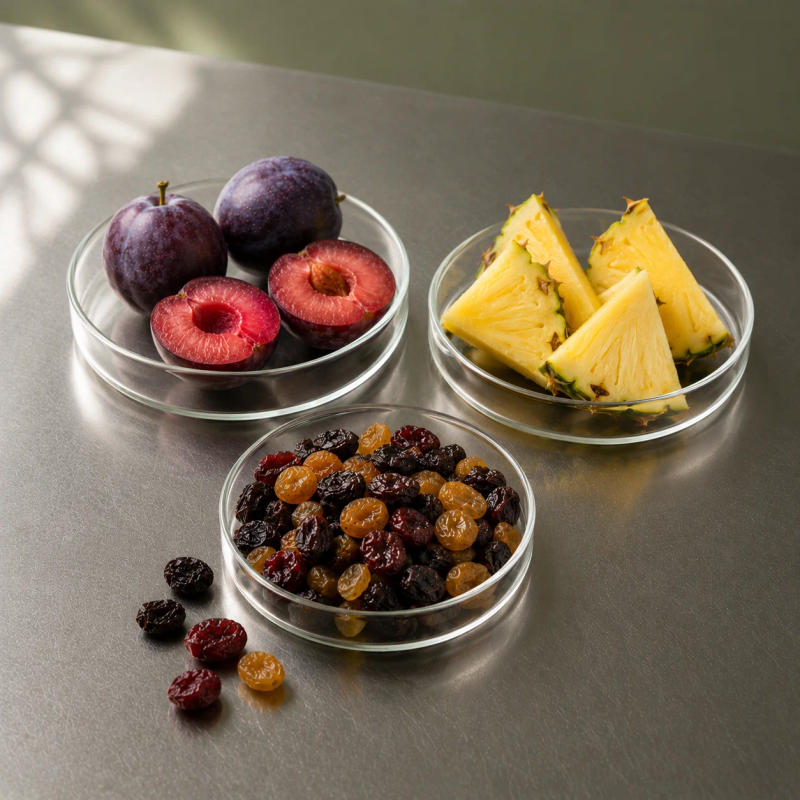


Clean, balanced, highlighting origin characteristics
Flavour
Origin and production
As described by 22nd Bridge Coffee Roasters
A filter-roast anoxic natural from Melkodige Estate in Chikmagalur, grown at 1220 MASL and fermented with wine yeast. The cup shows mild to moderate fruit expression — dried fruits and plum, followed by juicy tropical pineapple — with the mid-palate shifting toward orange peel and soft dark fruit. Acidity is bright, juicy and citrus-like with mandarin and overripe pineapple character, vibrant yet structured. Medium body with a smooth, rounded, juicy mouthfeel that keeps its clarity, and a medium-long clean finish of candied orange peel, citrus oils and dried fruits, with a slight drying sensation from the fermentation. Suggested for pour-over, espresso and steeped cold brew.
Brewing
Pack sizes and price
Ratings
What drinkers say
With milk?
More from 22nd Bridge Coffee Roasters
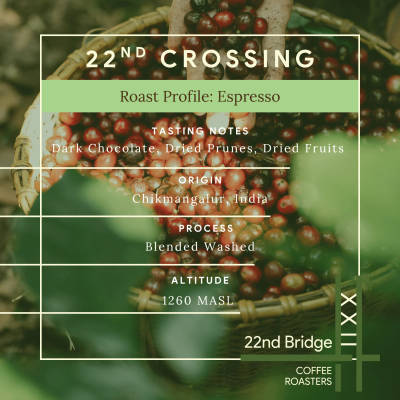
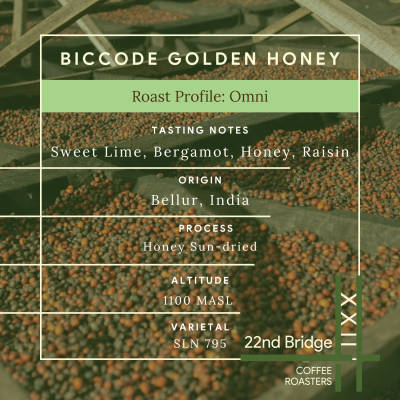
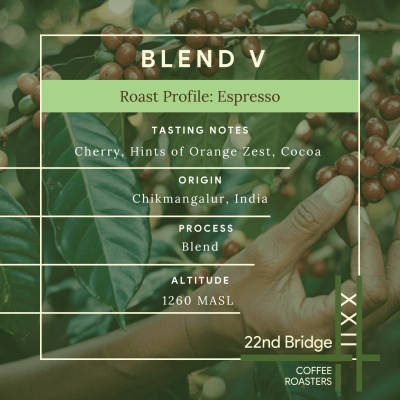
Read about this

Processing & Flavors
Anaerobic and Experimental Processing in Indian Coffee
One in five coffees in ICB's catalog now carries an experimental process tag. This is a reference guide to the four categories (anaerobic, carbonic maceration, double fermented, and experimental), covering how each works at the fermentation level, which Indian estates and regions produce them, and what the catalog data says about their flavor patterns.

Processing & Flavors
Carbonic Maceration in Coffee, Explained
Carbonic maceration is the most widely misused term in Indian specialty coffee. It is a specific sub-type of anaerobic fermentation, not a synonym for it, and the distinction shows up in the cup. This field guide maps what CM is, where it happens in India, and what to expect from the 28 Indian coffees that carry the label.

Processing & Flavors
How Fermentation Shapes Coffee Flavour
Every coffee ferments — the variable is how. Understanding the microbial chemistry behind washed, natural, and anaerobic processing explains why the same estate can produce a clean chocolate cup and a grape-forward lot from the same harvest. This article maps the mechanism to the label, with data from ICB's catalog of 1,238 Indian coffees.
Questions about this coffee
22nd Bridge Coffee Roasters's tasting notes for Melkodige Anoxic Naturals lean toward Candied Orange Peel, Dark Fruit, Dried Fruits and Mandarin. Flavor is subjective and shifts with roast freshness, grind size, and brew method, so your cup may vary.
Melkodige Anoxic Naturals is a single-origin coffee, sourced from one origin rather than blended, so it reflects the character of that specific place.
Melkodige Anoxic Naturals is suggested for Cold Brew, Espresso and Pour Over. As a rule of thumb: espresso needs a fine grind, pour-over and drip a medium grind, and French press or cold brew a coarse grind. Dial in from there to taste.