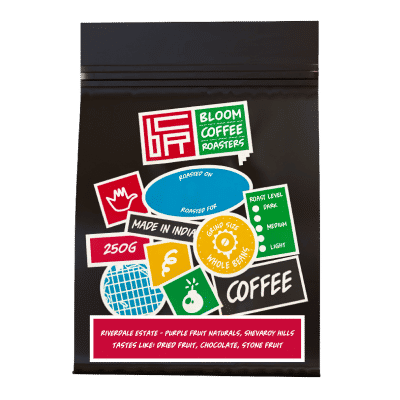
Riverdale Purple Fruit - Purple Fruit Naturals - Shevaroy Hills - Light Roast
chocolate, dried fruit +1
Natural₹950 / 250g
Not yet rated
Find specialty coffees from the Shevaroy Hills, which the Coffee Board lists as the Sheveroys, the Tamil Nadu region with the most coffees on ICB, with diverse estates, experimental processing, and a profile distinct from Karnataka's mainstream origins.

chocolate, dried fruit +1
Natural₹950 / 250g
Not yet rated
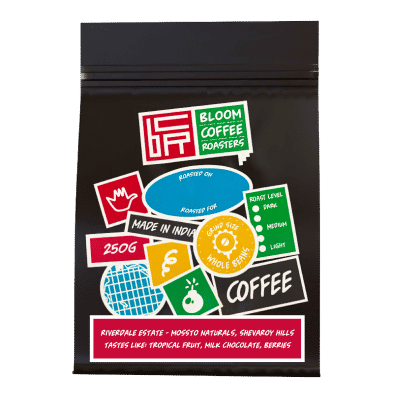
berries, milk chocolate +1
Natural₹1,250 / 250g
Not yet rated
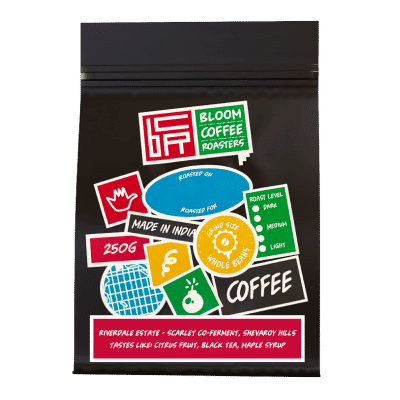
black tea, citrus fruit +3
Experimental₹1,050 / 250g
Not yet rated
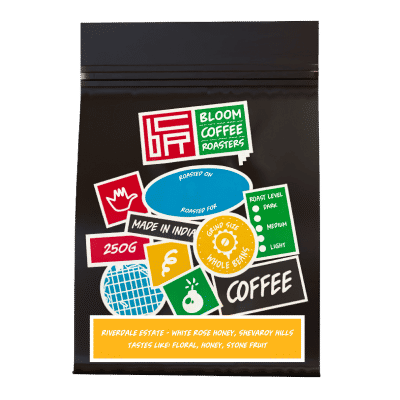
floral, honey +1
Honey₹1,150 / 250g
Not yet rated
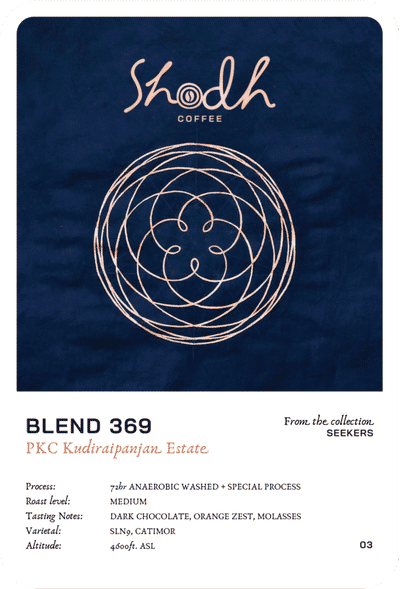
dark chocolate, molasses +1
Anaerobic
Not yet rated

banana, dried prune +2
Natural₹1,075 / 250g
Not yet rated

almond, dark chocolate +1
Washed₹749 / 250g
Not yet rated

caramel, cocoa +4
Washed₹870 / 250g
Not yet rated

Washed₹800 / 250g
Not yet rated
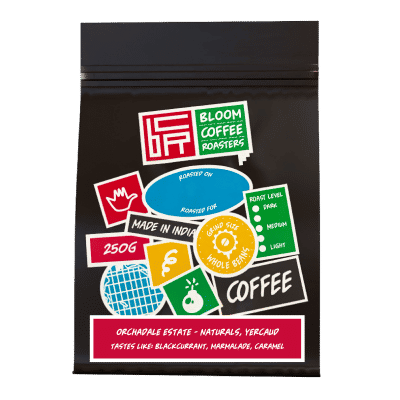
blackcurrant, caramel +1
Natural₹950 / 250g
Not yet rated
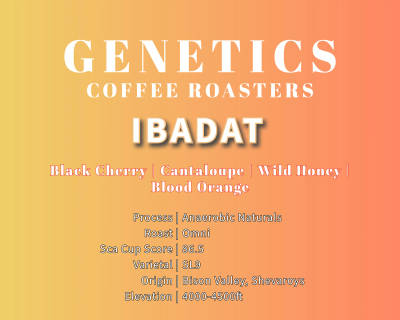
black cherry, blood orange +2
Anaerobic₹1,500 / 250g
Not yet rated
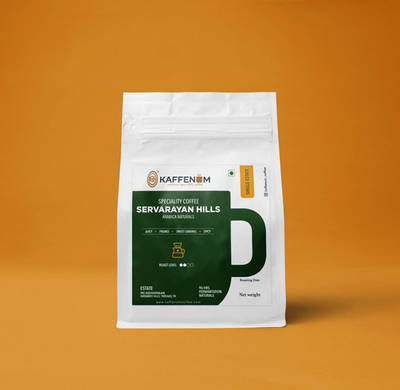
berries, fruity +1
Natural₹750 / 250g
Not yet rated
The Shevaroy Hills, also known as Shervarayan Hills, rise to 1,600 metres in Tamil Nadu's Salem district, forming one of South India's significant coffee-growing areas outside Karnataka. It is better represented in the ICB catalogue than several Karnataka sub-regions. The area is part of the Eastern Ghats range and has a distinct growing environment from the Western Ghats origins: different rainfall patterns, different soil composition, and a growing cluster of producers experimenting with processing. Despite its size, Shevaroy Hills remains relatively unknown in specialty circles, partly because many coffees are blended into generic Tamil Nadu lots rather than origin-labelled.
The Tamil Nadu region with the most coffees listed here, and the one where producers are experimenting hardest with fermentation.
Known for: Tamil Nadu's primary coffee origin, diverse processing, experimental lots.
Lower rainfall and lower average elevation than the wetter Nilgiris and Western Ghats core produce a fuller-bodied, lower-acid cup for the district.
Shevaroy Hills coffees at medium roast washed are clean, balanced, and approachable, a reliable everyday drinking coffee without Karnataka's intensity. The ICB catalogue shows a significant cluster of medium washed lots (6) alongside experimental and carbonic maceration lots (notable for Tamil Nadu). Light naturals from the region show fruit and brightness that's different in character from Karnataka naturals, and worth comparing. The experimental processing presence is the most interesting development: several Shevaroy Hills producers are clearly investing in processing infrastructure, with carbonic maceration, anaerobic, and double-fermented lots appearing alongside traditional washed.
Medium washed lots are the backbone of Shevaroy Hills production in the specialty catalogue. But the experimental processing presence is disproportionately high for the region's size: 5 experimental lots, 2 carbonic maceration, 2 anaerobic, and 2 double-fermented lots appear in the ICB data. For a Tamil Nadu origin, this signals a progressive producer cluster worth watching.
Suggested for Pour-over, AeroPress, French Press.
Medium washed Shevaroy Hills lots suit V60 and AeroPress, where the balanced, approachable profile works across standard pour-over parameters. Light natural lots benefit from V60 at 90–93°C. For experimental and carbonic maceration lots, treat them like you would anaerobic: start with standard parameters and a slightly coarser grind, adjust based on tasting notes. French Press suits medium and medium-dark lots well.
Kudiraipanjan Estate is a shade-grown Arabica estate in the Shevaroy Hills near Yercaud, Tamil Nadu, at about 1,220 to 1,400 metres. It was established in 1878 by British planter James Frederick MacFarlane, and the PKC (Palani Kandasamy Chettiyar) family acquired it in 1975 and is in its third generation of stewardship. The estate holds NPOP organic certification and offers washed, natural, honey and fermentation lots, grown as Selection 9, 795, 13 and Chandragiri among others. Catalog lots carry milk chocolate, green grape and date notes.
Riverdale Estate is a coffee farm in the Shevaroy Hills near Yercaud, Tamil Nadu, at about 1,400 to 1,450 m. It is run by Prakashan Balaraman, who bought it with his brother Mohan in 2006, and Blue Tokai says the estate has been active since 1920. Prakashan introduced Gesha, and the farm is known for experimental lots: natural, honey and carbonic maceration coffees reaching Blue Tokai, Subko, Corridor Seven and Bloom. Certifications were not found in available sources.
Orchardale Estate is one of seven estates run by the MSP Coffee family in the Shevaroy Hills near Yercaud, Tamil Nadu, at roughly 1,500 metres. The family describes five generations of farming since the 1920s, and Blue Tokai lists Chandragiri, Selection 795 and Selection 9 as the varieties. Eight catalog listings from seven Indian roasters, among them Hill Tiller, Naivo, Bloom and Blue Tokai, are mostly naturals. Certifications and an estate-specific founding year were not found in available sources.
Stanmore Estate is one of seven estates of the MSP Coffee Group in the Shevaroy Hills near Yercaud, Tamil Nadu, with coffee growing between 4,000 and 4,300 ft (about 1,220 to 1,310 m). Blue Tokai describes gentle slopes, rich soil and heavy rainfall under a mixed canopy of shola, fig, jackfruit, jamun and silver oak. Arabica varieties include Catuai, Catimor, BBTC, Selection 9 and Chandragiri. Eight listings from six roasters in ICB's catalog cover natural, washed and washed-natural lots, and a founding year was not found.
Bison Valley Estate is a coffee estate in the Shevaroy Hills near Yercaud, Tamil Nadu, with one roaster listing placing its microlot at about 1,380 metres. The listing names the Rajes family as farmers, and the estate is associated with the MSP Coffee group alongside Orchardale, Gowri and Moganad. ICB roasters sell washed, natural, anaerobic and multi-fermented lots from it, using Selection 795, Selection 9 and Selection 5A. Certifications and founding year for Bison Valley were not found in available sources.
Moganad Estate belongs to MSP Coffee, whose registered office is at Mangalammoganad Estates in Semmanatham, Yercaud, in the Shevaroy Hills of Tamil Nadu. Coffee Board competition lists place the estate under Mohan Rajes of MSP Coffee, with a runner-up placing for the Shevaroys in 2014. ICB roasters sell honey, black honey, washed and double-fermented lots, using Selection 795 and Selection 9. Certifications and founding year for Moganad were not found in available sources.
Gemblary Estate is a coffee estate in the Shevaroy Hills near Yercaud, Tamil Nadu, a dry-tropical belt where Arabica is grown at roughly 900 to 1,500 m. A retailer listing places the estate at 1,410 m, and Home Blend Coffee Roasters and Broot Coffee sell washed lots from it, with Selection 795 named on the Home Blend listings. Ownership, certifications and founding year for Gemblary Estate were not found in available sources.
Shevaroy Hills is sourced by about as many roasters as Karnataka sub-regions like Sakleshpur. Some roasters label it explicitly; others fold it into Tamil Nadu or Nilgiris region descriptions. On ICB, explicitly labelled Shevaroy Hills lots are identifiable and worth comparing: the region's character is distinct from Karnataka, and the experimental processing lots in particular are interesting outliers in the Tamil Nadu specialty story.

Origins & Estates
Coffee is grown in India across three distinct geographic zones — the Western Ghats, the Eastern Ghats, and the northeastern hills. Each zone, and each region within it, has a measurably different altitude, soil, harvest window, and flavor signature. This guide maps all of them using ICB's catalog and the Coffee Board's own regional specs as the data layer.

Origins & Estates
Two bags of Indian arabica sit side by side — both washed, both medium-roasted, both from Karnataka. One is bright, with a citrus-edged acidity. The other is dense, earthy, noticeably heavier. The labels say roughly the same thing. The difference, in most cases, is altitude — and reading that difference requires more context than the bag provides.

Origins & Estates
A GI tag on an Indian coffee bag is a geographic authenticity claim, not a quality grade. Seven Indian coffees hold GI registration — two Monsooned Malabar varieties since 2007, and five regional coffees since 2019. Understanding what that mark certifies changes how you read a label.