











Flavour
Origin and production
As described by Siolim Coffee
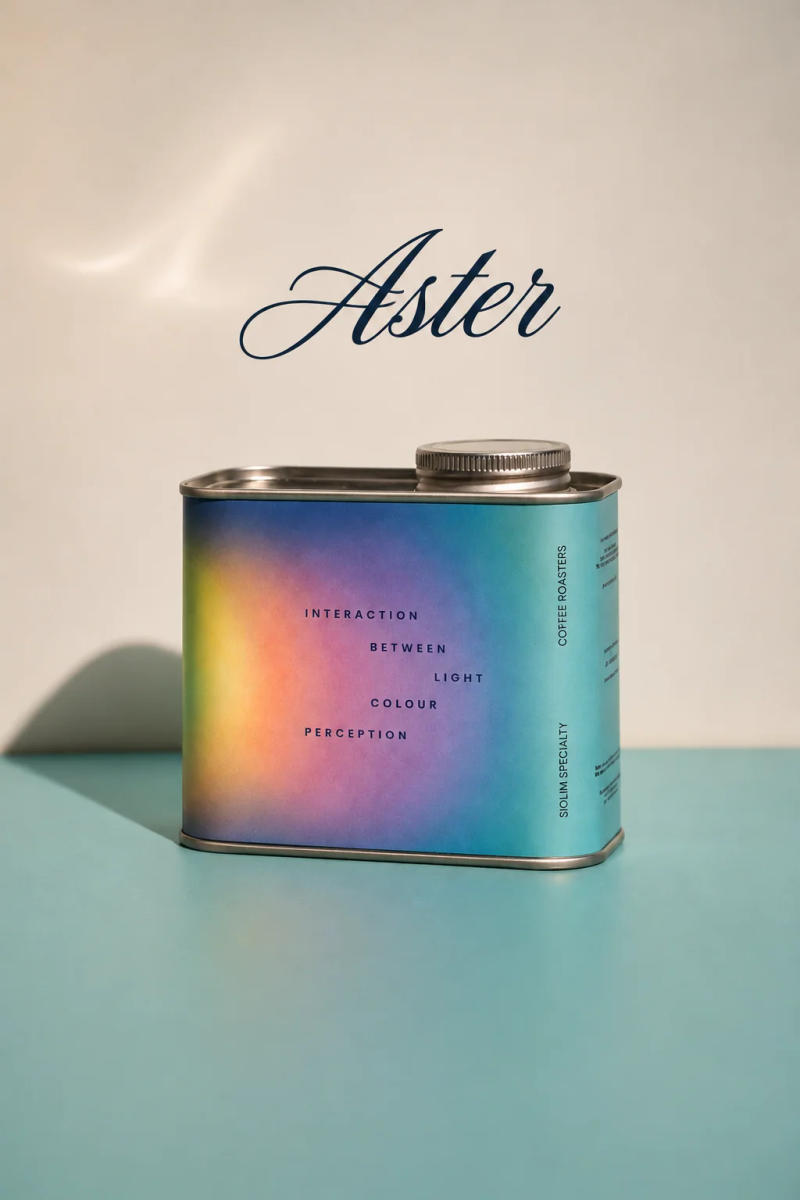
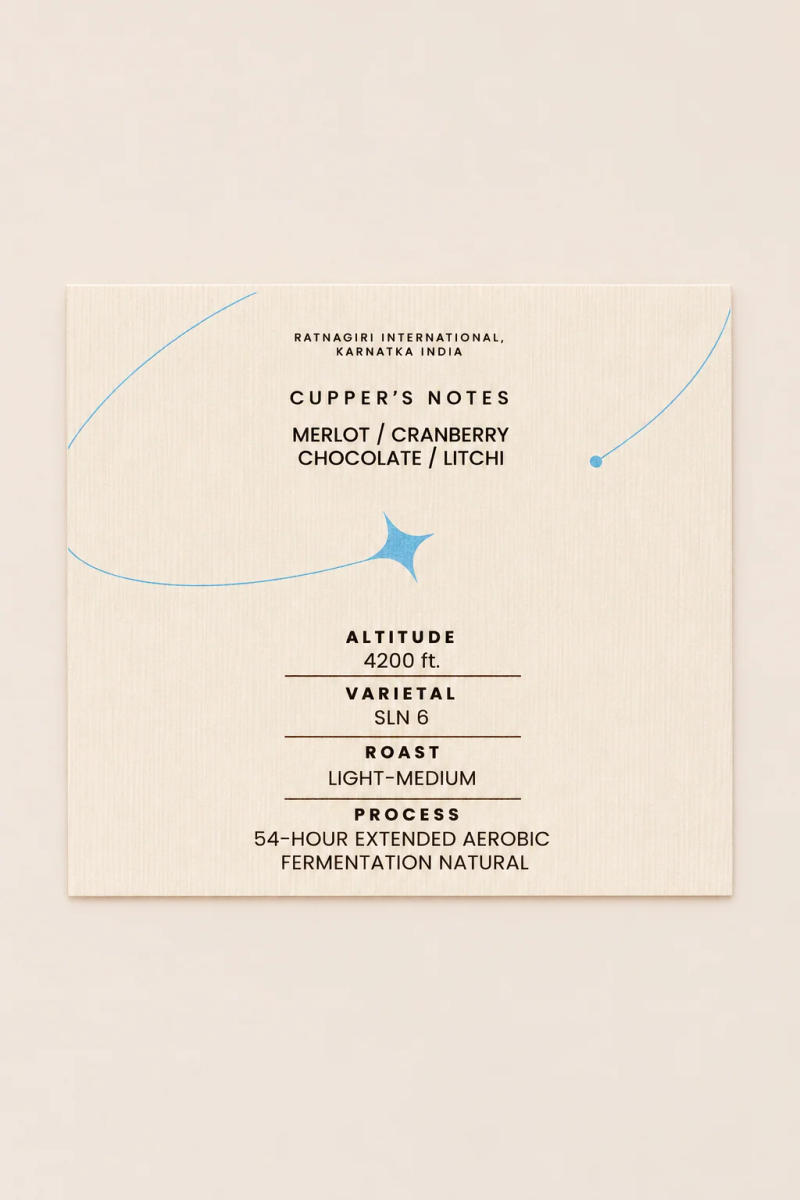
Aster brings together flavours you might not expect to find in the same cup, pairing fruit-driven complexity with the depth of chocolate. Sourced from Ratnagiri Estate at 4,200 feet, this SLN 6 lot is roasted light–medium.
Pack sizes and price
Ratings
What drinkers say
With milk?
More from Siolim Coffee


Read about this

Processing & Flavors
Washed vs Natural vs Honey: What Processing Means for Flavor
Coffee bags list 'washed' or 'natural' processing, but what do these terms actually mean for flavor? Processing method—how the fruit is removed from the seed—creates more flavor variation than origin alone. Here's what each method does, and what ICB's data shows about Indian coffees.

Processing & Flavors
How Fermentation Shapes Coffee Flavour
Every coffee ferments — the variable is how. Understanding the microbial chemistry behind washed, natural, and anaerobic processing explains why the same estate can produce a clean chocolate cup and a grape-forward lot from the same harvest. This article maps the mechanism to the label, with data from ICB's catalog of 1,238 Indian coffees.

Brewing Behaviour
Pour Over for Indian Naturals: Parameters, Drippers, and Regional Differences
Natural-process coffees extract faster and carry more residual CO₂ than washed beans — but most pour over guides are written for washed. This guide covers the four parameter adjustments that correct for natural-process behavior, how to choose between a V60 and Kalita Wave, and how Chikmagalur, Araku, and Coorg naturals differ on the same recipe.
Questions about this coffee
Siolim Coffee's tasting notes for Aster lean toward Chocolate, Cranberry, Litchi and Merlot. Flavor is subjective and shifts with roast freshness, grind size, and brew method, so your cup may vary.
Aster is a single-origin coffee, sourced from one origin rather than blended, so it reflects the character of that specific place.