

Clean, balanced, highlighting origin characteristics
No longer listed by the roaster. You can still rate it if you have tried it.
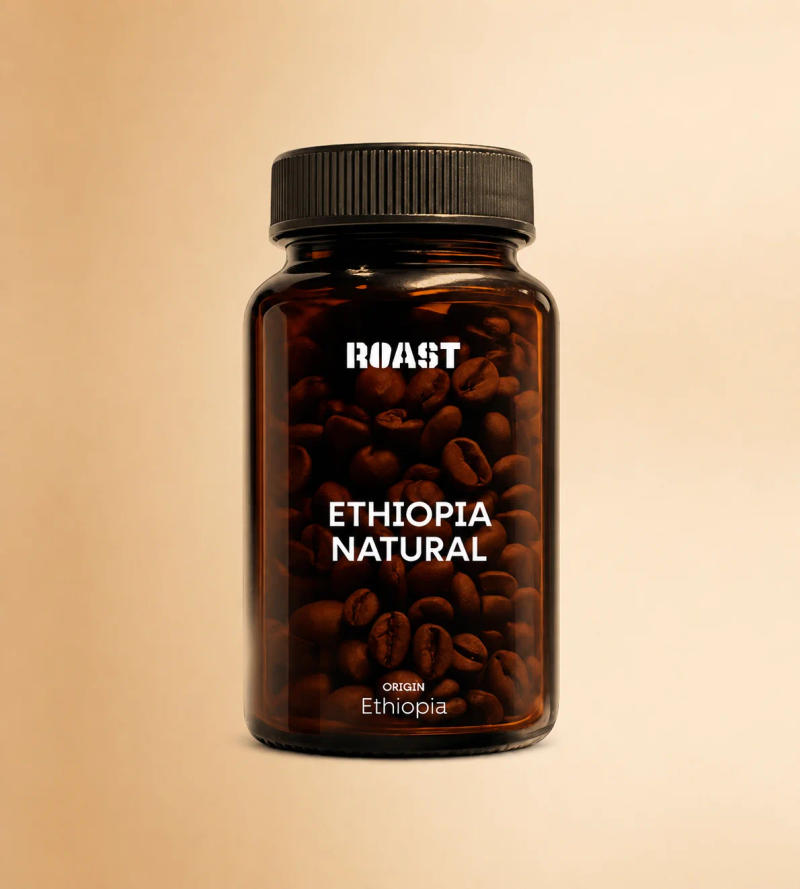
Light roast · Natural · Sidama
Flavour
Origin and production
- Sidama
- Limited release
As described by Roast Coffee
Ethiopia Naturals is an exceptional coffee from Hamasho Village, Sidama, Ethiopia- one of the country's most celebrated coffee growing regions- produced by Asefa Dukamo using the natural method. This light roast coffee delivers an elegant, fruit-driven cup with tasting notes of prunes, cantaloupe, dates and grapes. If you're looking to buy Ethiopian specialty coffee, this is a standout choice for coffee lovers who appreciate layered fruit notes, delicate acidity, natural sweetness and the distinctive character of Ethiopian naturals. Best enjoyed black through manual brewing methods like V60, AeroPress or Chemex.
Brewing
Pack sizes and price
₹3,000
No longer listedRatings
What drinkers say
With milk?
More from Roast Coffee
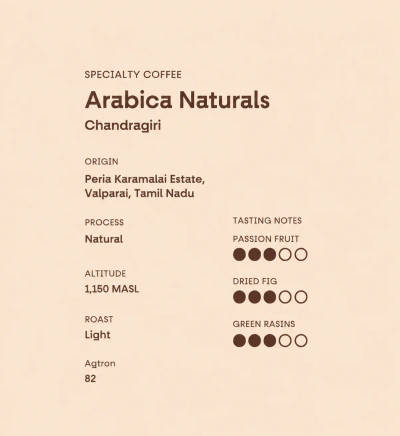
Arabica Naturals
Unrated

Classic Roast Blend
Unrated

Cold Anugraha Washed
Unrated

Melkodige Anaerobic Naturals – Mk Star
Unrated
Read about this

Processing & Flavors
Washed vs Natural vs Honey: What Processing Means for Flavor
Coffee bags list 'washed' or 'natural' processing, but what do these terms actually mean for flavor? Processing method—how the fruit is removed from the seed—creates more flavor variation than origin alone. Here's what each method does, and what ICB's data shows about Indian coffees.

Processing & Flavors
How Fermentation Shapes Coffee Flavour
Every coffee ferments — the variable is how. Understanding the microbial chemistry behind washed, natural, and anaerobic processing explains why the same estate can produce a clean chocolate cup and a grape-forward lot from the same harvest. This article maps the mechanism to the label, with data from ICB's catalog of 1,238 Indian coffees.

Brewing Behaviour
Pour Over for Indian Naturals: Parameters, Drippers, and Regional Differences
Natural-process coffees extract faster and carry more residual CO₂ than washed beans — but most pour over guides are written for washed. This guide covers the four parameter adjustments that correct for natural-process behavior, how to choose between a V60 and Kalita Wave, and how Chikmagalur, Araku, and Coorg naturals differ on the same recipe.
Questions about this coffee
Roast Coffee's tasting notes for Ethiopia Naturals lean toward Cantaloupe, Dates, Grapes and Prunes. Flavor is subjective and shifts with roast freshness, grind size, and brew method, so your cup may vary.
Ethiopia Naturals is a single-origin coffee, sourced from one origin rather than blended, so it reflects the character of that specific place.
Ethiopia Naturals is suggested for Aeropress and Pour Over. As a rule of thumb: espresso needs a fine grind, pour-over and drip a medium grind, and French press or cold brew a coarse grind. Dial in from there to taste.