

Sweet, syrupy texture, complex acidity, citrus notes
Light to Medium roast · other · Sakleshpur
Flavour
Origin and production
As described by Classic Coffees
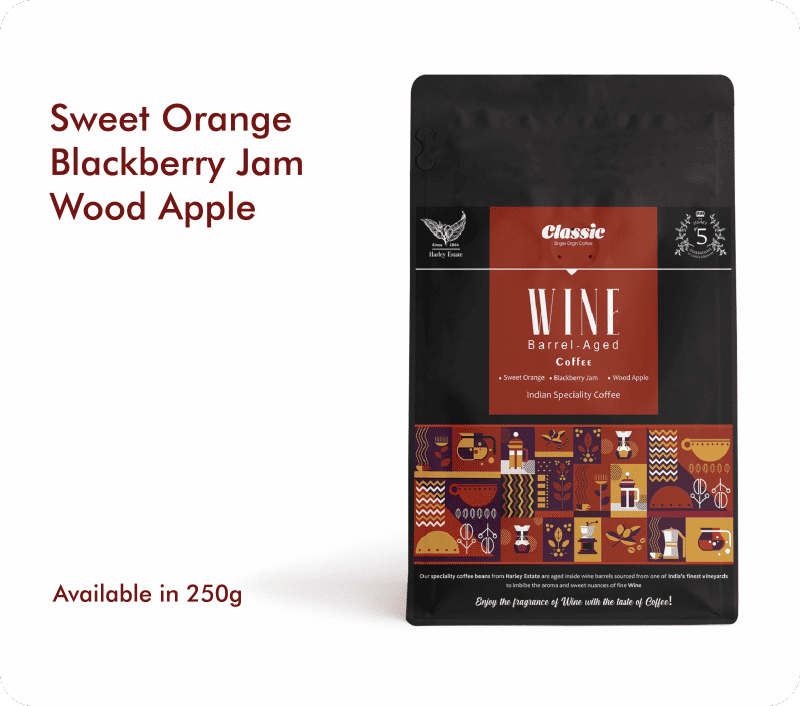
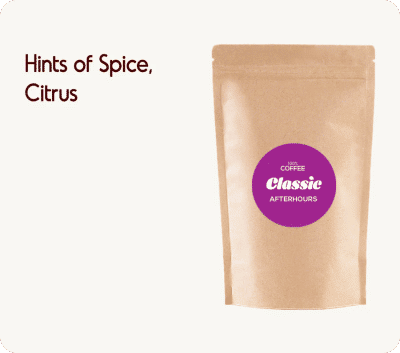
Classic coffee introduces Wine Barrel-Aged Coffee. Specialty coffee from Harley estate is aged inside wine barrels sourced from one of India's finest vineyards to imbibe the aroma and sweet nuances of fine wine. Our Wine Barrel Aged Coffee has hints of Sweet Orange, Blackberry Jam, and Wood Apple. Enjoy the fragrance of Wine with the taste of coffee! Roast Profile: Light to Medium
Brewing
Suggested for Aeropress, French Press.
Pleasant mouthfeel, highlighting sweetness and acidity
Clean, delicate, highlighting light roast complexity
Pack sizes and price
Ratings
What drinkers say
With milk?
More from Classic Coffees
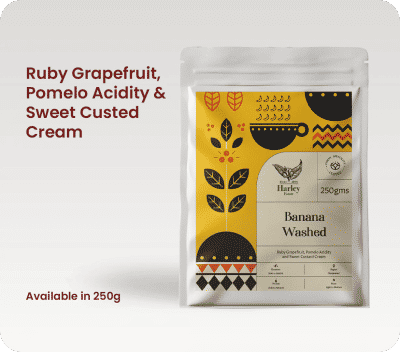
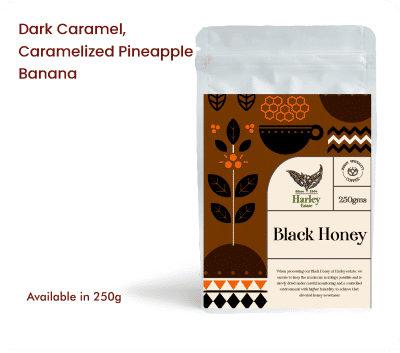
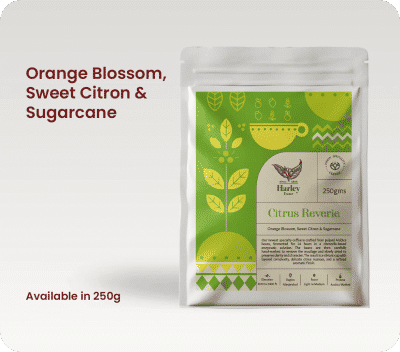
Read about this

Origins & Estates
Where Is Coffee Grown in India: 13 Regions, Flavors & Altitude Data
Coffee is grown in India across three distinct geographic zones — the Western Ghats, the Eastern Ghats, and the northeastern hills. Each zone, and each region within it, has a measurably different altitude, soil, harvest window, and flavor signature. This guide maps all of them using ICB's catalog and the Coffee Board's own regional specs as the data layer.

Origins & Estates
Coffee Estates in India: What They Are and How They Shape the Cup
When a specialty coffee bag lists "Ratnagiri Estate" or "Baarbara Estate", it is making a traceability claim — not just naming a place. This article explains what an Indian coffee estate is operationally, how it produces coffee from cherry to dispatch, and which estates appear most widely across Indian specialty roasters.

Origins & Estates
Indian Coffee Regions: How Geography Shapes Flavor
Two washed, medium-roasted Indian arabicas can taste markedly different depending on which mountain system grew them. This guide works through the four geographic levers that shape Indian coffee flavour — elevation, shade canopy, soil type, and the rainfall calendar that dictates processing — then maps them onto India's primary and secondary growing regions.
Questions about this coffee
Classic Coffees's tasting notes for Classic Wine Barrel-Aged Arabica lean toward Blackberry Jam, Sweet Orange and Wood Apple. Flavor is subjective and shifts with roast freshness, grind size, and brew method, so your cup may vary.
Classic Wine Barrel-Aged Arabica is a single-origin coffee, sourced from one origin rather than blended, so it reflects the character of that specific place.
Classic Wine Barrel-Aged Arabica is suggested for Aeropress and French Press. As a rule of thumb: espresso needs a fine grind, pour-over and drip a medium grind, and French press or cold brew a coarse grind. Dial in from there to taste.