

Full-bodied, clean, minimal sediment
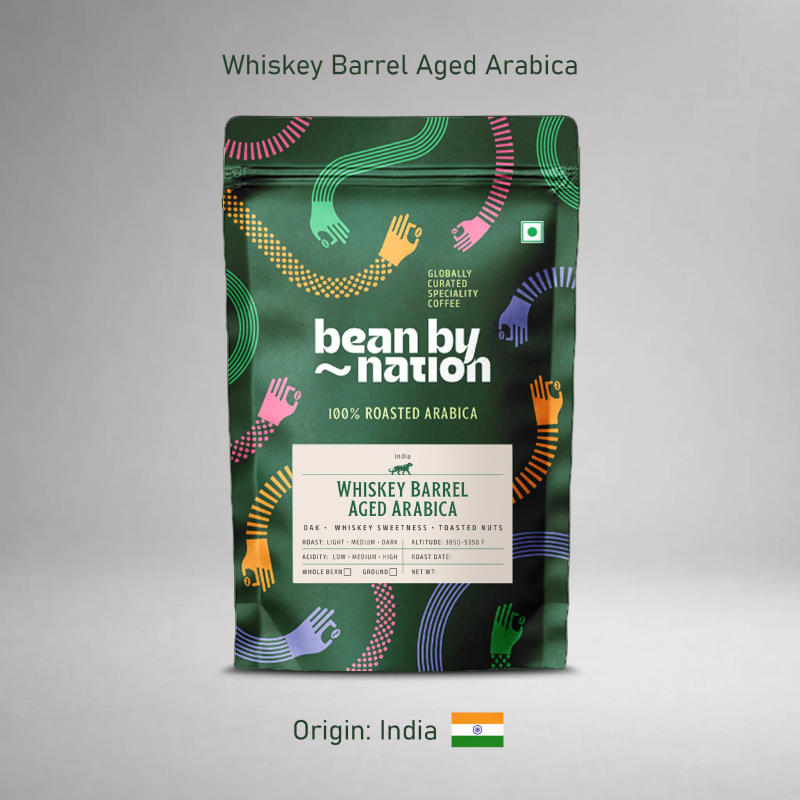
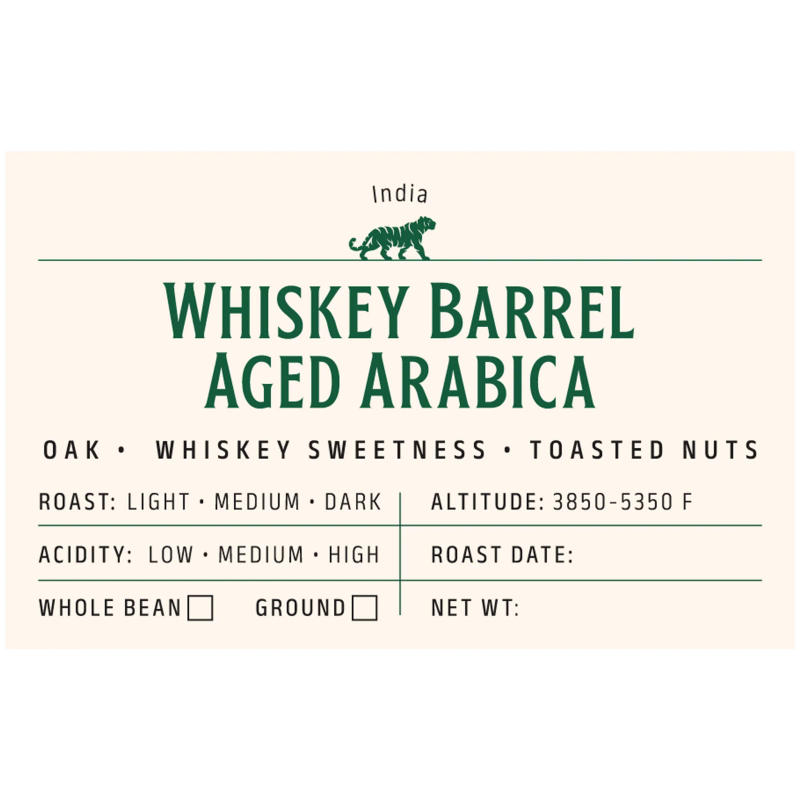
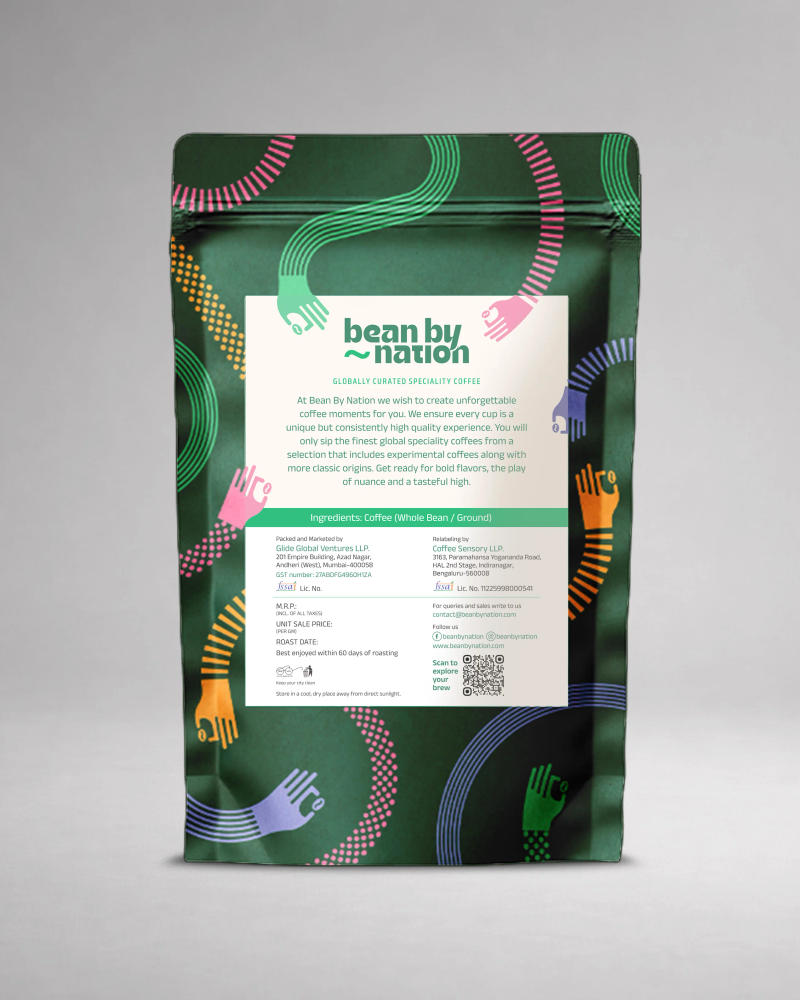
Roasted medium-dark roast · Barrel Aged (Post-harvest aging + roast) · Baba Budangiri
Flavour
Origin and production
- Barrel Aged (Post-harvest aging + roast)
As described by Bean By Nation
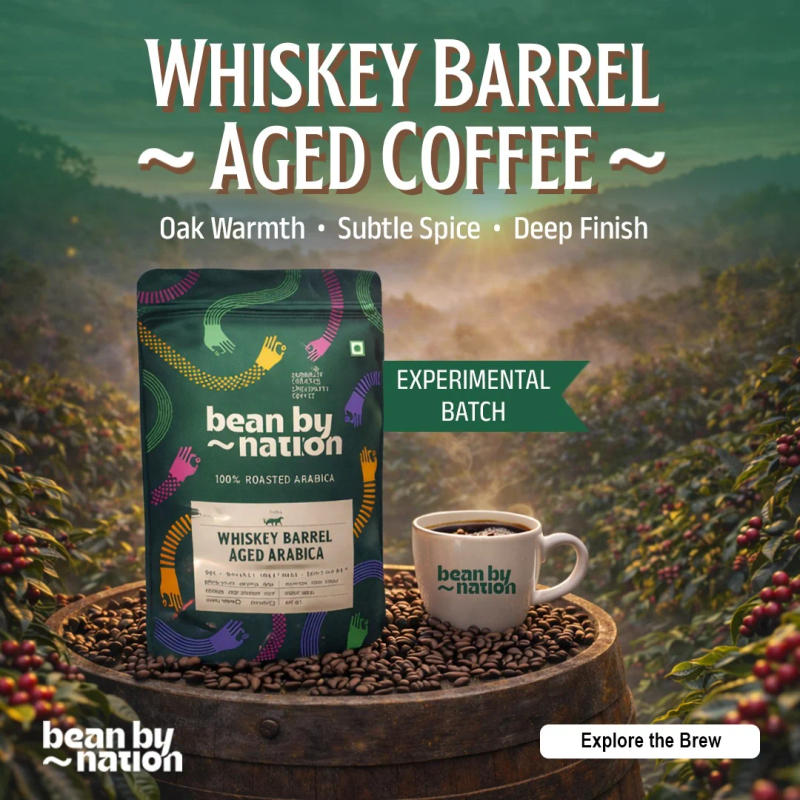
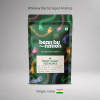
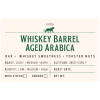
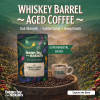
Whiskey Barrel Aged Coffee is an innovative barrel-aged blend where high-quality Arabica beans absorb oak and spirit-infused notes from seasoned whiskey barrels before roasting. Expect rich cocoa nibs, warm oak, and pecan undertones in an indulgent cup with complex aroma and smooth finish - ideal for espresso, French press or relaxed sipping.
Brewing
Suggested for Aeropress, Espresso, French Press, Pour Over. Works with milk (ICB's reading).
Full-bodied, smooth, well-rounded
Short, dense and bittersweet with thick crema
Pack sizes and price
Ratings
What drinkers say
With milk?
More from Bean By Nation


Read about this

Origins & Estates
Baba Budangiri Coffee: Regional Characteristics and What the Label Actually Tells You
Bababudangiri is a highland sub-range inside Chikmagalur district, Karnataka, at 1,000–1,500 m MSL, where Indian coffee cultivation is traditionally dated to the 17th century. The sub-region carries a 2019 GI tag and a reputation as the country's original coffee origin. ICB's directory lists 121 coffees under this label — spanning balanced washed arabica, tropical-fruit anaerobic lots, and complex fermented naturals. The label signals estate-level traceability. It does not describe a single cup profile.

Origins & Estates
Understanding Chikmagalur Coffee: Regional Characteristics and Flavor Patterns
Chikmagalur is India's most-searched coffee origin and the deepest in the catalogue. Its chocolate reputation is real but roast-dependent: dark roasts taste of cocoa and nut, light roasts of fruit and florals. This is the flavour-pattern reference, drawn from 390 catalogued coffees across 50 roasters.

Origins & Estates
How Altitude Affects Flavor in Indian Coffee Estates
Two bags of Indian arabica sit side by side — both washed, both medium-roasted, both from Karnataka. One is bright, with a citrus-edged acidity. The other is dense, earthy, noticeably heavier. The labels say roughly the same thing. The difference, in most cases, is altitude — and reading that difference requires more context than the bag provides.
Questions about this coffee
Bean By Nation's tasting notes for Whiskey Barrel Aged Coffee - 100% Arabica lean toward Oak, Toasted Nuts, Vanilla and Whiskey Sweetness. Flavor is subjective and shifts with roast freshness, grind size, and brew method, so your cup may vary.
Whiskey Barrel Aged Coffee - 100% Arabica is a single-origin coffee, sourced from one origin rather than blended, so it reflects the character of that specific place.
Whiskey Barrel Aged Coffee - 100% Arabica is suggested for Aeropress, Espresso, French Press and Pour Over. As a rule of thumb: espresso needs a fine grind, pour-over and drip a medium grind, and French press or cold brew a coarse grind. Dial in from there to taste.