

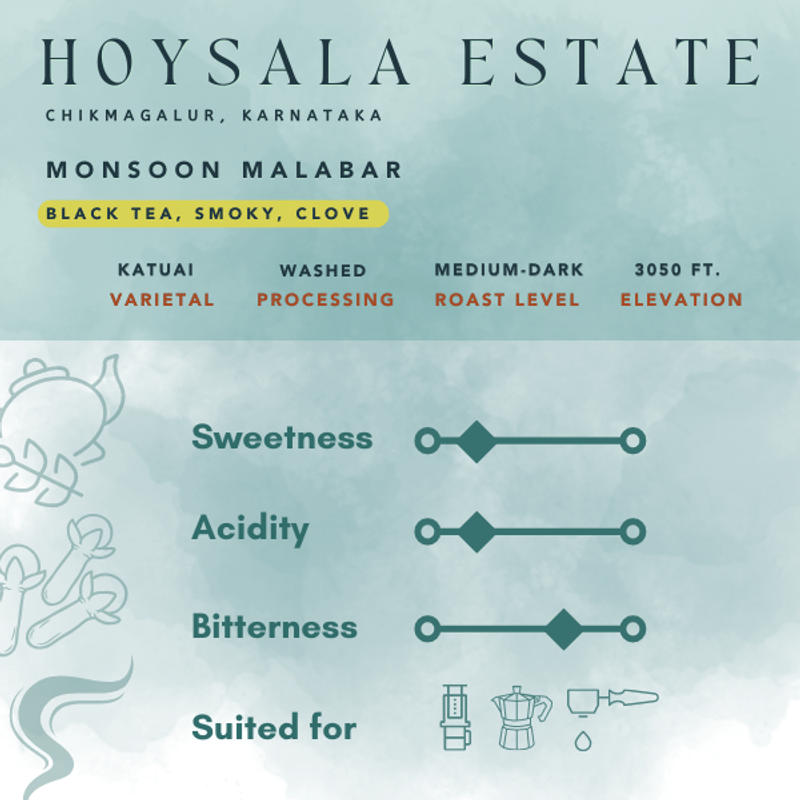
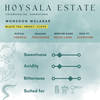
Sweet, syrupy texture, complex acidity, citrus notes
Origin and production
As described by Pahadee Coffee Roasters
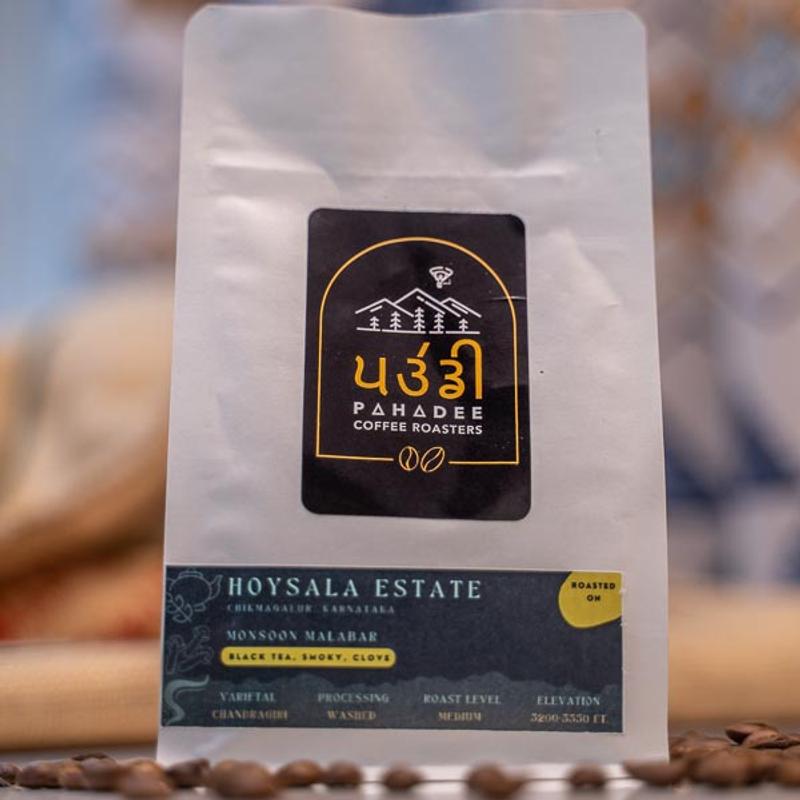
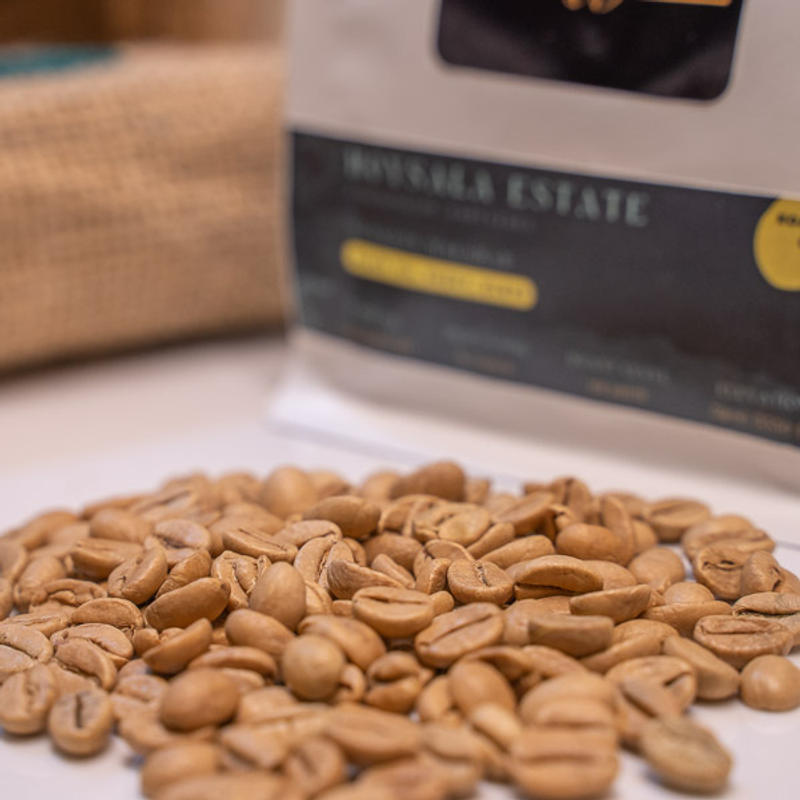
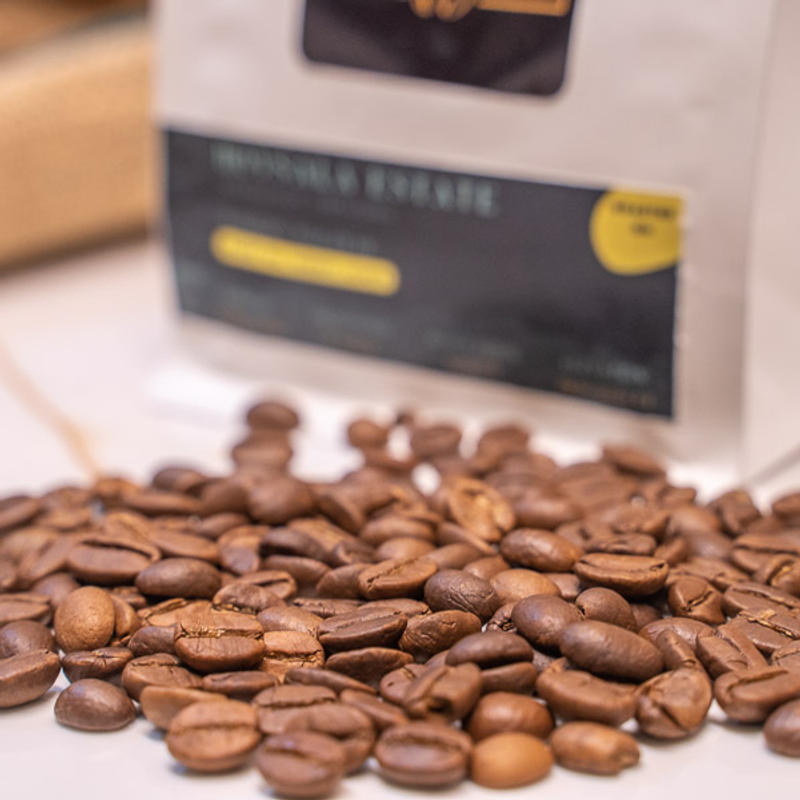
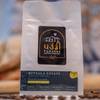
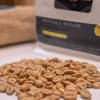
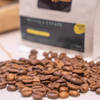
We bring to you Monsoon Malabar from Hoysala estate. An all time favorite of many coffee lovers in India! It is roasted medium to bring out the subtleties of this precisely monsooned arabica coffee. Hoysala team has taken immense care in producing this interesting lot. Hoysala Coffee was founded by third generation plantation owners, as a marketing arm, to make available outstanding quality coffee and spices to discerning customers. These plantations have been in existence since the late 1800’s and they have been producing and exporting coffee and spices across the world. Team Hoysala has coffee planters who like to get closer to the end consumer. They grow both Arabica and Robusta Coffee on their plantations and they are processed in three forms : Washed, Natural and Honey Coffee. They also grow Black Pepper and Cardamom. Crops are grown on slopes with two tier shade, consisting of native jungle trees and erythrina lithosperma trees. This canopy apart from being home to over 200 species of animals, birds, insects and reptiles creates a micro environment like none other. Plantation soil is rich in humus and organic matter with abundant natural minerals that play host to some of the most diverse and rare soil microbes and soil fungi. Time tested practices that use organic and inorganic inputs are deployed, being ever-conscious of their footprint on the local ecology and long term sustainability of the plantation. This monsoon malabar only consists of AA grade arabica beans, which results in much more bolder flavors! We recommend this offering as an espresso. Moka pot and aeropress will be your best bet if you are brewing this at home.
Brewing
Pack sizes and price
Ratings
What drinkers say
With milk?
More from Pahadee Coffee Roasters
Read about this

Processing & Flavors
What is Monsooned Malabar Coffee?
Monsooned Malabar is not a roast level or a variety — it is a post-harvest processing method applied to green beans on India's Malabar Coast. The process originated as a colonial shipping accident and has been deliberately replicated since the 19th century. It produces a distinct flavor profile: near-zero acidity, heavy body, and earthy, nutty, spiced character unlike any other Indian coffee.

Ecosystem Intelligence
How India's Coffee Processing Mix Is Changing
At commodity volume, Indian arabica has been wet-processed for over a century. The specialty roaster catalog shows something different: experimental methods now represent more than 20% of labeled coffees in a directory of 1,240 entries, up from roughly 7–8% in an earlier snapshot. This is a field guide to the two-track processing shift: what the data shows, where it is happening, and what drives the divergence between the commodity baseline and the specialty catalog.

Origins & Estates
Coffee GI Tags in India: What They Certify (and What They Don't)
A GI tag on an Indian coffee bag is a geographic authenticity claim, not a quality grade. Seven Indian coffees hold GI registration — two Monsooned Malabar varieties since 2007, and five regional coffees since 2019. Understanding what that mark certifies changes how you read a label.
Questions about this coffee
Hoysala Estate – Monsoon Malabar is a single-origin coffee, sourced from one origin rather than blended, so it reflects the character of that specific place.
Hoysala Estate – Monsoon Malabar is suggested for Aeropress, Espresso and Moka Pot. As a rule of thumb: espresso needs a fine grind, pour-over and drip a medium grind, and French press or cold brew a coarse grind. Dial in from there to taste.