


Chaundikad – Arabica Naturals
Unrated
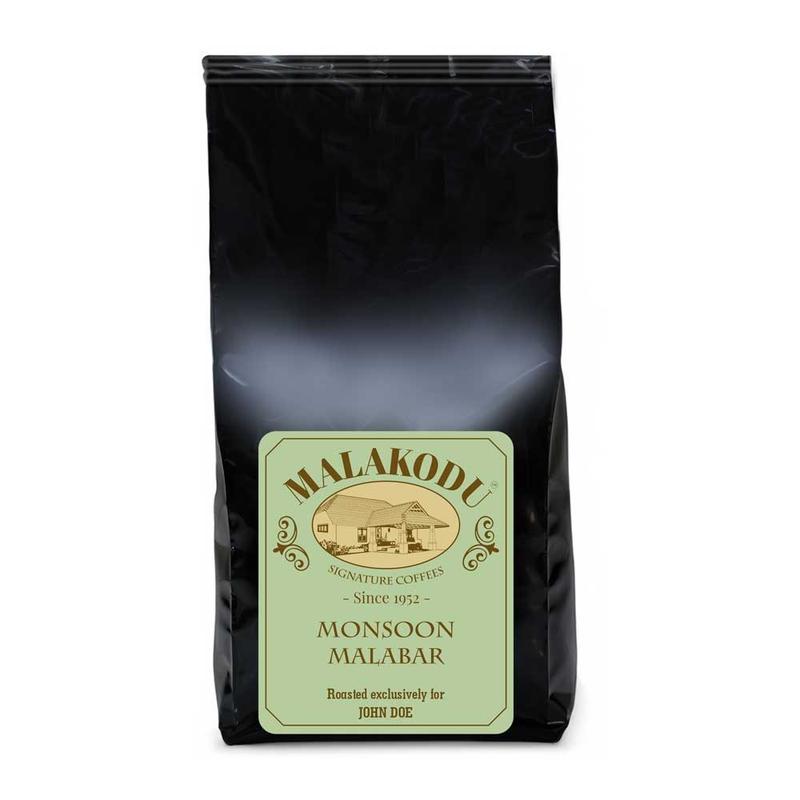
Unveil the magic of the monsoons with our Monsoon Malabar Coffee, This coffee undergoes a transformative monsooning process, resulting in an unparalleled depth of flavor and a smooth, mellow cup that tells the story of the Indian monsoon. Harvested coffee beans are exposed to the moist monsoon winds of the Malabar coast. This natural aging process, lasting several weeks, swells the beans and infuses them with the essence of the monsoon. The result is a coffee that is lower in acidity but rich in body, with a unique, earthy flavor profile that sets it apart from any other coffee.
With milk?
Unrated

Unrated

Unrated

Unrated

Processing & Flavors
Monsooned Malabar is not a roast level or a variety — it is a post-harvest processing method applied to green beans on India's Malabar Coast. The process originated as a colonial shipping accident and has been deliberately replicated since the 19th century. It produces a distinct flavor profile: near-zero acidity, heavy body, and earthy, nutty, spiced character unlike any other Indian coffee.

Ecosystem Intelligence
At commodity volume, Indian arabica has been wet-processed for over a century. The specialty roaster catalog shows something different: experimental methods now represent more than 20% of labeled coffees in a directory of 1,240 entries, up from roughly 7–8% in an earlier snapshot. This is a field guide to the two-track processing shift: what the data shows, where it is happening, and what drives the divergence between the commodity baseline and the specialty catalog.

Origins & Estates
A GI tag on an Indian coffee bag is a geographic authenticity claim, not a quality grade. Seven Indian coffees hold GI registration — two Monsooned Malabar varieties since 2007, and five regional coffees since 2019. Understanding what that mark certifies changes how you read a label.