


Chaundikad – Arabica Naturals
Unrated
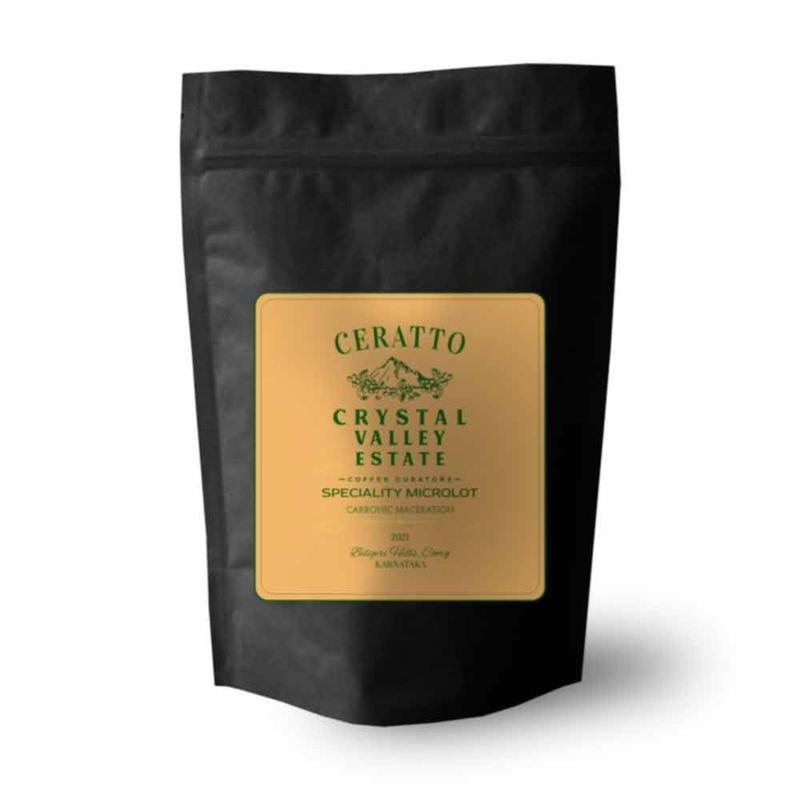
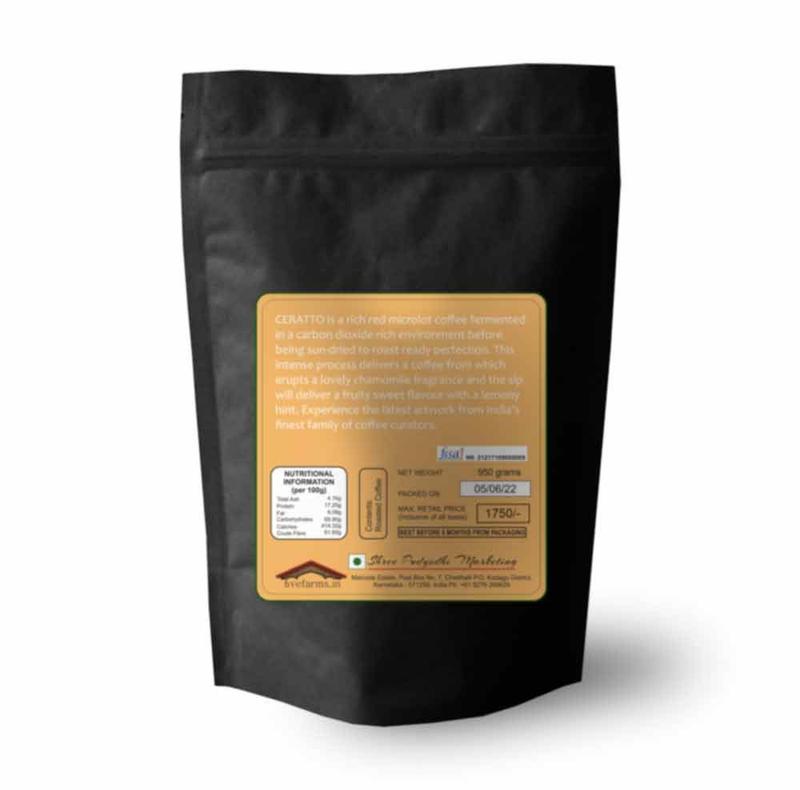
medium roast · fermenting ripe berries in the carbonic maceration process · Coorg
Ceratto is produced by fermenting ripe berries in the carbonic maceration process. This nouveau method, traditionally employed in winemaking, produces coffee with a distinct flavor profile. This method involves immersing ripe berries in a sealed container filled with carbon dioxide, which acts as a natural fermentation agent. The carbonic maceration enhances the natural flavors of the coffee, giving it a rich and complex taste. The coffee exhibits notes of dried fruit, plum, and chocolate, with subtle hints of acidity and sweetness. The inert fermentation process creates a coffee that is both bright and balanced, with a smooth, velvety finish that lingers on the palate.
With milk?
Unrated

Unrated

Unrated

Unrated

Origins & Estates
Kodagu produces about 35% of India's coffee, and three-quarters of its planted area is robusta. The name "Coorg coffee" covers both a souvenir filter powder and a specialty origin with 143 lots in ICB's catalogue. This guide separates the two.

Origins & Estates
Chikmagalur, Coorg, and Araku are the three names Indian specialty buyers encounter most on coffee bags. This comparison maps the actual flavor patterns across all three regions using ICB catalog data — 219 Chikmagalur coffees, 36 from Coorg, and 9 from Araku — to show how they differ and why.

Origins & Estates
When a specialty coffee bag lists "Ratnagiri Estate" or "Baarbara Estate", it is making a traceability claim — not just naming a place. This article explains what an Indian coffee estate is operationally, how it produces coffee from cherry to dispatch, and which estates appear most widely across Indian specialty roasters.