

Clean, balanced, highlighting origin characteristics
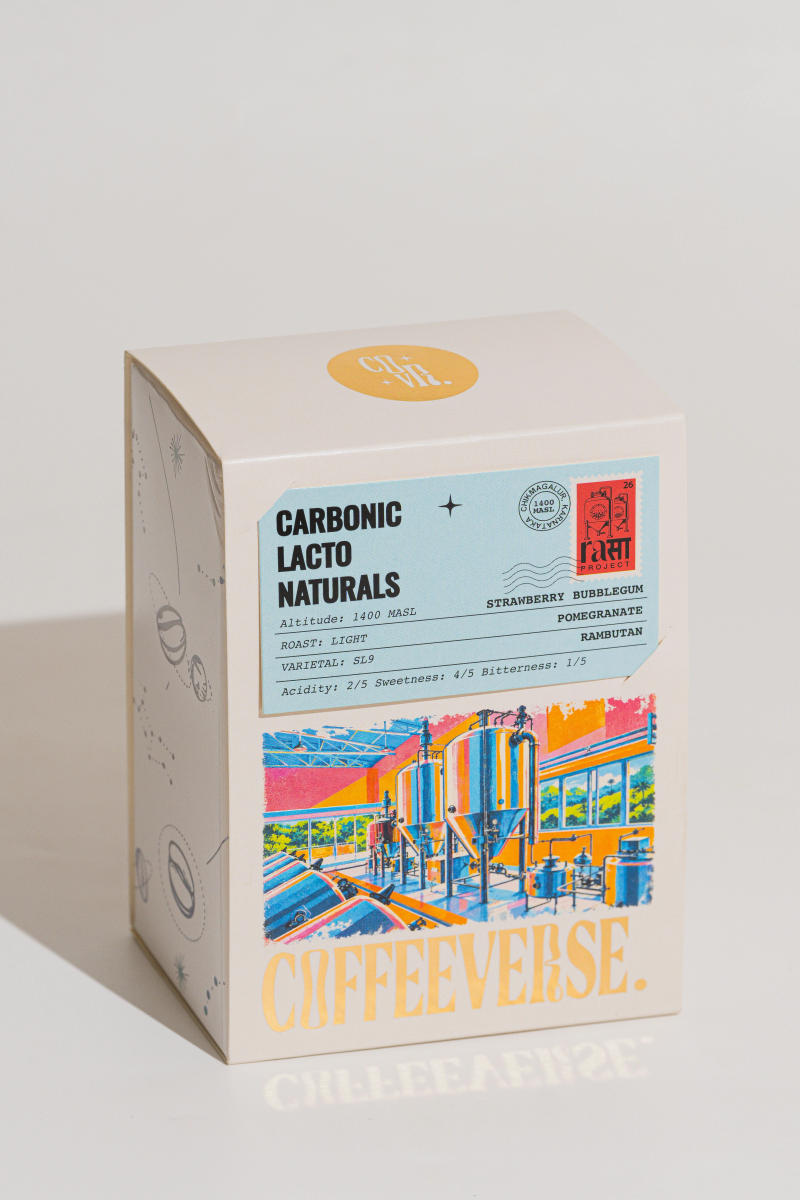
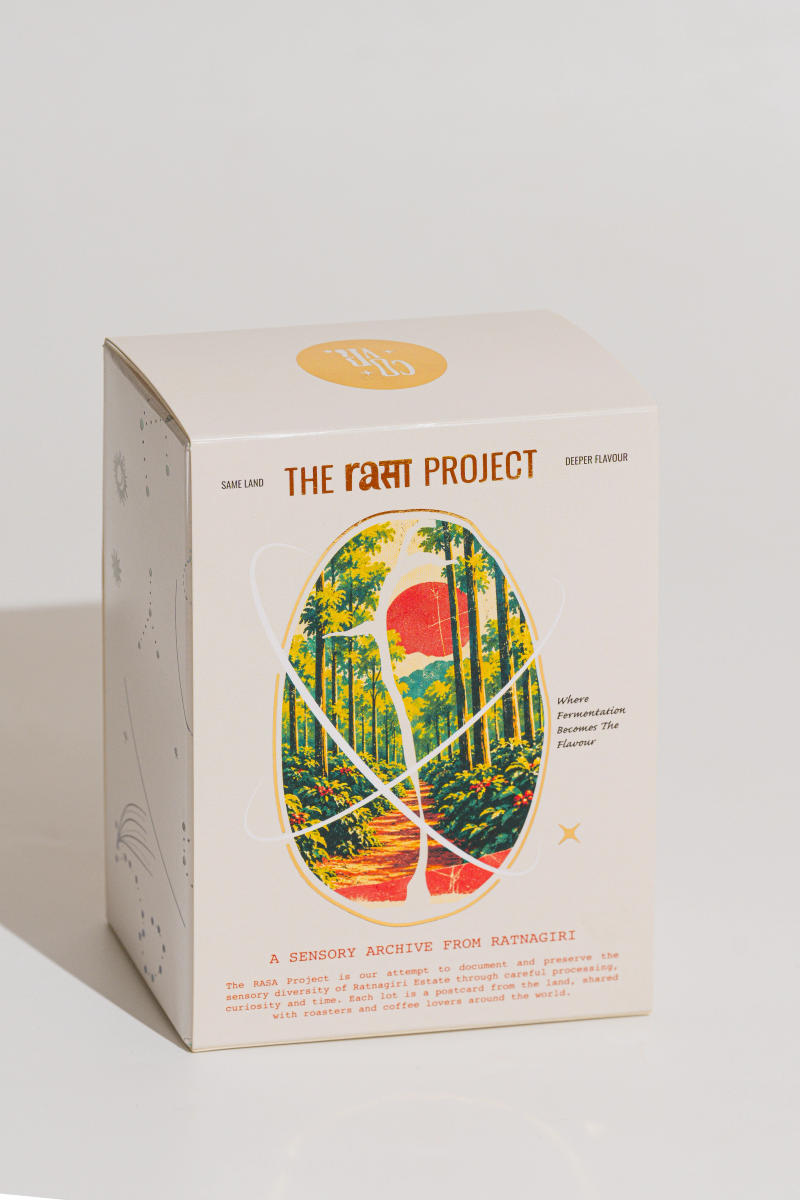
extended carbonic maceration
Origin and production
- extended carbonic maceration
As described by Coffeeverse
This coffee has undergone a 96-hour extended carbonic maceration. Processed naturally, made from the Hemavathi varietal, grown at 4500 feet in the SIVERMARA Patte block. The cherries had a Brix of 25.9 at harvest and were placed in Bio fermenters after floater removal. They were inoculated with various lab-grown cultures, purged with carbon dioxide, and fermented for 96 hours. After fermentation, the beans were dried slowly on raised beds for 31 days, with constant stirring.
Brewing
Suggested for Aeropress, French Press, Moka Pot, Pour Over.
Full-bodied, clean, minimal sediment
Sweet, syrupy texture, complex acidity, citrus notes
Pack sizes and price
Ratings
What drinkers say
With milk?
More from Coffeeverse

84 Hours Anoxic Naturals
Unrated

Anugraha Slow Dried Naturals
Unrated
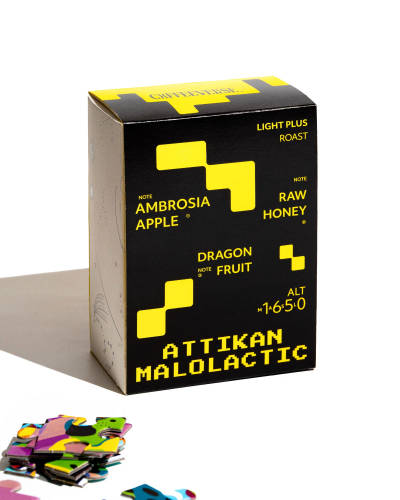
Attikan Malolactic
Unrated
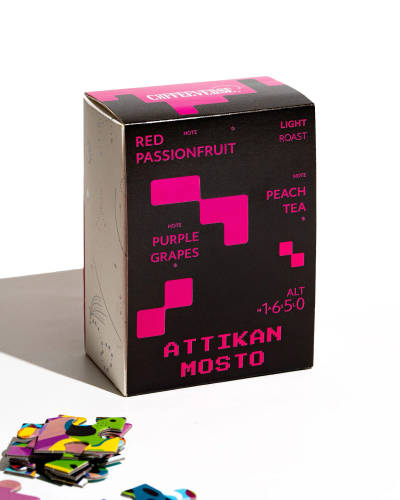
Attikan Mosto
Unrated
Read about this

Brewing Behaviour
AeroPress with Indian Coffee: Recipes by Processing Method
Generic AeroPress recipes are optimized for bright, washed, light-roast coffees. Indian coffees — body-forward, chocolate-nutty, and increasingly fermented — extract differently. This guide provides starting recipes for washed, natural, and anaerobic Indian coffees, with adjustments for roast level and water conditions.

Brewing Behaviour
AeroPress Variables for Indian Washed vs Natural Coffees
Adjust AeroPress grind, temperature, time, and ratio for Indian washed and natural coffees. Data-backed starting recipes from 500+ coffees in the ICB directory.

Brewing Behaviour
Grind Size for Indian Coffee: How to Calibrate by Method and Roast
Grind size determines how fast water extracts from coffee — and for Indian specialty buyers, the standard per-method chart is a starting point, not a fixed answer. Thirty percent of ICB's catalog is light or light-medium roast, coffees that are denser and systematically underextract at standard chart settings. This reference covers the per-method calibration table, the Indian density adjustment, and how to read extraction feedback from the cup.
Questions about this coffee
Rasa – Extended Carbonic Maceration is suggested for Aeropress, French Press, Moka Pot and Pour Over. As a rule of thumb: espresso needs a fine grind, pour-over and drip a medium grind, and French press or cold brew a coarse grind. Dial in from there to taste.