

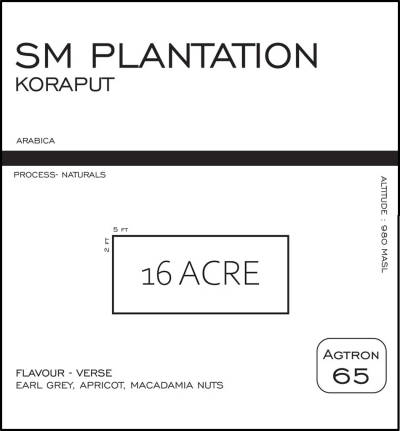
16 Acres-Sm Plantations
Unrated
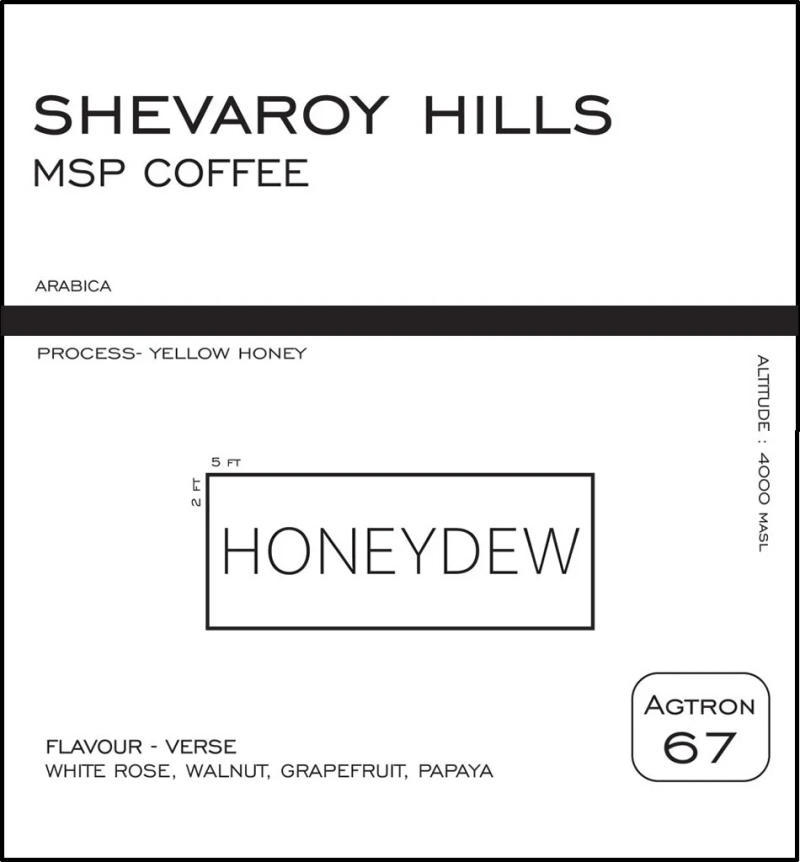
Yellow honey coffee processing is a unique method used in coffee production. It involves leaving a certain amount of the coffee fruit's mucilage, or sticky substance, on the beans during drying. This mucilage is what gives the beans their yellow colour. The process falls between the fully washed and natural processing methods. After harvesting, the coffee cherries are depulped to remove the outer skin. In the case of yellow honey processing, some of the sticky mucilage is intentionally left on the beans. They are then spread out to dry in the sun on raised beds or patios. During this drying phase, the beans undergo fermentation due to the residual mucilage, which can contribute to flavour profiles. The yellow honey process allows for some of the sweetness of the mucilage to be absorbed by the beans, resulting in a cup of coffee with a distinctive flavour profile that often includes fruity, floral, and sometimes wine-like notes. The level of mucilage left on the beans, along with factors like altitude, climate, and processing time, can all influence the final flavour.
With milk?
Unrated
Unrated

Processing & Flavors
Honey process removes the cherry skin but leaves the sticky mucilage layer on the bean during drying. The colour label — yellow, red, black — indicates how much mucilage stayed on and how long it dried, which shapes sweetness, body, and fruit intensity. India's specialty estates have produced 81 honey-process coffees across 42 roasters, making it one of the more widely available processing categories in the Indian catalog.

Processing & Flavors
Coffee bags list 'washed' or 'natural' processing, but what do these terms actually mean for flavor? Processing method—how the fruit is removed from the seed—creates more flavor variation than origin alone. Here's what each method does, and what ICB's data shows about Indian coffees.

Processing & Flavors
A field guide to how washed, natural, honey, anaerobic, and monsooned processing shape the flavor of Indian specialty coffee — with estate examples, tasting benchmarks, and buying guidance.