

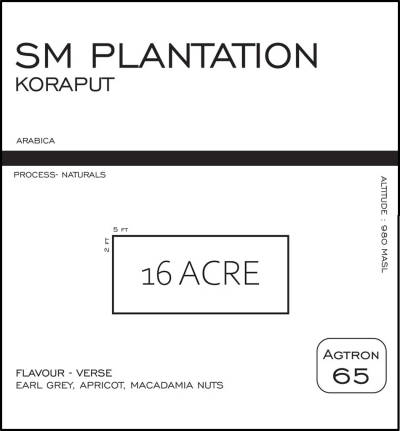
16 Acres-Sm Plantations
Unrated

The anaerobic wash coffee process is a specialized method of coffee processing that involves fermenting coffee beans in an environment devoid of oxygen. This controlled fermentation process is conducted in sealed containers, such as tanks or barrels, which limits the exposure of the beans to air. During anaerobic fermentation, the coffee cherries are typically depulped to remove the outer fruit layer, exposing the beans. These beans are then placed in the anaerobic environment, which can be filled with various substances such as water, fruit juices, or even honey, depending on the desired flavour outcomes. The sealed environment encourages the growth of specific microorganisms that interact with the sugars and acids present in the beans, producing unique and complex flavour. The process can last anywhere from a couple of days to several weeks, during which time the beans absorb flavours from the fermentation medium and undergo chemical changes. The controlled conditions of anaerobic fermentation contribute to the development of distinct flavour profiles that might include fruity, spicy, and sometimes even wine-like notes. Due to the intricate nature of the process and the need for close monitoring, anaerobic wash coffee processing is often considered an experimental and artisanal approach. The results can be highly variable and are influenced by factors such as the type of fermentation medium used, the duration of fermentation, and the specific coffee bean variety. It's important to mention that while the anaerobic wash process can yield unique and desirable flavours, it also requires careful handling to prevent negative outcomes like over-fermentation or spoilage. As with other coffee processing methods, the quality of the beans and the skill of the producer play a crucial role in achieving exceptional results.
With milk?
Unrated
Unrated

Processing & Flavors
One in five coffees in ICB's catalog now carries an experimental process tag. This is a reference guide to the four categories (anaerobic, carbonic maceration, double fermented, and experimental), covering how each works at the fermentation level, which Indian estates and regions produce them, and what the catalog data says about their flavor patterns.

Processing & Flavors
Carbonic maceration is the most widely misused term in Indian specialty coffee. It is a specific sub-type of anaerobic fermentation, not a synonym for it, and the distinction shows up in the cup. This field guide maps what CM is, where it happens in India, and what to expect from the 28 Indian coffees that carry the label.

Processing & Flavors
Every coffee ferments — the variable is how. Understanding the microbial chemistry behind washed, natural, and anaerobic processing explains why the same estate can produce a clean chocolate cup and a grape-forward lot from the same harvest. This article maps the mechanism to the label, with data from ICB's catalog of 1,238 Indian coffees.