


Turkish Coffee with Indian Beans: Grind, Pot and Method
Turkish coffee is a method, not a bean. Coffee ground finer than espresso is heated with cold water in a small pot until the foam rises, then poured unfiltered. This guide covers the grind Indian kitchens struggle to reach, the pot to use on gas or induction, and which Indian roasts and processes hold up in the cezve.

Turkish coffee is coffee ground to a powder, heated with cold water (and sugar, if used) in a small narrow-necked pot called a cezve until a foam rises just short of the boil, then poured into a small cup with the grounds still in it. There is no filter and no pressure. There are also no "Turkish beans": Turkey grows no coffee, and the method works with any bean, Indian coffee included.
In an Indian kitchen the hard part is not the pot or the technique. It is the grind, which has to be finer than espresso. Most home grinders cannot reach it, which turns Turkish coffee into a sourcing question as much as a brewing one. ICB's catalog shows how roasters have answered it: 516 in-stock coffees from 31 roasters are sold ground for Turkish coffee, while roasters tag only 25 coffees as recommended for the method. This guide starts with that grind, then covers the pot, the method and the choice of bean.
What Turkish coffee is
Turkish coffee is an unfiltered immersion brew that finishes near the boil. Because the particles are so fine, they expose a large surface area to the water, and most of the extraction happens in the 2.5–4 minutes the pot takes to heat from cold. The finest particles stay suspended in the cup and give Turkish coffee its heavy, almost syrupy body. The rest settles to the bottom as a sludge, called telve, which is left undrunk.
The foam, köpük, forms as the brew approaches the boil, from dissolved gases, proteins and fine particles collecting at the surface. The cezve's narrow neck concentrates it into a thick layer, and a good cup is judged partly by how much of that layer survives the pour.
Coffee was in use in Istanbul by 1539, and the city's first coffeehouse is usually dated to 1554. In December 2013, "Turkish coffee culture and tradition" was inscribed on UNESCO's Representative List of the Intangible Cultural Heritage of Humanity. The same method goes by other names around the region: Greek, Bosnian and Armenian coffee, with the pot called an ibrik, briki or džezva.
Two drinks with similar names are made differently. Gulf Arabic coffee, qahwa, uses a much lighter roast, is brewed and strained, and is heavily spiced with cardamom. Kashmiri kahwa is a green tea. Indian listings sometimes use "kahwa" for coffee, so the label alone does not tell you which one a pack is meant for.
Turkish coffee next to three related methods
| Turkish | Espresso | South Indian filter | Moka pot | |
|---|---|---|---|---|
| Grind | Powder, ~40–220 µm | Fine, 200–350 µm | Fine sand, 350–550 µm | Medium-fine, 400–600 µm |
| Filter | None | Metal basket | Perforated metal | Metal basket |
| Pressure | None | ~9 bar | Gravity | Low steam pressure |
| Serve | 60–90 ml with grounds | 30–40 ml | Decoction with milk | 50–100 ml |
Of the four, Turkish coffee has the finest grind, and it is the only one with no filter and no pressure.
The grind: finer than espresso
The target texture is powder: it should feel like flour or cocoa when rubbed between the fingers. Grind charts place Turkish coffee at roughly 40–220 µm. That is finer than espresso, which in ICB's grind size reference sits at 200–350 µm and is the finest band that table covers. Turkish can go further because nothing limits it except mouthfeel. There is no filter to clog and no packed bed for water to channel through. A coarser grind gives a thin, gritty cup with little foam.
Most Indian kitchens get stuck here. A mixer grinder is a blade grinder. It produces Turkish-fine dust and coarse chunks in the same batch, and while the dust is the right size, the chunks end up as grit on the tongue. Sifting the result through a fine tea strainer and regrinding what stays behind helps, at the cost of time and some coffee. Most entry-level electric burr grinders stop around espresso fineness. Hand grinders with a dedicated Turkish setting can reach it, and so can many espresso-capable burr grinders at the bottom of their range. ICB's note on how grinder choice affects extraction covers why particle spread matters as much as average size.
The practical alternative in India is to buy coffee already ground for Turkish. According to ICB's catalog data on 22 October 2026, 516 in-stock coffees from 31 roasters are offered in a Turkish grind, across 1,300 pack variants. For comparison, South Indian filter grind is offered on 762 coffees from 50 roasters, and espresso grind on 1,165 coffees from 78. Only 25 in-stock coffees, from 6 roasters, are tagged by their roasters as recommended for Turkish coffee. Roughly twenty coffees are sold in the grind for every one that carries the recommendation. Indian roasters already grind for a method they rarely recommend. A reader without a fine grinder can buy the right grind, even if advice on which beans to use is scarce.
Pre-ground powder goes stale quickly. The finer the grind, the faster it loses aroma, and Turkish is the finest grind sold. Small packs used within one to two weeks of opening hold up better than a large bag, kept sealed and away from heat and humidity as described in ICB's guide to storing coffee at home.
Filter coffee powder is not Turkish grind: South Indian filter powder is coarser (fine sand, not flour) and often contains chicory. Without a filter, chicory dissolves into the cup and turns it muddy and bitter. The result is drinkable, but it is not Turkish coffee.
The pot: cezve, size and your stove
A cezve has a wide base, a narrow neck and a long handle. The base heats the water, the neck squeezes the foam into a thicker layer and slows a boil-over, and the handle keeps your hand clear of a gas flame. Traditional pots are copper or brass, which should be lined with tin inside; stainless steel and enamel versions are also common.
Which material to buy depends on the stove. Copper and brass heat evenly and work well on gas, but they do not work on induction. On an induction cooktop, the pot needs a magnetic stainless steel or tri-ply base. A fridge magnet that sticks to the bottom is a quick check.
A pot holding about 100–200 ml suits one or two cups. A half-empty large pot spreads the coffee too thin and foams poorly. Fill to the base of the neck, not above it, so the foam has room to rise. Without a cezve, the smallest saucepan with a pouring lip will work; the foam is thinner because there is no neck to concentrate it.
Heat slowly: On gas, use the smallest burner on its lowest setting. One cup should take about 2.5–4 minutes to go from cold water to the foam rise. Faster heat brings the foam up before the coffee has extracted.
How to make Turkish coffee: step by step
Turkish coffee, one cup
| Method | Grind | Ratio | Time | Notes |
|---|---|---|---|---|
| Turkish coffee, one cup | Powder, ~40–220 µm | About 1:9 to 1:10 | 2.5–4 minutes | water: 70–90 ml, cold, filtered; heat: Lowest flame; serve: 60–90 ml cup, with a glass of water |
Measure the water
Fill the cup you will serve in with cold water and pour it into the cezve.
Add coffee and sugar
Add 7–9 g of Turkish-ground coffee per cup. If you take sugar, add it now; it cannot be stirred in later without breaking the foam.
Stir once
Stir for about 10 seconds, until no dry clumps float on top. This is the only stir.
Heat low
Set the pot on the lowest flame.
Watch, don't stir
A dark ring forms at the edge, then a fine foam begins to climb the neck, usually at 2.5–4 minutes.
Lift before the boil
Take the pot off the heat as the foam rises, before large bubbles break through the surface.
Share the foam
Spoon a little foam into each cup.
Optional second rise
Return the pot to the heat for one more rise only. More rises push the cup toward bitterness.
Pour slowly
Pour down the side of the cup so the foam stays on top.
Let it settle
Rest the cup for 1–2 minutes so the grounds sink. Sip from the top and stop before the sludge.
The glass of water is traditionally drunk first, to clear the palate.
Altitude: Water boils at about 97 °C in Bengaluru and lower in hill towns. The foam still rises before the boil, so the visual cue works anywhere. Watch the pot rather than a thermometer. ICB's water temperature guide lists boiling points for Indian cities.
Sugar levels and cardamom
Turkish coffee is ordered by sweetness, and the sugar is decided at the start because it goes in with the cold water. The four conventional levels are sade (no sugar), az şekerli (a little, about half a teaspoon), orta (medium, about one teaspoon) and şekerli (sweet, about two teaspoons) per cup. These quantities are convention rather than a standard, and households vary.
Cardamom is a common addition in Arab, Levantine and Armenian versions of the drink. It is also an Indian crop. India is the world's second-largest producer of small green cardamom after Guatemala, and Kerala grows most of India's crop, concentrated in Idukki district. To add it, crush one or two green pods and put them in the pot with the coffee, or grind them with the beans.
Cardamom also appears on ICB as a roaster's tasting note, on 12 in-stock coffees. That is a flavour descriptor for the coffee itself, not added spice. Two listings from Mercara Gold Estate are sold as Turkish- and Arabic-style blends.
Which Indian coffees work in a cezve
Roast level matters more in a cezve than in most methods. The brew finishes close to 100 °C, with powder-fine particles, so extraction is fast and high. Dark roasts tip towards harsh and ashy quickly under those conditions. Specialty sources tend to favour light-to-medium roasts, while traditional commercial Turkish blends sit around medium.
A medium-roast washed Arabica from Chikmagalur or Coorg is a forgiving default. Its chocolate and nut notes suit the heavy body of an unfiltered cup, and washed coffees tend to stay clean at high extraction.
Other coffees work with some adjustment:
- Light and light-medium roasts give more clarity and fruit, but they are the least forgiving of overheating. Take them off at the first rise and skip the second.
- Naturals carry their fruit into the cup, but near-boil heat can push ferment notes forward. One rise only.
- Monsooned Malabar has low acidity and a heavy body that read naturally in an unfiltered cup. It can turn flat or woody if overheated, so keep the flame low and stop at one rise.
- Robusta adds body, and so does an Arabica-Robusta blend. Straight robusta tends to turn harsh at near-boil temperatures, so a blend with 20–30% robusta is the gentler way to try it.
- Chicory blends are built for a filter and milk. Unfiltered, they turn muddy.
Of the 516 coffees sold in a Turkish grind, 221 (43%) are light or light-medium, 138 are medium, and 141 are medium-dark or dark. Roasters offer the grind across the whole roast range, so picking the roast is left to the buyer. By species, 389 are Arabica, 63 are blends and 21 are straight robusta. The light-roast share is higher than in the catalog as a whole (509 of 1,515 in-stock coffees, 34%), so anyone after a traditional medium cup needs to check the roast as well as the grind.
The 25 coffees roasters tag as recommended for Turkish coffee come from six roasters, led by Devan's with 14 and Naivo Coffee with 5. Most of these listings carry seven or more brew-method tags, so the Turkish tag usually means "suits many methods" rather than "built for the cezve". Since 14 of the 25 come from one roaster, the tag says more about how that roaster labels its coffees than about which coffees suit a cezve. For this method, whether a roaster offers the grind tells you more than the tag does.
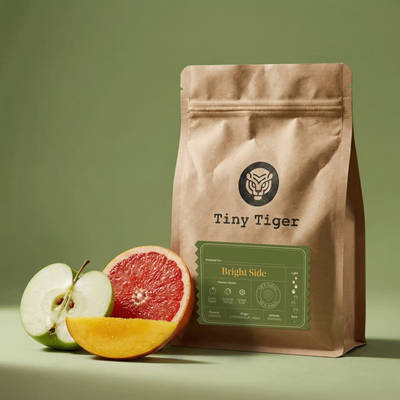
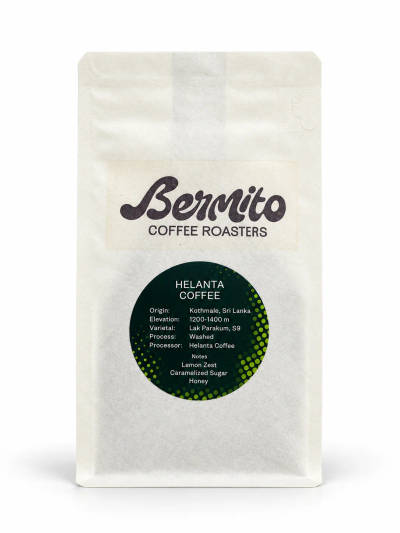
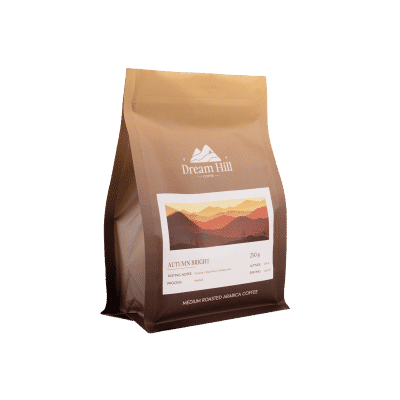
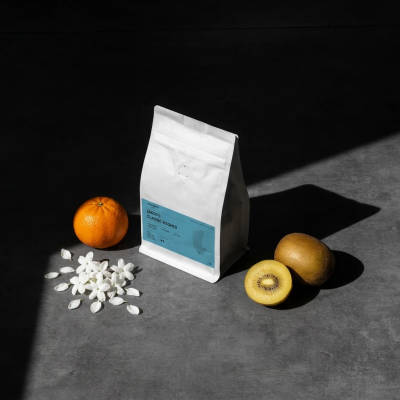
Medium-roast washed coffees on ICB


Troubleshooting
| Symptom | Likely cause | Try |
|---|---|---|
| No foam | Heat too high, grind too coarse, stirred during heating, stale powder, pot too big | Lowest flame, finer or fresher grind, one stir only, smaller pot |
| Boiled over | Missed the rise | Lift sooner; fill only to the neck |
| Bitter, harsh | Dark roast, boiled, repeated rises | Medium roast, lift before the boil, one rise |
| Thin, gritty | Grind too coarse, or mixer-grinder chunks | Finer grind, sift, or buy a roaster's Turkish grind |
| Muddy, sour-bitter | Chicory blend or filter powder | Pure coffee in a Turkish grind |
| Flat, little aroma | Powder opened weeks ago | Smaller packs, used within 1–2 weeks |
A note on unfiltered coffee
Cafestol and cholesterol: Unfiltered coffee carries cafestol and kahweol, oils that paper filters mostly remove. A 1995 study in the American Journal of Clinical Nutrition found Turkish-style coffee held 2–5 g of fine particles per litre, and that consuming coffee fines raised serum cholesterol. The effect matters most for people managing cholesterol who drink several cups a day.