

Balanced, sweet, syrupy body with clear acidity
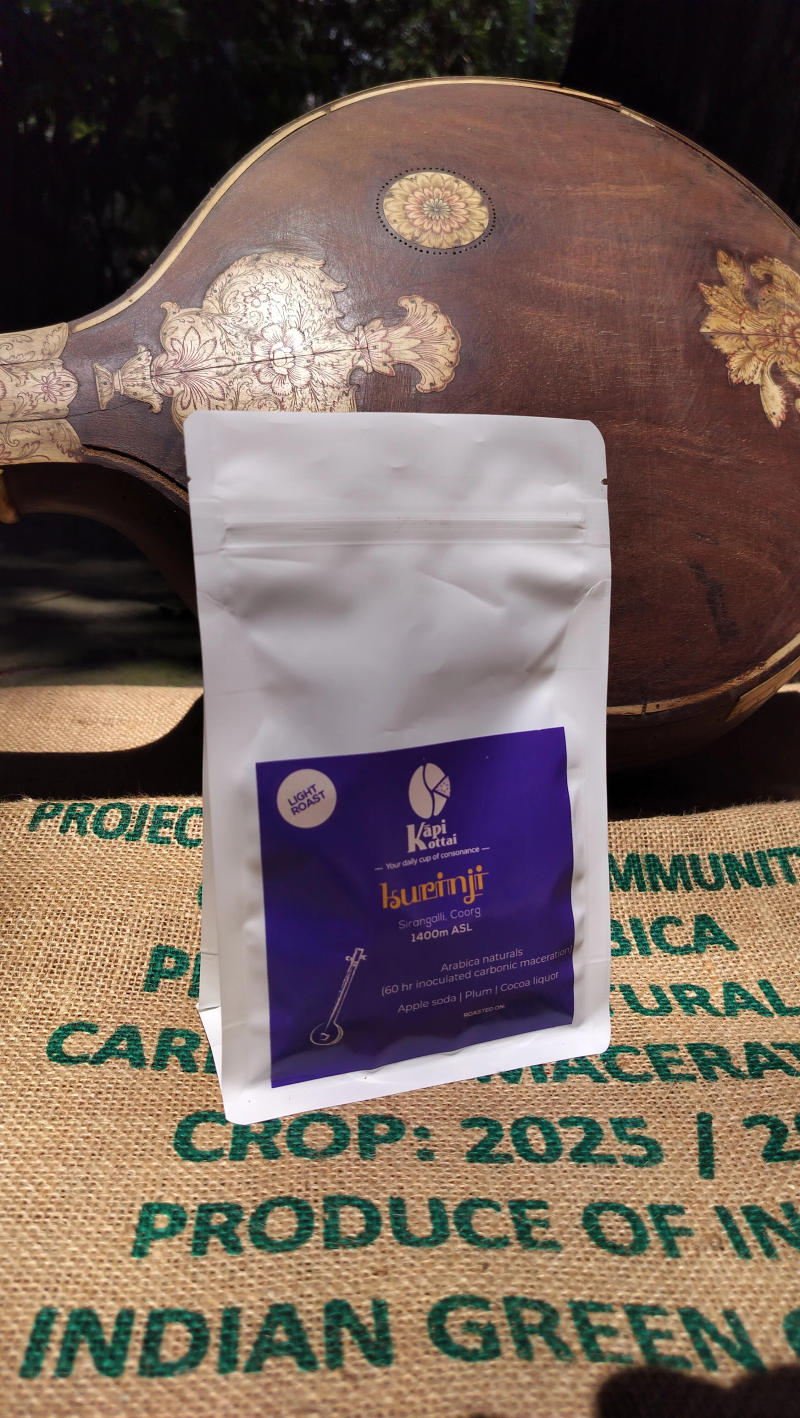
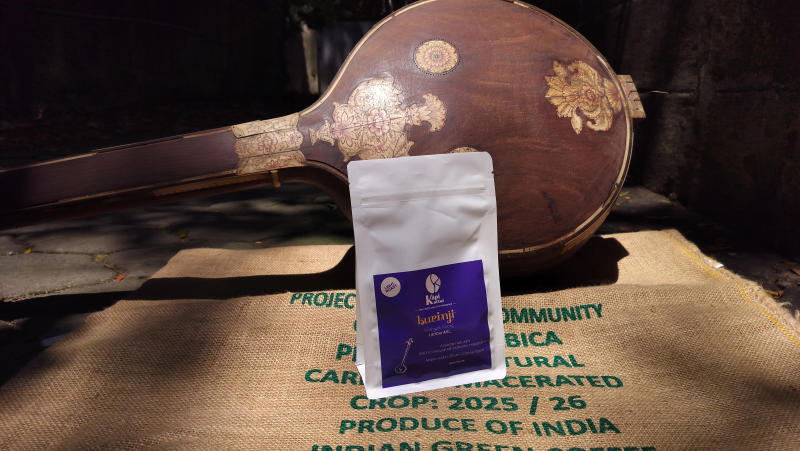
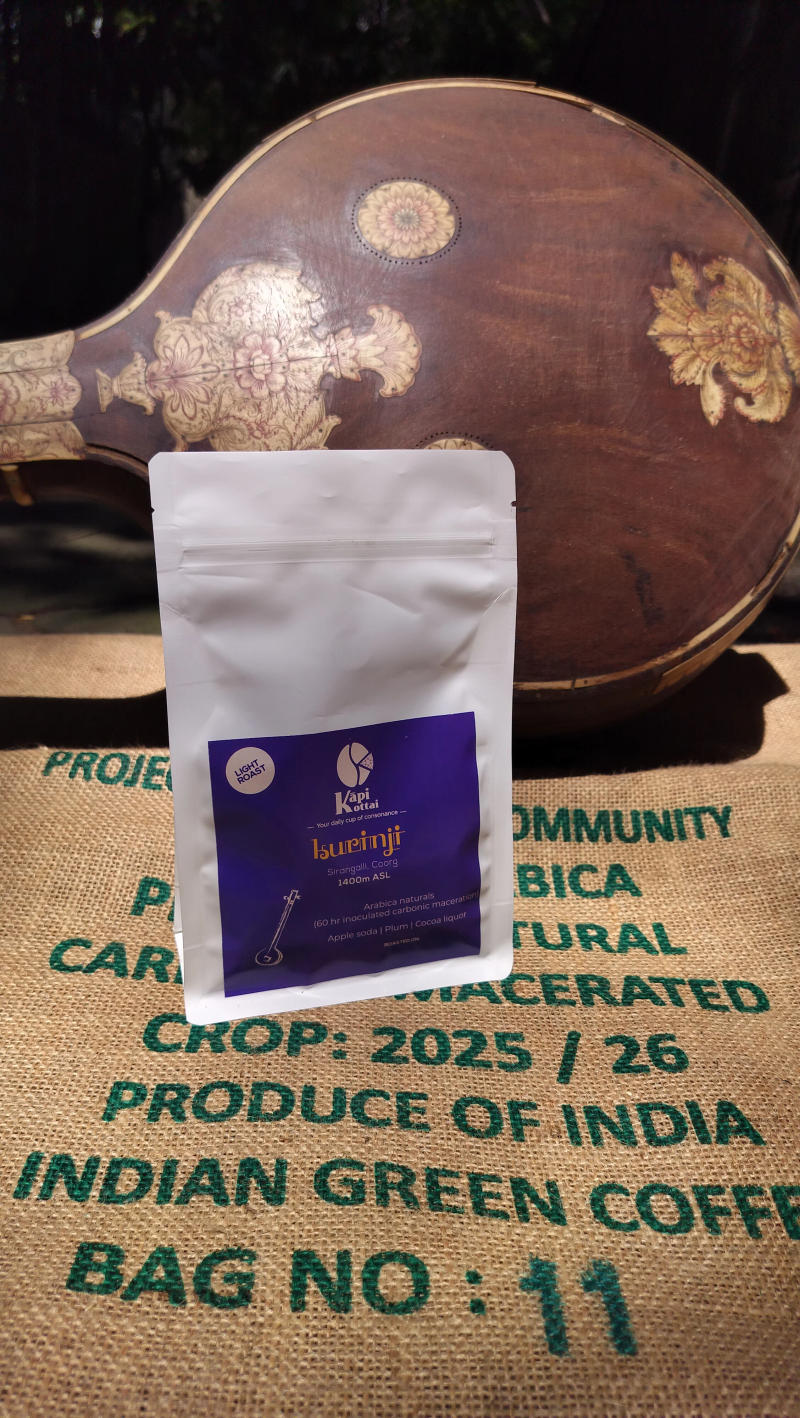
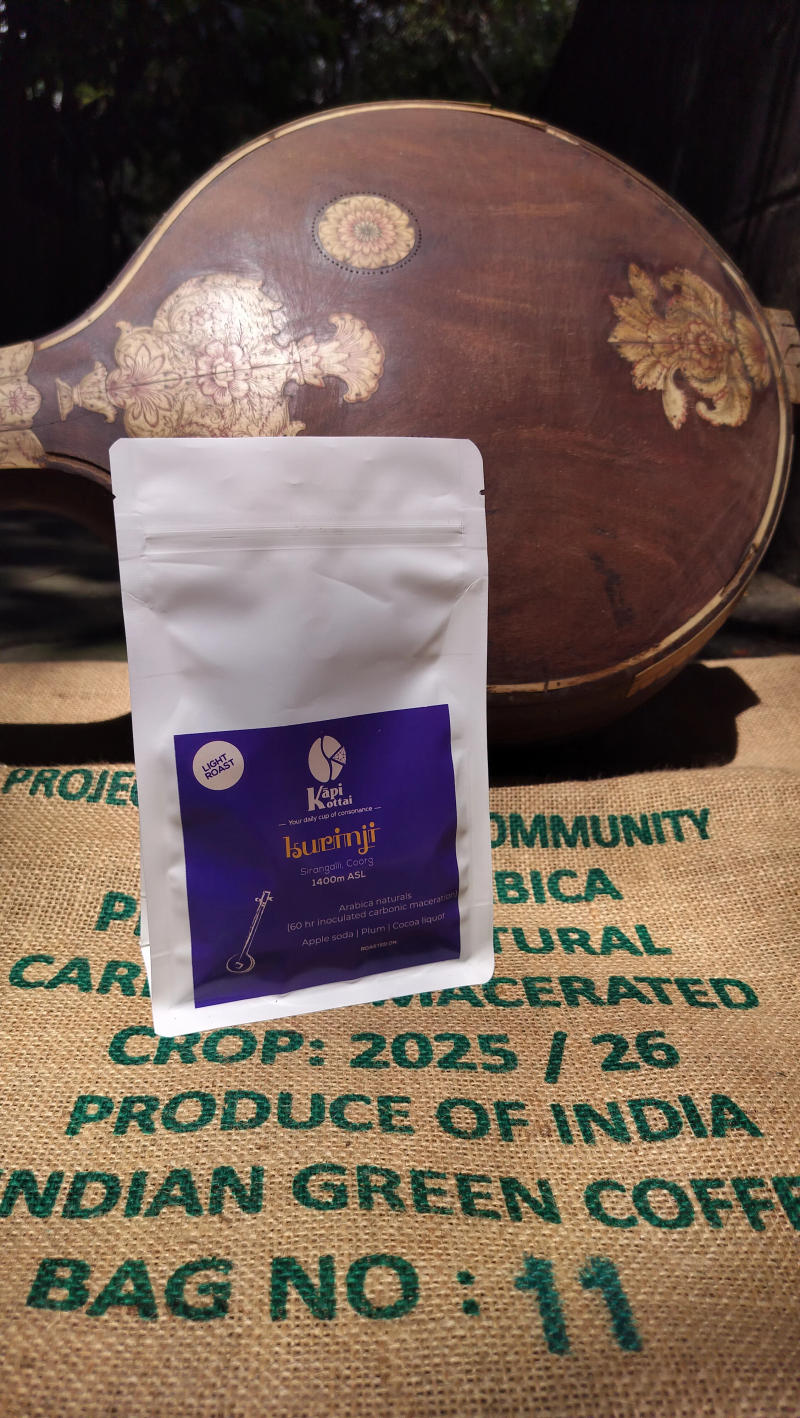
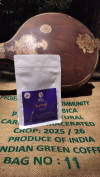

inoculated with a custom yeast culture and a controlled carbonic maceration enviornment · Pushpagiri Range Of Coorg
Flavour
Origin and production
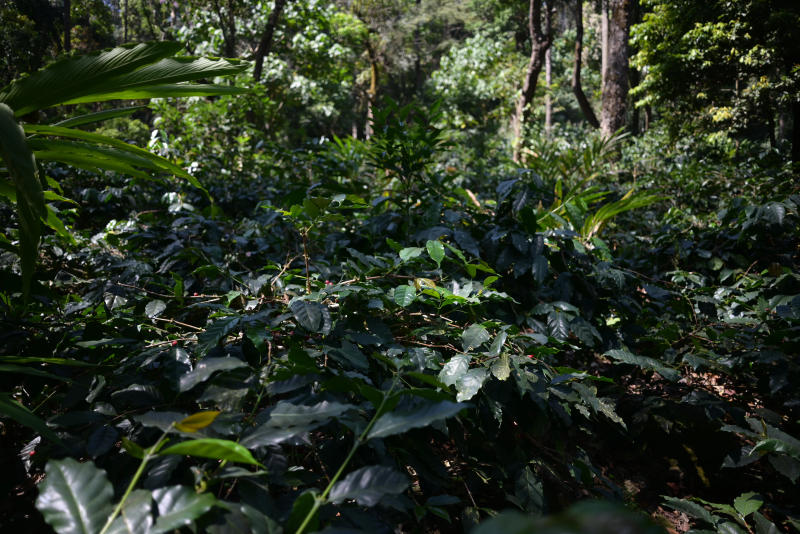
- Pushpagiri Range Of Coorg, Sirangalli, Coorg, Karnataka
- inoculated with a custom yeast culture and a controlled carbonic maceration enviornment
As described by Kapi Kottai
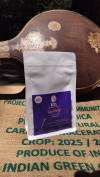
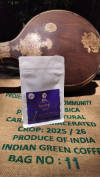
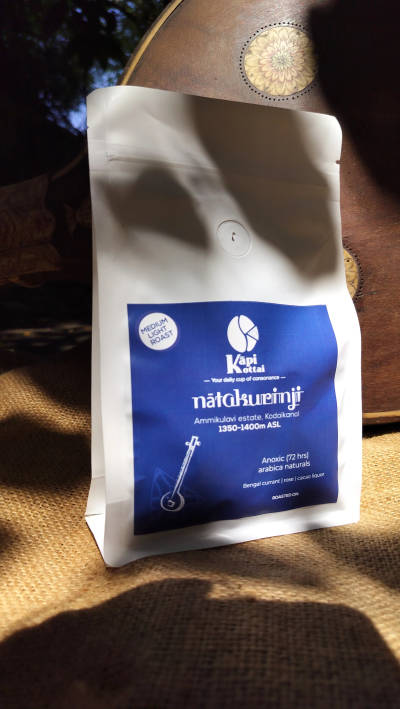
The Sirangalli Community Project is a sustainable coffee farming initiative by the South India Coffee Company (SICC) that works with small coffee farmers in the Pushpagiri Range of Coorg. These biodiverse farms range from 1 - 10 acres and are family run operations. The lots selected for the project have been processed at Mooleh manay estate. We had featured the coffees from Sirangalli under our Anuswaram series and liked them enough to bring one back as a perennial offering. The lot we chose from the Sirangalli project is a complex natural that is very similar to this year's best seller , Mind=Blown. This is because the coffee has been processed in a similary intricate manner The start of the processing is by picking ripe arabica cherries and using a syphon tank to remove immature cherries that float.The sunken cherries are then put in sealed barrels , inoculated with a custom yeast culture and a controlled carbonic maceration enviornment is created. The fermentation lasts for 60 hours. The cherries are then dried in a poly house for 10 days, where they are raked constantly to ensure even drying. This intricate process has resulted in a very fruity cup that reminds us of Apple soda from start to finish! There's some plum like acidity and some chocolatey sweetness to round things out. Kurinji the coffee really shines in iced manual brews 15 days from date of roast and makes for a very interesting espresso 25 days post date of roast.
Brewing
Suggested for Espresso, Iced Coffee.
Short, dense and bittersweet with thick crema
Lighter body, clear and sweet, less bitterness
Pack sizes and price
Ratings
What drinkers say
With milk?
More from Kapi Kottai
Read about this

Brewing Behaviour
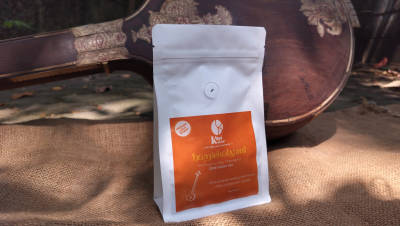
Espresso at Home with Indian Coffees: Washed, Natural, and Blend Behaviour
Indian coffee has a reputation for espresso reliability — dense beans, low acidity, chocolate-forward profiles that extract cleanly under pressure. That reputation holds, but only for one part of the catalogue. Washed, natural, and blend coffees behave differently enough under 9 bar that a single dial-in recipe will work for some and fail for others in ways that are predictable, once the pattern is clear.

Brewing Behaviour
Grind Size for Indian Coffee: How to Calibrate by Method and Roast
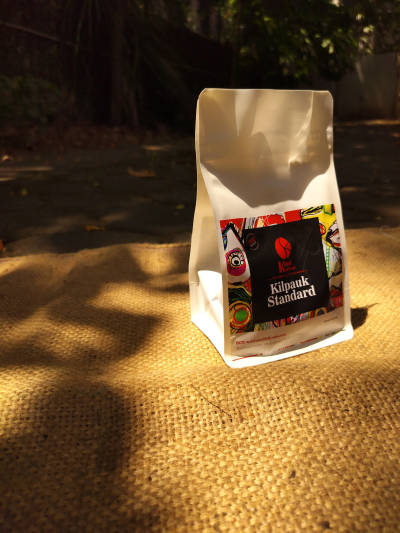
Grind size determines how fast water extracts from coffee — and for Indian specialty buyers, the standard per-method chart is a starting point, not a fixed answer. Thirty percent of ICB's catalog is light or light-medium roast, coffees that are denser and systematically underextract at standard chart settings. This reference covers the per-method calibration table, the Indian density adjustment, and how to read extraction feedback from the cup.

Brewing Behaviour
Why Your Specialty Coffee Tastes Flat (Common Extraction Issues)
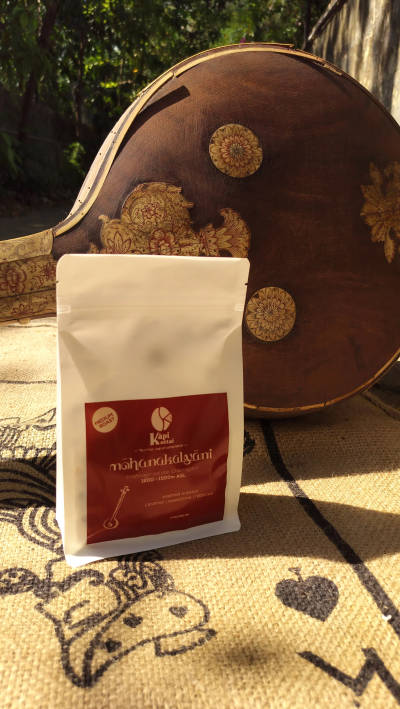
Specialty coffee that tastes flat, weak, or sourly thin is almost always an extraction problem — not a coffee quality problem. This guide covers the six most common causes, with particular attention to Indian variables: hard tap water, RO-stripped water, mixer-grinder use, and tropical storage conditions.
Questions about this coffee
Kapi Kottai's tasting notes for Kurinji lean toward Apple, Chocolate and Plum. Flavor is subjective and shifts with roast freshness, grind size, and brew method, so your cup may vary.
Kurinji is a blend, combining beans from more than one origin. Blends are built for a consistent, balanced cup across seasons.
Kurinji is suggested for Espresso and Iced Coffee. As a rule of thumb: espresso needs a fine grind, pour-over and drip a medium grind, and French press or cold brew a coarse grind. Dial in from there to taste.