

Full-bodied, clean, minimal sediment
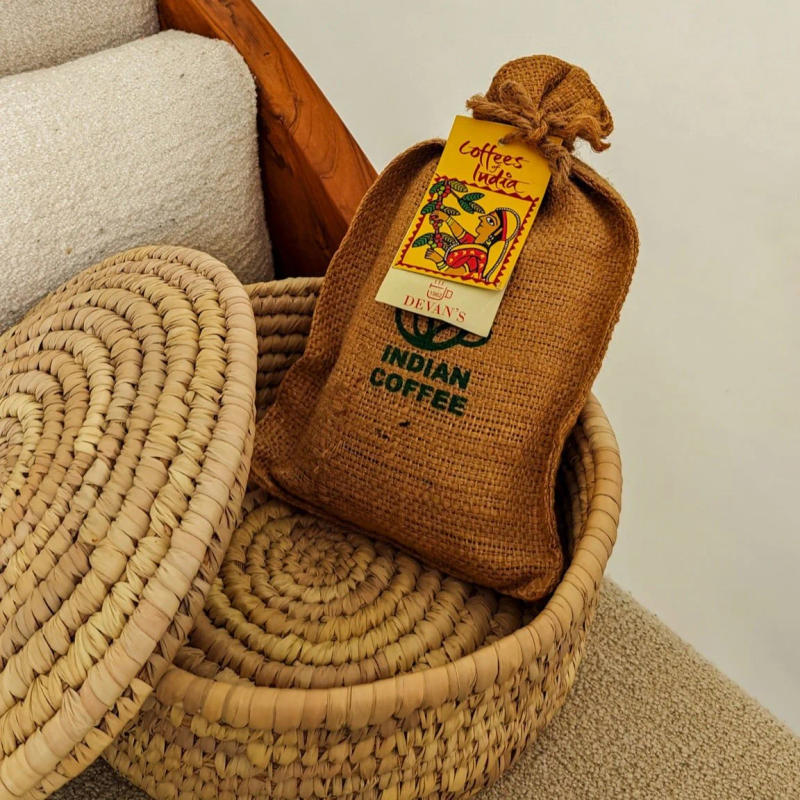


medium roast · other · Illubabor And Kaffa
Flavour
Origin and production
As described by Devan's
Good body and pleasant aroma with notes of fruit and cocoa. The aftertaste is reminiscent of cereals and has the slight astringency that characterizes this quality. Djimmah is grown in the Illubabor and Kaffa regions of Ethiopia at elevations from 4,400 to 6,000 feet above sea level within the biggest catchment area in Ethiopia, an area that produces and exports about 60,000 tons of coffee each year. Djimmah is also called Jimma Coffee. A unique coffee thought to be the variety closest in flavour to the original wild plant. This is an ideal climate and the plants are well protected by the larger forest trees which provide shade from the midday sun and preserve the moisture in the soil. Coffee from Ethiopia is known for its bright fruited and floral flavours. These coffees typically have a higher acidity, light to medium body, and complex flavour notes.
Brewing
Suggested for Aeropress, Coffee Filter, Cold Brew, Espresso, French Press, Moka Pot, South Indian Filter, Turkish.
Sweet, syrupy texture, complex acidity, citrus notes
Smooth, sweet, very low acidity, chocolatey
Pack sizes and price
Ratings
What drinkers say
With milk?
More from Devan's


Read about this

Brewing Behaviour
AeroPress with Indian Coffee: Recipes by Processing Method
Generic AeroPress recipes are optimized for bright, washed, light-roast coffees. Indian coffees — body-forward, chocolate-nutty, and increasingly fermented — extract differently. This guide provides starting recipes for washed, natural, and anaerobic Indian coffees, with adjustments for roast level and water conditions.

Brewing Behaviour
AeroPress Variables for Indian Washed vs Natural Coffees
Adjust AeroPress grind, temperature, time, and ratio for Indian washed and natural coffees. Data-backed starting recipes from 500+ coffees in the ICB directory.

Brewing Behaviour
Grind Size for Indian Coffee: How to Calibrate by Method and Roast
Grind size determines how fast water extracts from coffee — and for Indian specialty buyers, the standard per-method chart is a starting point, not a fixed answer. Thirty percent of ICB's catalog is light or light-medium roast, coffees that are denser and systematically underextract at standard chart settings. This reference covers the per-method calibration table, the Indian density adjustment, and how to read extraction feedback from the cup.
Questions about this coffee
Devan's's tasting notes for Ethiopian Djimmah Jasmine Coffee lean toward Cocoa and Fruit. Flavor is subjective and shifts with roast freshness, grind size, and brew method, so your cup may vary.
Ethiopian Djimmah Jasmine Coffee is a single-origin coffee, sourced from one origin rather than blended, so it reflects the character of that specific place.
Ethiopian Djimmah Jasmine Coffee is suggested for Aeropress, Coffee Filter, Cold Brew, Espresso, French Press, Moka Pot, South Indian Filter and Turkish. As a rule of thumb: espresso needs a fine grind, pour-over and drip a medium grind, and French press or cold brew a coarse grind. Dial in from there to taste.