

Short, dense and bittersweet with thick crema


Flavour
Origin and production
As described by Drum Coffee Roasters
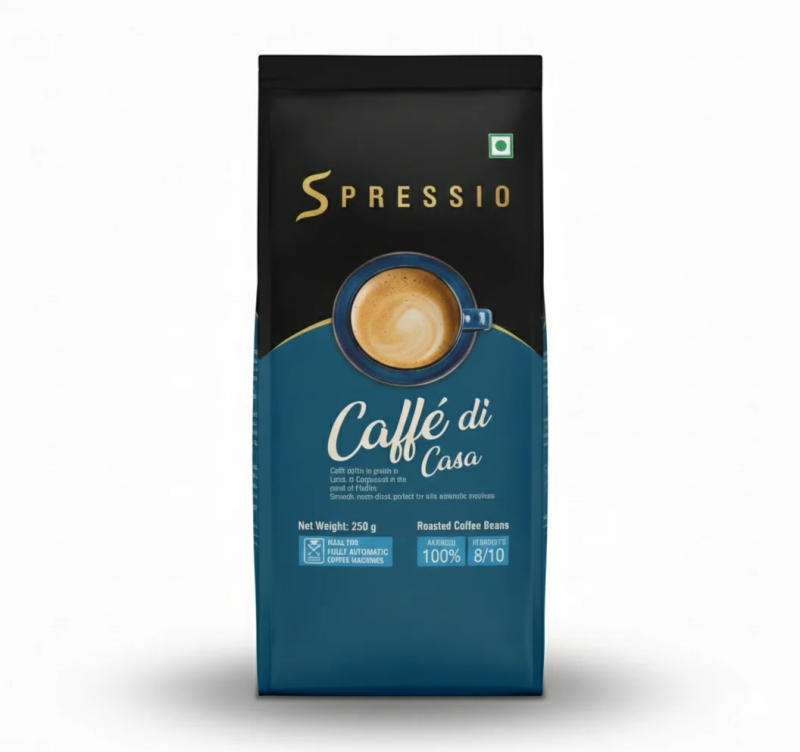
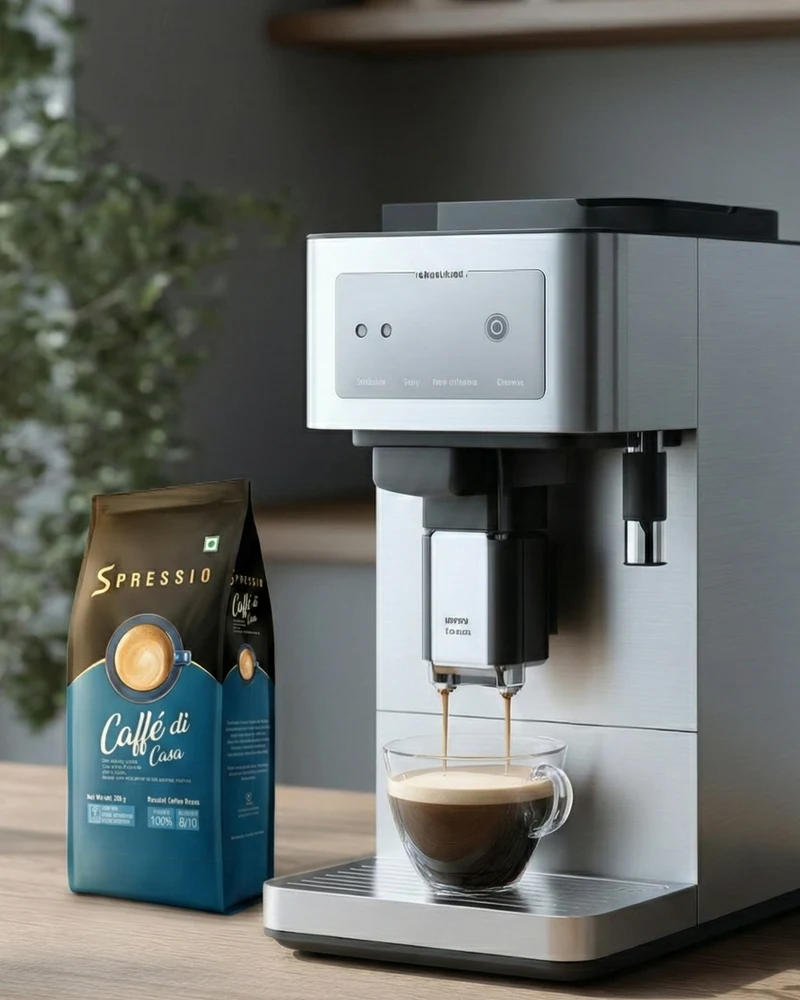
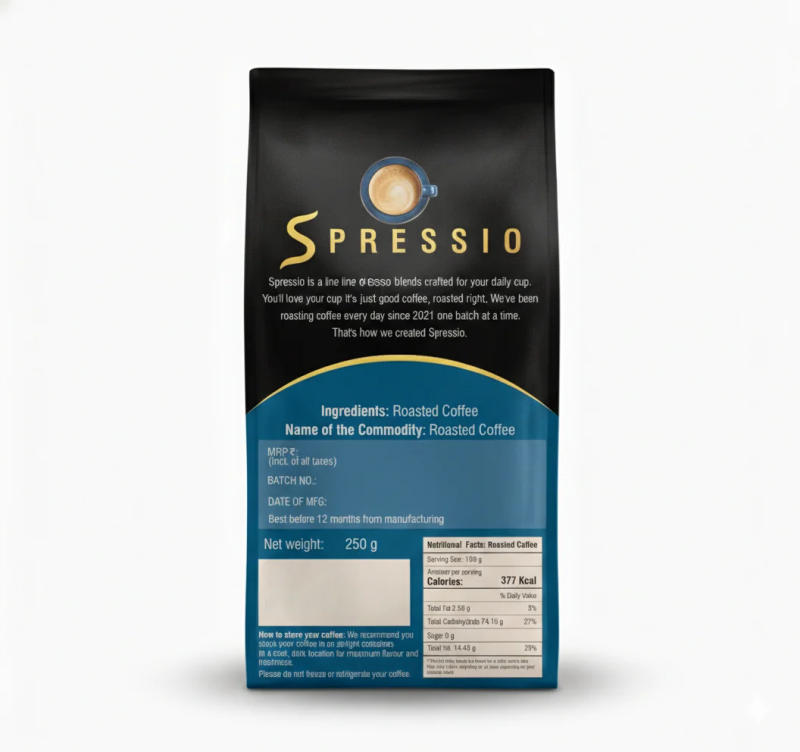
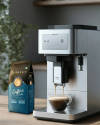
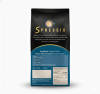
Caffè di Casa is our specially developed profile for fully automatic and bean-to-cup coffee machines. Created to simplify espresso at the press of a button, this blend offers smooth, consistent flavor with minimal need for adjustments or barista expertise. Crafted using medium-roasted Indian 100 % Arabica beans, for crema and strength. Caffè di Casa delivers a balanced, chocolatey cup with low acidity and a clean finish. Whether you're running a small office café, a corporate lounge, or a co-working space, this coffee ensures every cup tastes great—shot after shot. Designed for ease of extraction, Caffè di Casa flows well through grinders and performs reliably on both domestic and commercial automatic machines. The flavor holds steady even after a week of rest, making it ideal for large packs used across multiple setups. This is everyday espresso made easy—reliable, tasty, and approachable. Serve it as black coffee or with milk, and expect zero complaints.
Brewing
Suggested for Espresso. Works with milk (ICB's reading).
Pack sizes and price
Ratings
What drinkers say
With milk?
More from Drum Coffee Roasters

Read about this

Brewing Behaviour
Espresso at Home with Indian Coffees: Washed, Natural, and Blend Behaviour
Indian coffee has a reputation for espresso reliability — dense beans, low acidity, chocolate-forward profiles that extract cleanly under pressure. That reputation holds, but only for one part of the catalogue. Washed, natural, and blend coffees behave differently enough under 9 bar that a single dial-in recipe will work for some and fail for others in ways that are predictable, once the pattern is clear.

Brewing Behaviour
Grind Size for Indian Coffee: How to Calibrate by Method and Roast
Grind size determines how fast water extracts from coffee — and for Indian specialty buyers, the standard per-method chart is a starting point, not a fixed answer. Thirty percent of ICB's catalog is light or light-medium roast, coffees that are denser and systematically underextract at standard chart settings. This reference covers the per-method calibration table, the Indian density adjustment, and how to read extraction feedback from the cup.

Brewing Behaviour
Why Your Specialty Coffee Tastes Flat (Common Extraction Issues)
Specialty coffee that tastes flat, weak, or sourly thin is almost always an extraction problem — not a coffee quality problem. This guide covers the six most common causes, with particular attention to Indian variables: hard tap water, RO-stripped water, mixer-grinder use, and tropical storage conditions.
Questions about this coffee
Drum Coffee Roasters's tasting notes for Spressio Caffè Di Casa Dark Roast Coffee Beans, 100% Arabica lean toward Chocolatey. Flavor is subjective and shifts with roast freshness, grind size, and brew method, so your cup may vary.
Spressio Caffè Di Casa Dark Roast Coffee Beans, 100% Arabica is suggested for Espresso. As a rule of thumb: espresso needs a fine grind, pour-over and drip a medium grind, and French press or cold brew a coarse grind. Dial in from there to taste.