

Smooth, sweet, very low acidity, chocolatey
Flavour
Origin and production
As described by Gram Coffee Roasters
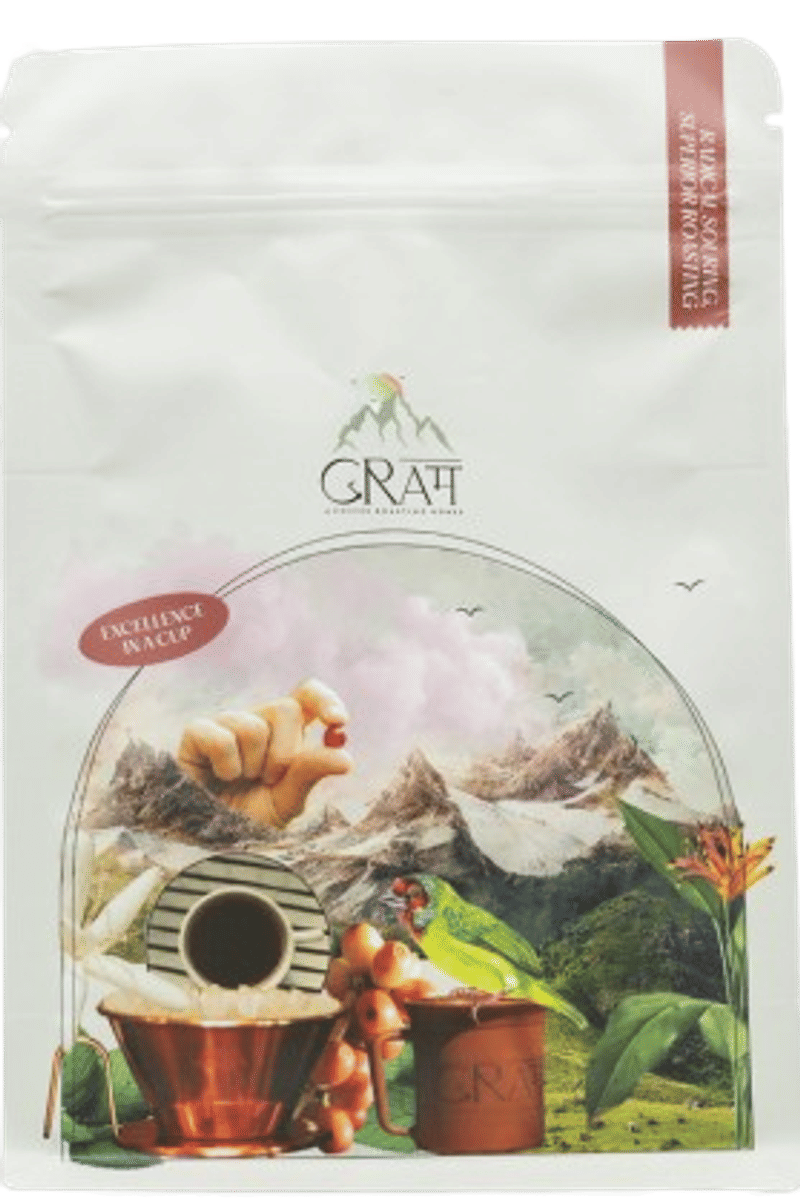
Crafted for slow extraction and refreshing cold brews, this coffee delivers a rich, full-bodied cup with layered sweetness and low acidity. Expect comforting notes of prunes, dried fruits, juicy raisins, and dark molasses, creating a smooth and syrupy finish that lingers beautifully. Whether enjoyed black over ice or blended into milk-based cold coffee drinks, this roast is designed to stay balanced, sweet, and flavorful from the first sip to the last.
Brewing
Suggested for Cold Brew. Works with milk (ICB's reading).
Pack sizes and price
Ratings
What drinkers say
With milk?
More from Gram Coffee Roasters
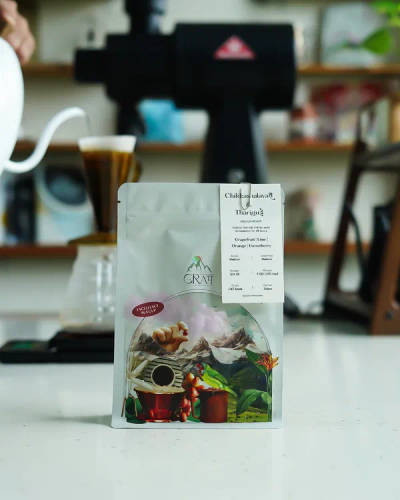
Chikkashalavara and Tharigudde Naturals Intenso
Unrated
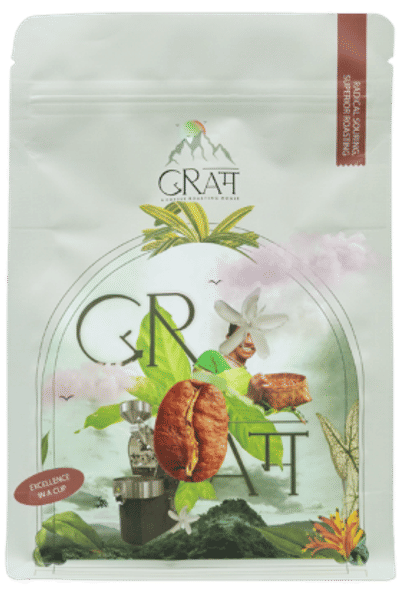
Ratnagiri
Unrated
Read about this

Brewing Behaviour
Cold Brew with Indian Coffees: Process and Roast Behaviour Patterns
Cold brew does not behave the same across all Indian coffees. Processing method and roast level each change what cold water extracts, and the dark-roast default that dominates popular guidance is not what extraction science supports. This is a behaviour guide for Indian specialty coffees specifically.

Brewing Behaviour
Grind Size for Indian Coffee: How to Calibrate by Method and Roast
Grind size determines how fast water extracts from coffee — and for Indian specialty buyers, the standard per-method chart is a starting point, not a fixed answer. Thirty percent of ICB's catalog is light or light-medium roast, coffees that are denser and systematically underextract at standard chart settings. This reference covers the per-method calibration table, the Indian density adjustment, and how to read extraction feedback from the cup.

Field Notes & Buying Guides
Storing Coffee Beans at Home in India: A Climate-Adjusted Guide
Standard coffee storage advice is written for temperate climates. Most Indian homes have different conditions — higher humidity, higher heat, and AC cycling — that accelerate staling and require a different approach. This guide covers the India-specific protocol: container choice, seasonal adjustments, multi-bag handling, and how to tell when coffee has already gone past its best.
Questions about this coffee
Gram Coffee Roasters's tasting notes for Cold Brew Mor lean toward Dried Fruits, Molasses, Prunes and Raisins. Flavor is subjective and shifts with roast freshness, grind size, and brew method, so your cup may vary.
Cold Brew Mor is suggested for Cold Brew. As a rule of thumb: espresso needs a fine grind, pour-over and drip a medium grind, and French press or cold brew a coarse grind. Dial in from there to taste.