|
ICB Fortnight 9 · 25 Jul 2026
What a 200g bag
actually
costs.
Hello,
Welcome to Fortnight 9. Someone on r/IndiaCoffee spent
the week telling roasters to quit selling 200g bags at
₹900 and up, and a hundred comments later the sub still
could not agree on whether that was fair. Half the
replies said they had switched to green tea over prices;
the other half said they had been paying ₹1,000 to
₹1,400 a kilo for years without a second thought.
So we ran the numbers across every active listing on the
directory, then ran them again on coffees sold in more
than one size. The pack size matters less than it looks,
and what is inside the small bags matters more.
Also in this issue: 127 new lots, a wishlist you asked
for, and 25 roasters quietly settling an argument about
monsooned Malabar. Hit reply any time.
|
|
|
From the Catalog
What the bag is
worth.
The median 200g bag on ICB works out to ₹438 per 100g. At 500g
and 1kg it is ₹240. Which reads as a brutal penalty for buying
small — except those rows are five different sets of coffees.
|
Pack
|
Listings
|
₹ / 100g
|
|
100g
|
111
|
₹500
|
|
200g
|
146
|
₹438
|
|
250g
|
921
|
₹280
|
|
500g
|
355
|
₹240
|
|
1kg
|
350
|
₹240
|
Run it again on coffees sold in more than one size, where the
only thing changing is the bag, and the discount shrinks hard:
6% going from 250g to 500g, 13% from 250g to a kilo, 15% from
200g to 500g. The bag is worth a tenth, not a half.
What separates ₹438 from ₹240 is what goes in it. Coffees that
stop at 250g run ₹344 per 100g and are 67% single origin;
coffees you can buy by the kilo run ₹235, and 47%. Small bags
hold the boutique single-estate lots. Kilos hold the house
blends. So ₹900 for 200g — ₹450 per 100g, against a 200g
median of ₹438 — is the going rate for that tier of coffee,
not a surcharge for the size.
Medians across active listings, one price per coffee per pack
size, subscriptions and bundles excluded. A snapshot, not a
trend.
|
|
Freshly Added
What's
New on
ICB
No new roasters joined the directory this fortnight. All the
movement was in coffee: 127 new lots, and most of them came
from a handful of roasters refreshing seasonal ranges at once.
The processing mix kept its experimental lean, with 17
anaerobic, 6 carbonic maceration, 5 experimental and 1
double-fermented lot arriving alongside 37 washed and 23
natural. Ratings ran at 18 for the fortnight, up from 6 the
time before.
|
91
Roasters
|
1,249
Coffees
|
226
Ratings
|
+127
New Coffees
|
Where the new lots came from
|
20 Bloom Coffee Roasters
18 Genetics Coffee
14 El Bueno Coffee
12 Nandan Coffee
9 Red Sirocco
9 Gram Coffee Roasters
|
|
|
Daily Driver
The one in the
argument.
The two bags the thread was actually arguing about, side by
side.

Devan's Monsooned Malabar AA
New Delhi · Medium roast · Arabica AA
₹220
/ 100g
₹550 / 250g · ₹1,100 /
500g
|
The cheaper cup, and the flatter deal: ₹220 per 100g
whether you buy 250g or 500g, so there is nothing to
gain by sizing up. Devan's has sold coffee in Delhi
since 1962, when D. Vasudevan left the Coffee Board of
India. One rating on ICB so far, at four stars.
Rate Devan’s →
|

Blue Tokai Monsoon Malabar AA
Hoysala Estate · Medium-dark · Single origin
₹280
/ 100g
₹700 / 250g · ₹2,380 /
1kg
|
The one that started the thread, and a rare case where
the bag really does pay: ₹280 per 100g at 250g falls to
₹238 by the kilo, a 15% cut. Roasted darker than the
Devan’s, single estate rather than a graded lot. No
ratings on ICB yet.
Rate Blue Tokai →
|
Both are monsooned arabica; both are medium or darker; neither
is the other's substitute. And they are 2 of 30 monsooned lots
on ICB, from 25 roasters.
|
|
Busiest This Fortnight
Roaster
Spotlight.
|
Bloom Coffee Roasters
Bhopal, Madhya Pradesh
Bloom added 20 new lots this fortnight, more than any
other roaster on the directory. They work out of Bhopal,
a long way from the southern growing belt, and run
wholesale-first: 150-plus outlets supplied, with barista
training alongside the beans. Small batches, lighter
profiles, and an unusual willingness to put serious
effort into robusta rather than treating it as filler.
Explore Bloom's coffees →
|
|
|
r/IndiaCoffee
From the
Community.
|
Quit selling 200gm beans at 900+
173 upvotes, 100 comments, and an upvote ratio of 0.5,
which means the sub split almost exactly down the middle
on whether the complaint was fair. Some commenters said
they had moved to green tea over prices; others said
they had been buying at ₹1,000 to ₹1,400 a kilo for five
years without complaint. The section further up is our
attempt to answer it with the catalog rather than with
opinions, and the answer is not quite what either side
was arguing.
|
|
Blue Tokai's Monsooned Malabar, for espresso
Posted as a flat claim that nothing else comes close for
traditional milk-based espresso: medium-dark, chocolate
and nut, heavy crema. The first reply counter-nominated
Devan's, and the thread became a two-horse race. Worth
noting that ICB lists monsooned lots from 25 different
roasters, so there are 23 other entries in that
argument. Both contenders are on the directory: Blue
Tokai's Monsoon Malabar AA from Hoysala Estate, and
Devan's Monsooned Malabar Arabica AA.
|
|
|
Curated Picks
Worth
Reading.
|
Blue Tokai enters the Middle East
World Coffee Portal, 14 July. Blue Tokai signed a master
franchise agreement with Dubai-based Ambrosia Gulf,
making the Gulf its second overseas market after Japan
in 2024. It remains the only Indian specialty roaster
running cafés abroad at any scale.
|
|
|
Off the Press
New on the
Field Guide.
Processing & Flavors
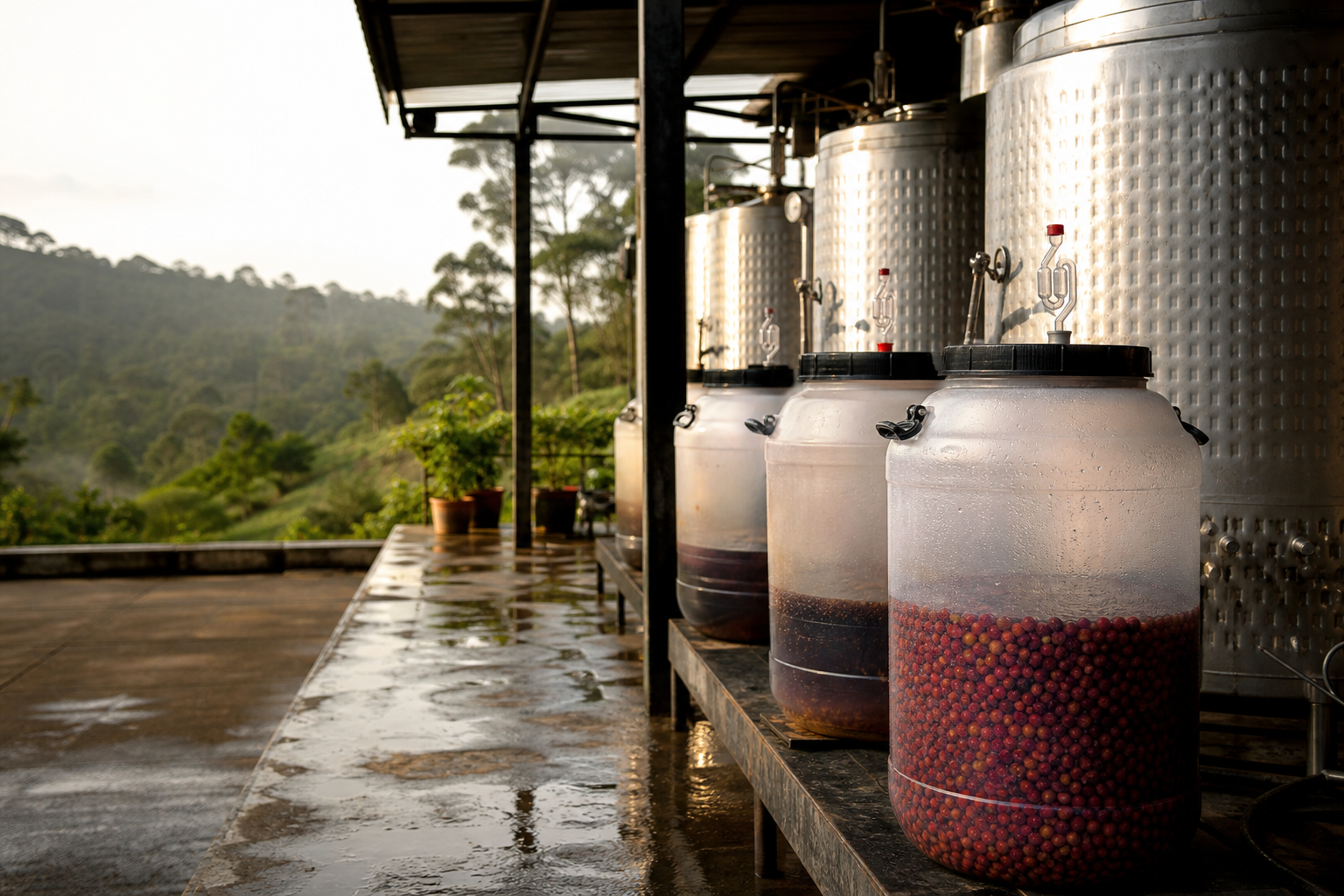
Anaerobic and Experimental Processing in Indian Coffee
One in five coffees in the catalog now carries an experimental
process tag, and 29 of this fortnight's 127 arrivals were
anaerobic, carbonic maceration, experimental or
double-fermented. This is the reference guide to what
separates the four, which Indian estates produce them, and
what the data says about their flavour patterns.
Processing & Flavors
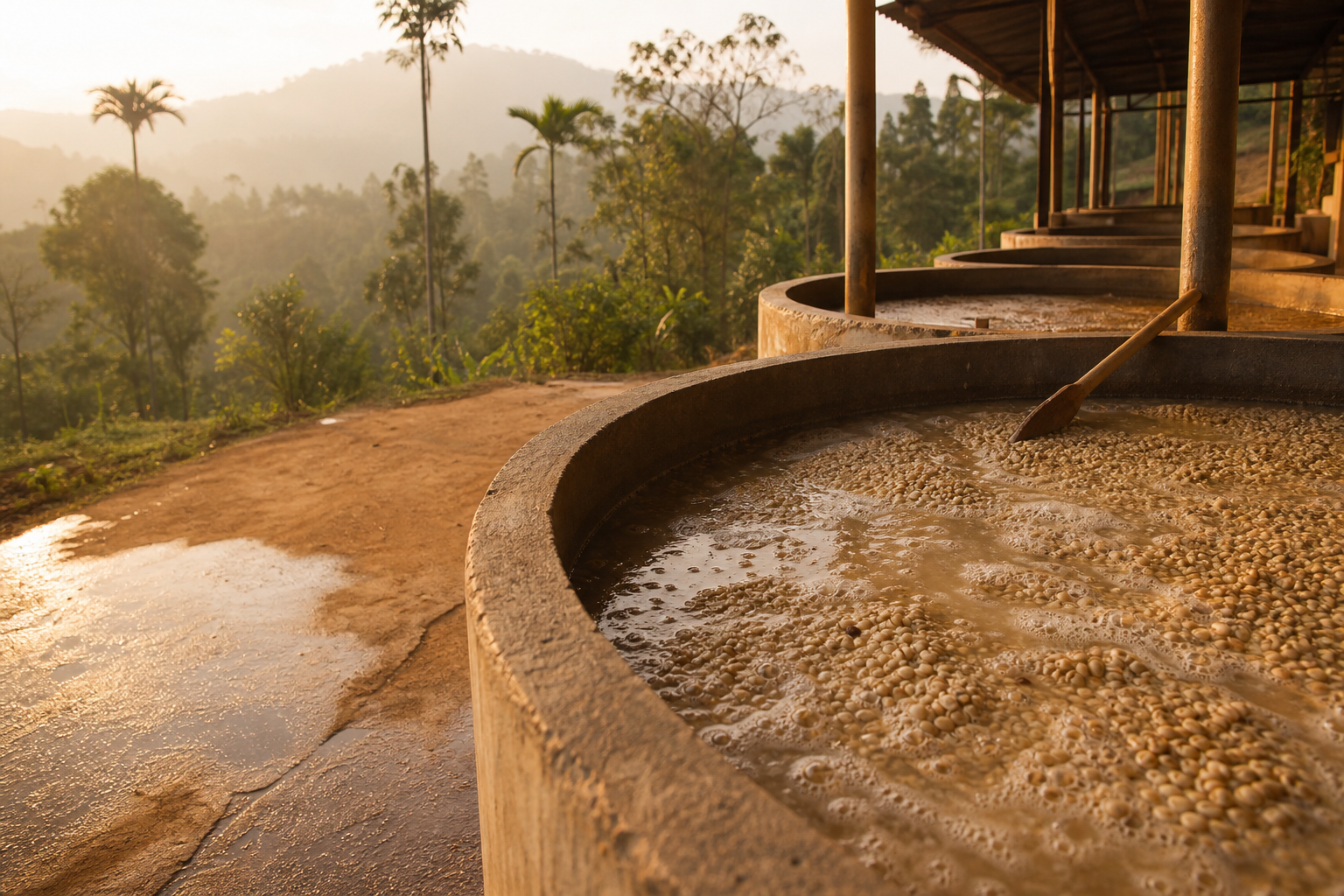
How Fermentation Shapes Coffee Flavour
Every coffee ferments; the variable is how. Why one
estate can produce both a clean chocolate cup and a
grape-forward lot from the same harvest.
|
Origins & Estates
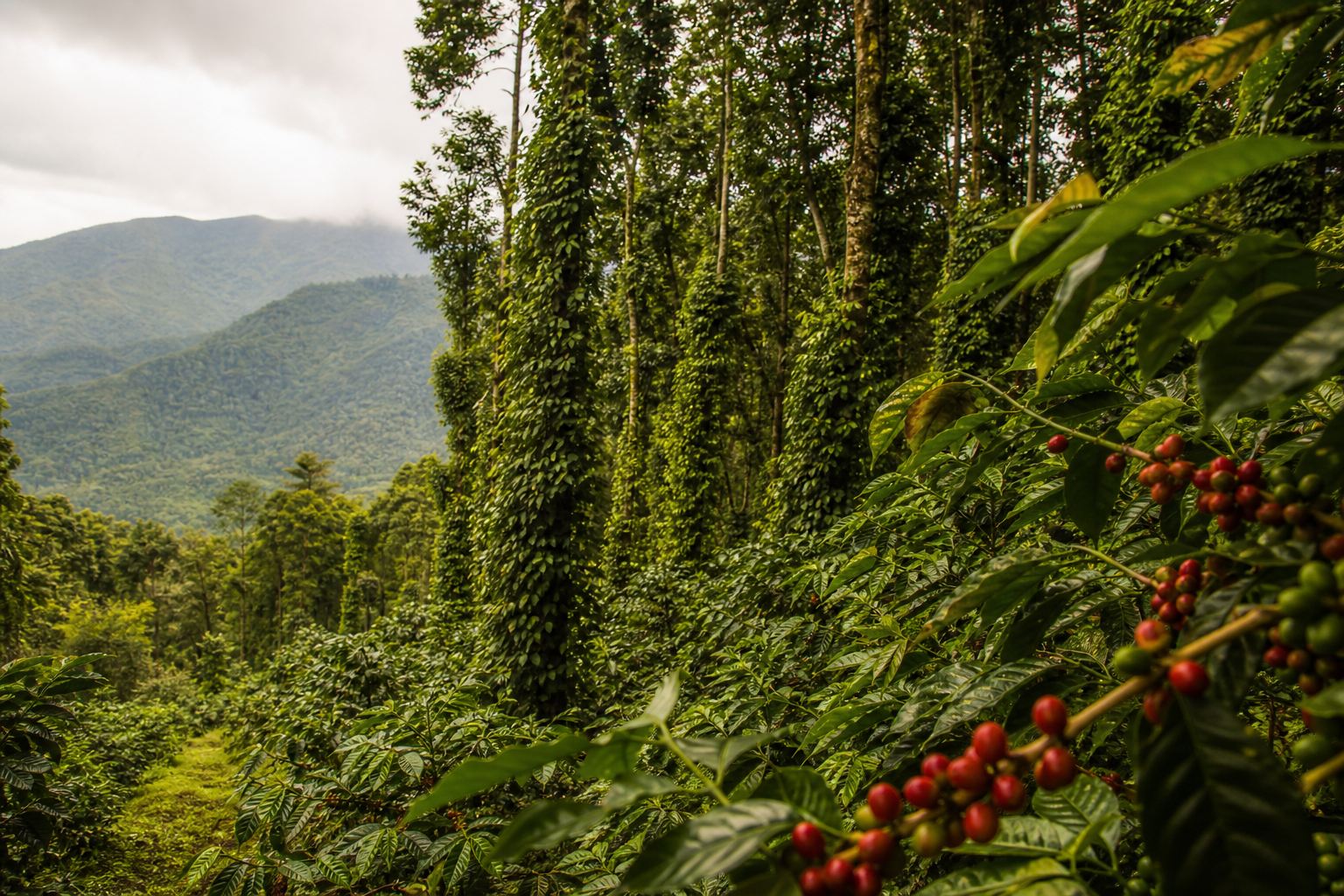
Wayanad Coffee: Regional Characteristics
One of India's largest coffee regions by area, and among
the least engaged by specialty. Two crops, two markets:
GI-tagged robusta at scale, and an arabica tier emerging
higher up.
|
|
|
Product Update
New on ICB:
Wishlist.
There is now a heart icon on every coffee image and coffee
page. Click it and the coffee saves to a wishlist in your
profile, so the bag you meant to try in three months is still
there when you come back to it. Given the arithmetic higher up
this email, it is a reasonable way to sit on something until a
larger pack size or a restock shows up.
Thanks to Digant Patil, a signed-up ICB user, who suggested
it. If something on the directory is missing or awkward, reply
and say so — that is how this one got built.
|
|
Question for you
|
At what price per 100g do you stop buying a bag, and has
that number moved for you this year?
A hundred comments argued about ₹900 for 200g without
ever agreeing where the ceiling sits. Hit reply with
your number. We read every one, and if enough of you
answer we will put the spread in the next issue.
|
|
|
Share the Coffee
Love.
Know someone curious about Indian specialty coffee? Forward
this along.
|
|
|
|


