


Your First Bag of Indian Specialty Coffee: What to Look For, What to Expect
Buying your first bag of Indian specialty coffee involves a different set of choices than picking up instant or ordering a café drink. The bag itself carries more information than most buyers know how to use — and the buying process, storage conditions, and even what counts as a good first experience all work differently than the global coffee content you've likely read.

The standard approach to a first specialty coffee purchase: pick something that sounds good, buy it, see what happens. It works fine for instant, where every tin is the same. It works less well here, because the bag on a specialty coffee is a reference document — and most first-time buyers don't know how to read it.
What follows is a guide to using that document. Five label elements tell you what's in the bag before you open it. The Indian market has structural quirks that affect freshness and format. Price correlates less with taste quality than with how much sourcing information the roaster has. Storage in India's climate requires specific steps that most general coffee advice skips. And a first bag that doesn't taste right is usually a mismatch, not a defect.
For guidance on choosing between coffees based on flavor preference, that's covered separately in choosing which coffee to buy based on flavor preference.
What the Bag Is Telling You
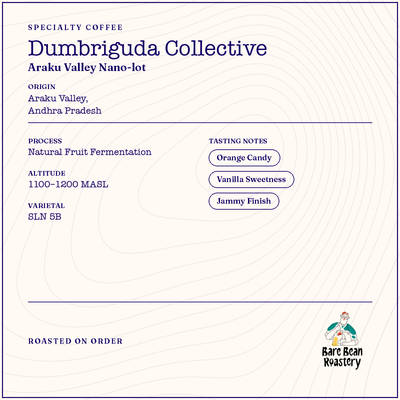
A well-labeled specialty coffee bag carries five elements worth reading. The rest is marketing copy or decorative design.
Roast date
The roast date is when the coffee was roasted — not a best-by or expiry date. It's the primary freshness indicator. Specialty coffee is at its best between 7 and 21 days after roasting for filter brewing methods. A roaster who prints the roast date treats freshness as something they're accountable for. In India's specialty market, most roasters roast to order, so the date on the bag reflects when that specific batch was made.
Origin or estate
This tells you where the coffee was grown. "Chikmagalur" is a region. "Attikan Estate, Biligiriranga Hills" is more specific — a geographic anchor that indicates estate-level sourcing. Not all bags disclose the estate; many show only the region. The amount of origin detail on the label is roughly proportional to how much traceability the roaster has invested in. Indian coffee-growing regions like Chikmagalur, Coorg, Araku, and the Nilgiris each produce coffees with distinct characteristics shaped by altitude, soil, and processing traditions.
Processing method
The processing method describes how the coffee cherry's fruit layer was removed from the bean after harvest. It's the most reliable predictor of cup character — more consistent than roast level, which varies in interpretation across roasters. The four methods you'll encounter most on Indian specialty bags are covered in the next section.
Roast level
Light, light-medium, medium, medium-dark, dark. Lighter roasts preserve more of the coffee's original flavor character — the region, variety, and processing method come through more clearly. Darker roasts introduce roasting-driven flavors: chocolate, smoke, caramel, body. This is a spectrum, not a quality ranking. There is no universal standard for what "medium" means across roasters.
Based on ICB's catalog of over 1,000 in-stock Indian specialty coffees, roast levels spread fairly evenly across light, light-medium, medium, medium-dark, and dark — with the medium range carrying the largest share. The market has not skewed toward lighter roasts as strongly as global specialty content might suggest.
Flavor notes
Flavor notes are reference descriptors for the aromatic compounds in the coffee. A bag that says "blueberry, jasmine, brown sugar" does not contain those ingredients. The notes suggest a direction — what the coffee resembles in aromatic and taste characteristics — not a literal guarantee. They're useful for comparison between coffees, not as a promise of what you'll taste.
Not all Indian coffee bags disclose all five elements. A bag showing only region and roast level is not necessarily inferior coffee — but it gives you less to work with. More label information generally indicates a roaster who invests in sourcing traceability and freshness accountability.
A "best by" date is not the same as a roast date. Best-by dates are typically set 6–12 months after roasting and don't tell you when the coffee was actually roasted. If the bag shows only a best-by date, the freshness timeline is unknown. Look for "Roasted on" or "Roast date" explicitly.
How the Indian Specialty Coffee Market Works
Most Indian specialty coffee is sold directly by roasters through their own websites, not in retail stores. This is the structural norm, not an exception — and it matters for freshness. The majority of roasters in ICB's catalog operate on a roast-to-order model: small batches on fixed days each week, shipped within 24–72 hours of roasting. In major metro cities, delivery typically adds 2–4 days in transit; smaller cities may add another 2–3 days. A bag arriving in Mumbai or Delhi from a Bangalore roaster is likely 3–7 days post-roast — well within the optimal freshness window for filter brewing.
A few notes for buying online:
- Most roasters ship pan-India. Free shipping thresholds are common at Rs 500–800.
- 250g is the standard specialty coffee unit. 1kg options exist but are intended for buyers who already know what they like.
- Sampler packs — 3–6 coffees in 75–100g portions — are offered by several Indian roasters and reduce the risk of committing to a full bag before you've found a profile that works.
- Pour sachets (pre-ground coffee in disposable drip-bag filters) are available from a few roasters and require no equipment — only hot water and a cup. Useful for a first taste before buying a 250g bag or any brewing device.
For a first purchase, a sampler pack is a lower-commitment format than a single 250g bag. It lets you taste a range of profiles — different roast levels, processing methods, regions — before settling on what to buy regularly.
Process as a Flavor Predictor
The processing method is the most useful label element for predicting cup character. It's more consistent as a predictor than roast level because roasters calibrate roast terminology differently — but the flavor implications of washed vs. natural processing are relatively stable across producers. Four methods appear on most Indian specialty bags.
Washed (wet processed)
The cherry's fruit is removed before the bean is dried. This produces cleaner, brighter cups with more distinct acidity. Because the fruit layer isn't present during drying, the coffee's origin character — where it was grown, the variety — comes through most transparently. In India, most Chikmagalur and Coorg estate coffees are washed. Flavor profiles typically show chocolate, stone fruit, or citrus. Among the more approachable entry points for buyers accustomed to clean-tasting beverages.
Natural (dry processed)
The cherry is dried whole before the fruit is removed. This produces fruitier, heavier-bodied cups — notes ranging from berry and stone fruit to wine-like or jammy fermentation character. The flavor is more intense than washed. Chikmagalur naturals commonly show stone fruit; Araku Valley naturals often lean floral. There's higher variation batch to batch compared to washed coffees, and the fermentation-forward character can be surprising for buyers not expecting it.
Honey processed
A middle-ground method: some fruit mucilage is left on the bean during drying. Results in more sweetness and body than a washed coffee, without the full fermentation character of a natural. Honey-processed coffees are growing in Indian specialty production. A useful middle option for buyers who find washed coffees too clean and naturals too intense.
Monsooned (Malabar)
Uniquely Indian. Green beans from the Malabar coast are exposed to monsoon winds for 3–4 months. The beans absorb moisture and swell, transforming the flavor profile toward low acidity, heavy body, and earthy, spicy, malty characteristics. This is India's most internationally recognized coffee processing method — present on roaster menus worldwide — but it's a distinct category, not contemporary Indian specialty. Beginners who research Indian coffee online often encounter Monsoon Malabar first. It is not representative of what most Indian specialty roasters are offering today.
Four in ten coffees in the Indian specialty catalog carry no process label. When a bag does name the process, that information is worth using — a substantial portion of the market still doesn't offer it.
What Price Tells You (and What It Doesn't)
Price in Indian specialty coffee correlates more reliably with sourcing specificity and label information density than with taste quality. A Rs 400 coffee and a Rs 900 coffee may both taste excellent; the difference is typically in how much you know about what you're buying.
The tiers below reflect current pricing across major Indian specialty roasters (250g bags, 2026):
Entry — Rs 350 to 480
Blends or accessible single origins from established Indian regions, with limited estate disclosure. Medium to medium-dark roast is most common at this tier. Labels often show region and roast level but may not name the estate, variety, or altitude. A practical first purchase — it removes variables and lets you identify your preferred roast level and process category before spending more.
Mid — Rs 500 to 750
Single-origin coffees with estate-level sourcing. Labels at this tier typically show estate, region, altitude, variety, and processing method. Light to medium roast is more common. Higher flavor transparency and full sourcing traceability. Appropriate for a second or third purchase once you have a reference point.
The Rs 500–750 tier is where label information density shifts most visibly — from regional attribution to estate-level sourcing detail. It's the price point where "Chikmagalur coffee" becomes "Attikan Estate, Biligiriranga Hills, SL-795, washed." That shift in specificity is what you're paying for.
Premium — Rs 800 to 1,200
Micro-lots, limited harvests, or experimental processing methods (anaerobic, carbonic maceration, double-fermented). Highest label information density — many of these bags resemble technical data sheets. Often lighter roasts. Intended for buyers who have enough reference experience to use the detail the label provides. Not a practical first-bag choice.
Rare — Rs 1,200 and above
Specialty varieties (Gesha, unusual cultivars), unique processing experiments, or very small harvests. Specialist audience.
The entry tier is a practical first purchase — not because the coffee is lower quality, but because it reduces the number of variables. Once you've established whether you prefer clean or fruity, light or medium roast, you have better information for choosing at higher tiers. Starting with a premium micro-lot introduces too many unknowns at once.
Matching the Coffee to What You Already Have
The coffee you buy should match how you plan to brew it — or more practically, what you already own.
South Indian filter (traditional brass or steel)
Works well with medium or medium-dark roast coffees, washed or natural process. The extended decoction process — steeping ground coffee in hot water for 15–30 minutes — extracts more from the bean than faster methods. Light roasts can taste under-developed or flat in this setup. If you're transitioning from a traditional chicory-blend decoction to specialty beans, starting with a medium-dark specialty coffee in the same device is a more gradual shift than going straight to a light roast.
Browse coffees listed for South Indian filter brewing in the ICB catalog. Only a small share of in-stock coffees are explicitly tagged for this device — far fewer than pour-over or espresso. That gap reflects the primary audience specialty roasters write their labels for, not the actual compatibility of the coffees. Medium and medium-dark washed or natural coffees from any region tend to work well in the filter regardless of what the bag says.
French press or moka pot
Medium roast, washed or natural process. Both devices handle body-forward coffees well. Naturals — with their heavier body and fruit character — perform particularly well in French press. Moka pot suits medium-dark roasts with chocolatey or nutty profiles.
Pour-over (V60, Chemex, Kalita)
The widest compatibility range. Washed, light-medium to medium roast coffees show their character most clearly in pour-over. Most directly comparable to café-style specialty coffee. Browse medium roast, washed coffees in the ICB catalog as a starting reference.
No device
Pour sachets (pre-ground coffee in disposable drip-bag filters) are available from several Indian roasters and require only hot water and a cup. No grinder, no device. Useful for a first taste of specialty coffee before committing to any equipment.
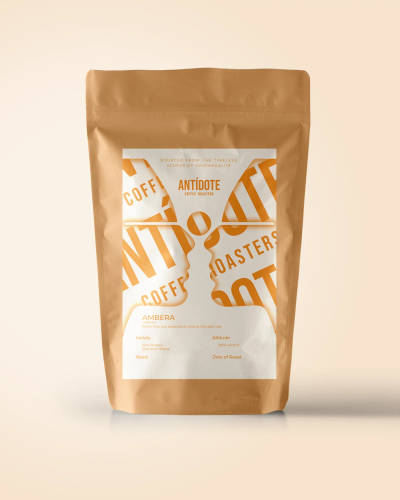
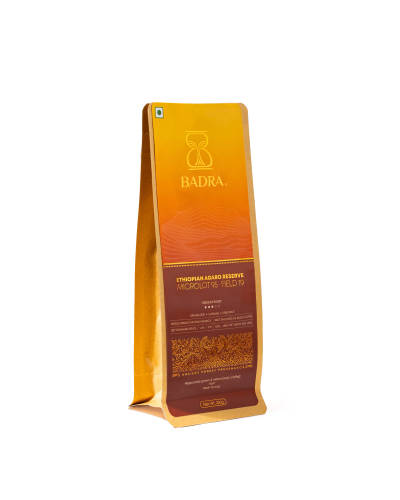
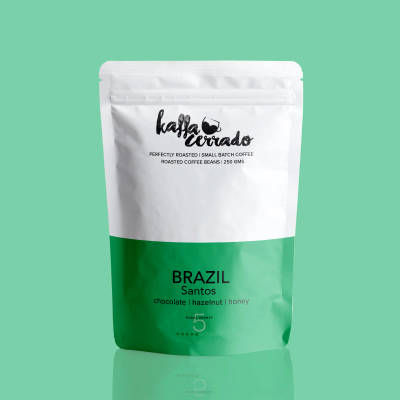
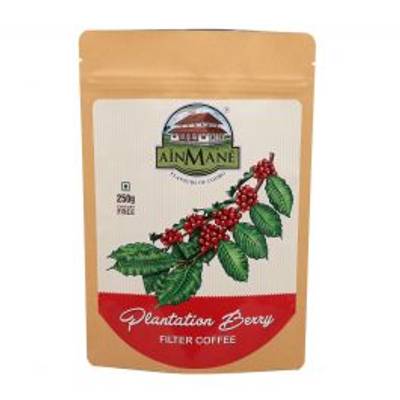
Beginner-Friendly Coffees to Start With

Storing Coffee in India's Climate
Most coffee storage advice is written for temperate climates: a cool, dark pantry with moderate humidity and stable temperatures. Indian home conditions differ in ways that matter for freshness.
Humidity
India's coastal cities — Mumbai, Chennai, Kochi, Kolkata — sustain 70–90% relative humidity for much of the year, higher during monsoon months. Above 60% relative humidity, coffee bean flavor degrades more rapidly and mold risk increases. The zip-lock bag the coffee came in is not adequate once opened.
Temperature
Summer months push indoor temperatures above 35°C in non-air-conditioned spaces across much of India. Heat accelerates oxidation — the primary process responsible for coffee going stale. There is no "cool pantry" assumption that applies to most Indian kitchens from March through June.
Temperature cycling
Even with AC, switching it on and off creates temperature swings that produce condensation inside containers. Each cycle introduces a small amount of moisture into whatever is holding the coffee.
What to do in Indian conditions:
- Transfer opened coffee to an airtight, opaque container — not the zip bag it came in
- During monsoon months, place a silica gel desiccant packet inside the container
- If you use AC, store the coffee in the AC room rather than the kitchen
- Buy 250g at a time and aim to finish within 2–3 weeks of opening
- Whole bean stays fresh significantly longer than pre-ground — this gap is larger in humid climates, where ground coffee absorbs moisture and kitchen odors from the air within days
Do not store coffee in the refrigerator. As the door opens and closes, temperature cycling causes condensation inside the bag or container. Refrigerators also expose coffee to food odors — coffee readily absorbs surrounding smells, and the result degrades flavor rapidly. The freezer is acceptable only for long-term storage of unopened, vacuum-sealed bags that won't be reopened until needed. For the 2–3 week consumption window that fits a fresh 250g bag, freezer storage is unnecessary.
If the First Bag Doesn't Taste Right
A first bag that doesn't taste right is usually a mismatch, not a quality problem.
Roast level mismatch
If your reference point is South Indian filter coffee or café lattes, light roast specialty coffee will taste unfamiliar — thin, bright, sometimes sharply acidic. This is an expected result of the roast level, not poor quality. Medium or medium-dark roast specialty coffees are closer in body and darkness to what most Indian coffee drinkers are accustomed to. A disappointing light roast is often useful information: try a medium roast next with the same brewing setup.
Most specialty coffee content online — reviews, brewing tutorials, YouTube guides — is produced for audiences already accustomed to light roasts. A first-time buyer reading those resources before their first purchase gets an expectation baseline that doesn't match where most Indian buyers are actually starting from.
Brewing variable mismatch
The same coffee brewed too hot, too fine, or with too long a contact time becomes bitter or harsh. Too coarse a grind, too short a brew, or too cool water produces flat or sour results. These are brewing variables — adjustable — not fixed qualities of the coffee.
Flavor note expectations
A bag that says "blueberry, jasmine, brown sugar" rarely produces those flavors as distinct, recognizable tastes. If the coffee tasted like none of those reference points, the coffee is likely fine. Flavor notes are directional descriptors, not ingredients.
When transitioning from darker commercial roasts to specialty coffee, a reliable starting point is: medium roast, washed process, from a documented Chikmagalur or Coorg estate. Brew in whatever device you already have. Adjust from that reference point rather than beginning with the most experimental coffee available.
References
- National Coffee Association — Coffee Storage and Shelf Life
- Polygon Group — The Importance of Humidity Control in Coffee Storage Facilities
- Crockett Coffee — Climate Control: The Effect of Temperature and Humidity on Coffee
Related
- Browse coffees suited for South Indian filter brewing
- Browse medium roast, washed coffees
- Explore Indian coffee-growing regions
Narrative framework: tension_arc
Citations: 3 external references (NCA, Polygon Group, Crockett Coffee) for storage facts; ICB internal data for catalog statistics